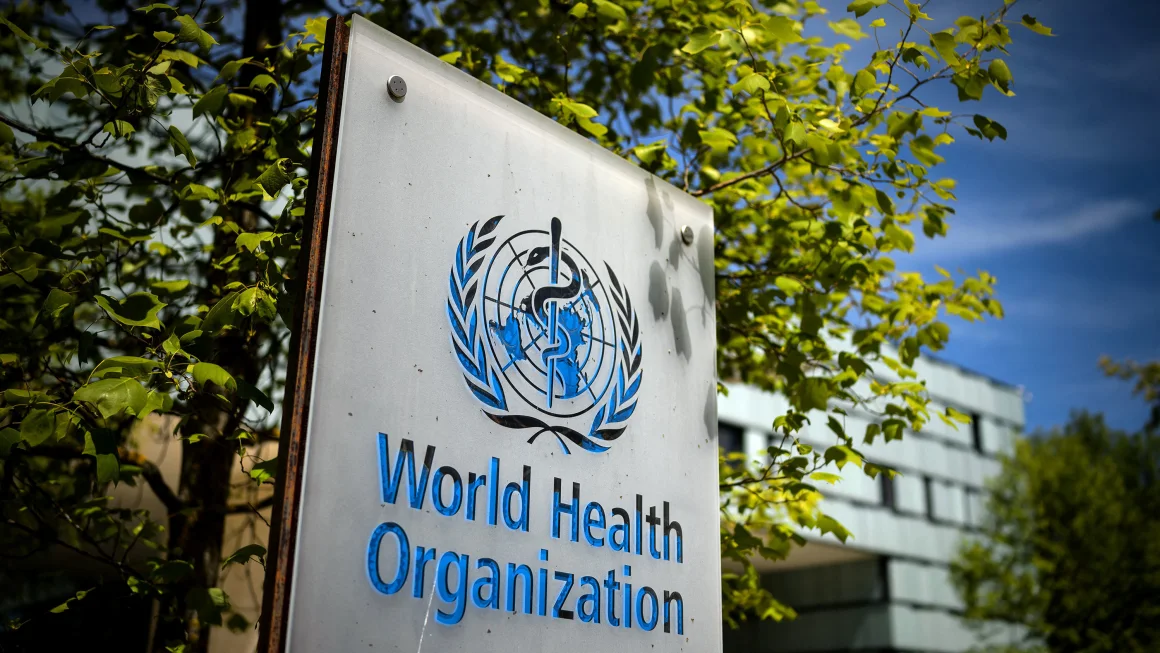
The World Health Organisation (WHO) has issued new guidance to help governments and event organisers prevent and respond to heat-related illnesses during major sporting, religious and cultural gatherings.
The organisation, in a statement on Wednesday, said the guidance was developed in response to evidence indicating that most heat-related illnesses at mass gatherings could be prevented or managed at event venues through timely risk assessment, adequate preparation and effective response measures.
“A WHO evidence review covering studies published between 1980 and 2025 documented nearly 500,000 medical encounters at mass gatherings, including more than 22,000 heat-related illnesses. The review found that more than 90 per cent of patients can be treated at event venues when on-site medical systems are well organised, reducing pressure on local hospitals and ambulance services,” it said.
The Executive Director, WHO Health Emergencies Programme, Dr Chikwe Ihekweazu, described extreme heat as a growing threat to public health, safety and the smooth operation of mass gatherings.
Ihekweazu said heat should be treated not only as an environmental concern but also as an operational and governance issue requiring regular assessment, preparedness and coordinated response.
He noted that heat-related deaths had risen by an estimated 63 per cent since the 1990s, with an average of 546,000 deaths recorded annually between 2012 and 2021.
“Mass gatherings can increase heat risks through prolonged outdoor exposure, dense crowds, limited access to safe water, travel-related stress and unfamiliarity with local climatic conditions. Increasing demands on health services during major events can further compound the risks associated with extreme heat and delay access to appropriate medical care,” he said.
The WHO official said findings from the Intergovernmental Panel on Climate Change showed that hot extremes, including heatwaves, had become more frequent and intense across most land regions since the 1950s, largely as a result of climate change.
According to him, the frequency and intensity of extreme heat are expected to rise further with each additional increase in global warming.
Ihekweazu said the new resources, titled Prevention and management of heat-related illness at mass gatherings, were developed from systematic reviews and lessons drawn from mass gathering events around the world.
“The new resources are based on systematic reviews and lessons learned from mass gathering events worldwide. The guidance recommends accessible safe drinking water and toilets, cooling infrastructure, schedule adjustments and effective crowd-flow management to reduce heat-related health risks,” Ihekweazu said.
He also recommended measures to protect workers, strengthen public communication, conduct real-time health surveillance and ensure the availability of properly equipped on-site medical services as part of event preparedness.
The WHO official said the guidance takes a whole-of-event approach, recognising that factors such as venue design, transportation, security, communication, water supply and sanitation could affect access to cooling facilities and medical assistance.
“The guidance covers the full event cycle and is designed to complement national heat-health action plans, occupational health and safety requirements, emergency preparedness arrangements and clinical guidance,” he said.
He urged governments, event organisers and other stakeholders to incorporate heat-risk management into health planning, preparedness and operational arrangements for mass gatherings globally.
We’ve got the edge. Get real-time reports, breaking scoops, and exclusive angles delivered straight to your phone. Don’t settle for stale news. Join THISTIMES on WhatsApp for 24/7 updates →
Join Our WhatsApp Channel