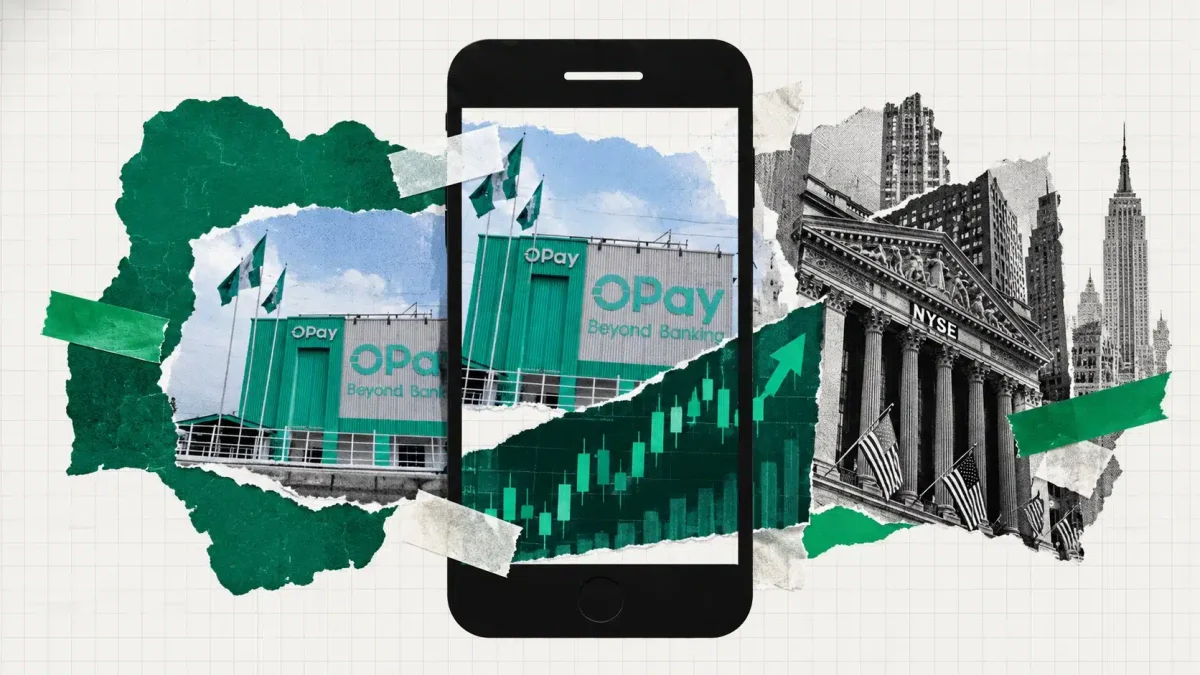
OPay Digital Services Limited, one of Nigeria’s leading financial technology companies, has come under scrutiny following revelations that it incurred regulatory penalties reportedly totalling ₦994 million between 2023 and 2025 over breaches of banking, anti-money laundering, data protection and corporate regulations.
The sanctions, disclosed in reports on the company’s audited financial statements, were imposed by four regulatory agencies, including the Central Bank of Nigeria (CBN), Nigeria Data Protection Commission (NDPC), Advertising Regulatory Council of Nigeria (ARCON) and Corporate Affairs Commission (CAC).
The penalties cover violations of several regulatory provisions, raising questions about the company’s compliance procedures and internal controls.
Money Laundering, Gross Financial Malfeasance
Among the regulations breached were provisions of the Banks and Other Financial Institutions Act (BOFIA) 2020, the CBN Anti-Money Laundering, Combating the Financing of Terrorism and Countering Proliferation Financing Regulations 2022, the Customer Due Diligence Regulations 2023 and the Consumer Protection Regulations 2019.
Politics Nigeria learnt OPay’s regulatory troubles date back to 2023, when the CBN imposed a ₦26 million fine on the company for breaches of anti-money laundering and counter-terrorism financing requirements.
The following year, the company faced another ₦113.7 million penalty for violations involving the same regulatory framework.
Further sanctions followed in 2024, with the apex bank imposing a ₦197 million fine for infractions under BOFIA 2020.
OPay also incurred a ₦10 million penalty for non-compliance with customer due diligence requirements and an additional ₦2 million for breaches of the CBN’s consumer protection regulations.
The company’s compliance problems extended beyond banking regulations.
The Nigeria Data Protection Commission imposed a ₦125 million fine on OPay over violations of the Nigeria Data Protection Act 2023, which governs the collection, processing and protection of personal information.
Similarly, the Advertising Regulatory Council of Nigeria sanctioned the company with a ₦7 million fine for advertising-related infractions.
The Corporate Affairs Commission also imposed a ₦1 million penalty for violations of provisions of the Companies and Allied Matters Act.
However, the company’s biggest single regulatory sanction came in 2025, when the CBN imposed a ₦464 million fine for breaches of the Framework for Mobile Money Services in Nigeria 2021.
The penalty represented nearly half of the ₦994 million cumulative sanctions reported against the financial services provider.
Although the aggregate penalties have been reported as ₦994 million, the individual sanctions identified in the disclosures amount to ₦945.7 million, leaving a difference of ₦48.3 million that has not been reconciled in the published breakdown.
The recurring violations have placed OPay’s compliance framework under scrutiny, particularly in areas involving customer identification, transaction monitoring, financial crime prevention and protection of personal data.
Anti-money laundering and customer due diligence regulations require financial institutions to verify customer identities, maintain transaction records and implement systems designed to identify suspicious financial activities.
Sanctions come amidst IPO
Violations of these regulatory requirements do not, by themselves, establish that a financial institution participated in money laundering or terrorism financing. The sanctions come at a particularly sensitive period for OPay, which recently abandoned plans to raise $304 million through an initial public offering on the New York Stock Exchange.
The fintech company had proposed selling 16 million American Depositary Shares at $19 each, in a transaction expected to value the business at approximately $4 billion.
However, on October 30, 2026, OPay announced that it had reached a mutual agreement with its underwriters to terminate the proposed offering following a regulatory inquiry in an undisclosed foreign jurisdiction.
The decision came barely 24 hours after the company signed its underwriting agreement on October 29.
OPay did not disclose the foreign regulator involved or the nature of the inquiry, and no direct connection has been established between that investigation and the regulatory penalties incurred in Nigeria.
The withdrawal prevented the company’s shares from commencing trading on the New York Stock Exchange as originally scheduled.