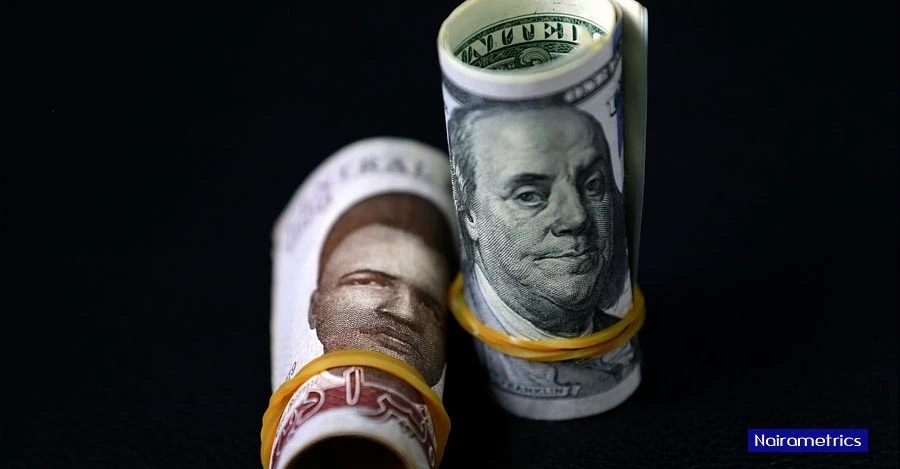
The Nigerian foreign money confirmed power within the official foreign money market however remained lukewarm within the black market following the CBN’s rate of interest hike.
FMDQ information confirmed the native foreign money strengthened to N1,659.44/$ on Tuesday from N1,675.62/$ on Monday.
The naira settled at N1,750/$ on Wednesday morning within the unofficial market in Nigeria’s main cities.
The CBN raised the Financial Coverage Fee to curb hovering inflation and improve the naira’s stability.
The Financial Coverage Committee (MPC) unanimously elevated the MPR by 25 foundation factors, from 27.25 per cent to 27.50 per cent. The Nigerian apex {bank} additionally saved the Money Reserve Ratio (CRR) at 50 per cent for Deposit Cash Banks and 16 per cent for Service provider Banks.
In response to CBN chief Yemi Cardoso, the CBN has at all times prioritized preserving the naira’s stability. He emphasised the significance of making an surroundings that’s favorable for funding and {economic} planning.
“The Nigerian Central {Bank} exists to take care of stability,” he said. “Stability facilitates {economic} planning. We make each effort to make use of all of the assets at our disposal, which embrace a number of instruments similar to penalizing people who behave poorly, together with a wide range of different measures to ensure stability.”
The CBN governor claimed that the naira has remained secure since June 2024, regardless of strain factors from each home inflationary tendencies and worldwide {economic} uncertainties.
The US greenback distorted the naira’s dynamics and the worldwide foreign money market on Tuesday after President-elect Donald Trump introduced on social media that his administration would impose a 25 per cent extra tariff on Canadian and Mexican imports, including 10 per cent to the 60 per cent tariff on Chinese language items that he had already introduced throughout his marketing campaign.
Fed officers’ remarks additionally revealed disagreement amongst decision-makers concerning the tempo of future charge reductions.
Regardless of some issues about sticky inflation, the Fed’s November assembly minutes confirmed that members supported the gradual easing of rates of interest.


