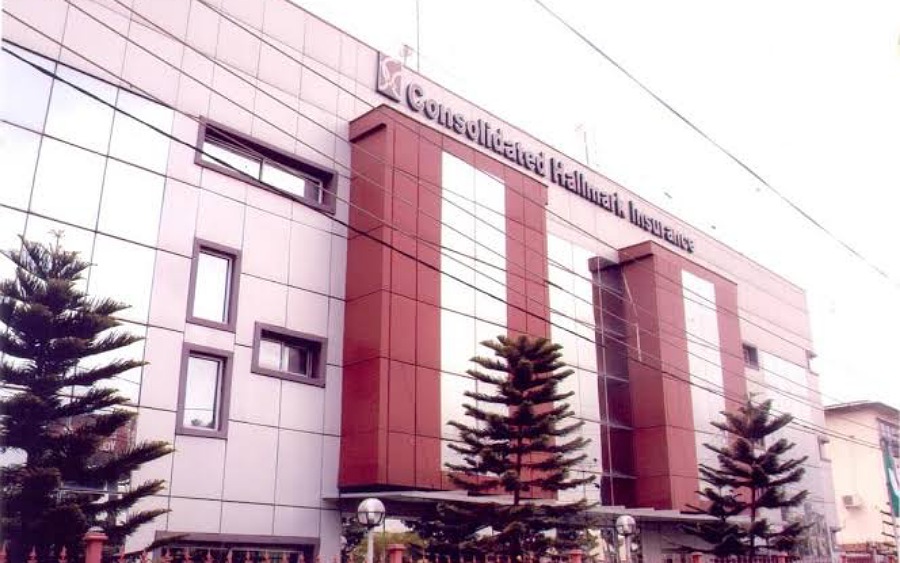
Shares of Consolidated Hallmark Insurance coverage Restricted have climbed greater than 20% week-to-date 5 days into December, bringing year-to-date efficiency to 67%.
This enhance follows the corporate’s announcement of efficiently finishing its re-registration with the Company Affairs Fee (CAC) as a restricted legal responsibility firm.
The announcement made public on November 13, 2024, by a press launch on the Nigerian Alternate (NGX) disclosure web page, revealed that the corporate would now function beneath the title Consolidated Hallmark Insurance coverage Restricted.
The information seems to have sparked renewed investor curiosity, with shares steadily recovering from a low of N1.30 in July and now crossing the N2.30 barrier.
Within the early days of December, the inventory skilled an almost 20% enhance week-to-date, signaling a shift in sentiment following the corporate’s restructuring efforts.
Consolidated Hallmark Insurance coverage started the yr with a share worth of N1.47, and a stable market quantity of 259 million shares, ending January in optimistic territory.
One of many possible drivers behind the current bullish sentiment surrounding Consolidated Hallmark Insurance coverage is the corporate’s sturdy {financial} efficiency for the interval ending September 30, 2024.
In one other vital transfer, on November 14, Consolidated Hallmark Insurance coverage formally transitioned from a Public Restricted Legal responsibility Firm to a Restricted Legal responsibility Firm, adopting the brand new title ‘Consolidated Hallmark Insurance coverage Restricted’.
This rebranding is a part of a broader restructuring technique geared toward reworking it right into a holding firm.
In accordance with a press launch by Consolidated: ‘’The completion of this transition signifies the finalization of all formalities associated to the restructure, positioning the agency to learn from enhanced operational flexibility and lowered regulatory and compliance burdens.’’


