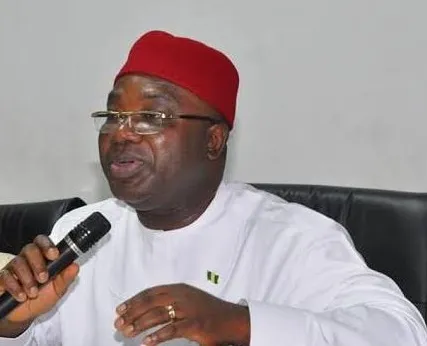
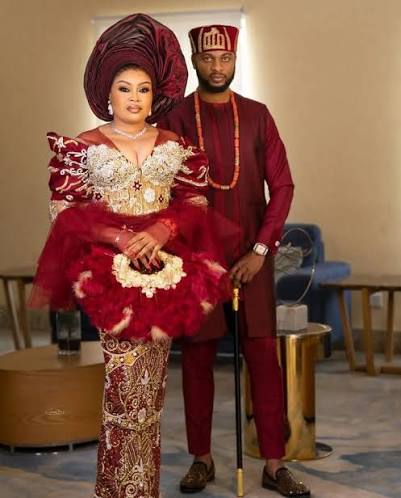
Uzee Usman is one of the few actors seamlessly bridging the worlds of Kannywood and Nollywood, earning respect for his versatility, depth, and commitment to authentic storytelling. From his early days rooted in northern cinema to making waves on broader national screens, he has grown into a dynamic actor and producer. In this interview with SAMUEL ABULUDE, he opens up about his journey, creative process, and vision for the future of the Nigerian film industry.
You’ve built a strong presence in both Kannywood and Nollywood. What initially drew you to these industries, and how has your love for them evolved over time?
Honestly, it started from pure passion. Growing up, I was fascinated by storytelling, how a simple story could move people, make them laugh, cry, or even change their perspective. Kannywood was my first home; it felt close to my roots, my language, my culture. Nollywood came later, and it opened my eyes to a broader audience and stronger possibilities. Over time, my love has matured. It’s no longer just about acting; it’s about impact, legacy, and telling stories that matter.
Kannywood and Nollywood have distinct styles and audiences. How do you navigate and balance both worlds as an actor and producer?
It’s like being bilingual; you learn to switch naturally. Kannywood requires a certain cultural sensitivity and storytelling style, while Nollywood is more diverse and experimental. I respect both spaces deeply. When I’m on set, I fully immerse myself in that world. As a producer, I also try to create content that can travel, stories that feel local but connect globally.
What inspired your latest project, MAFARKI, and what message are you hoping viewers take away from the series?
MAFARKI, which means “dreams,” came from a very personal place. It’s about ambition, struggle, and the reality of chasing your dreams in a society that doesn’t always support you. I wanted to tell a story that young people can see themselves in. The message is simple: your dreams are valid, but they require sacrifice, patience, and resilience.
Can you share some of the challenges you faced while producing MAFARKI, and how you overcame them?
Plenty of challenges, funding, logistics, and even weather at some point. But the biggest one was balancing quality with limited resources. We had a vision, and we didn’t want to compromise it. What helped was having a dedicated team that believed in the project as much as I did. We got creative, stayed disciplined, and pushed through every obstacle.
In your view, how has Kannywood grown over the years, especially in terms of storytelling and production quality?
The growth has been impressive. We’ve moved from very traditional storytelling to more dynamic, layered narratives. Production quality has improved with better cameras, better editing, and better sound. There’s still room for growth, but the industry is evolving, and people are starting to pay attention beyond the North.
Nollywood is gaining global recognition. Where do you see Kannywood fitting into that international growth?
Kannywood has a unique voice, and that’s our strength. The world is curious about authentic stories, and we have plenty of them. I see Kannywood becoming a major contributor to that global expansion, especially if we continue to improve quality and make our stories accessible through subtitles and wider distribution.
As someone deeply involved in the industry, what changes would you like to see in terms of collaboration between Kannywood and Nollywood?
More intentional collaboration. Not just actors crossing over, but joint productions, shared investments, and creative partnerships. There’s so much we can learn from each other. When we combine our strengths, we can create something truly powerful that represents Nigeria as a whole.
What role do you think the government should play in supporting the film industry, particularly in northern Nigeria?
The government, especially the northern governors, has a huge role to play in funding, infrastructure, training, and policies that protect intellectual property. The film industry is a goldmine for job creation and cultural export. If properly supported, especially in northern Nigeria, it can empower thousands of young people and boost the economy.
Many young actors look up to you. What advice would you give to upcoming talents trying to break into Kannywood or Nollywood?
Stay consistent and keep learning. Talent is important, but discipline and patience are what will keep you going. Don’t rush fame, focus on your craft. Also, be professional. Your attitude can open doors just as much as your talent.
What are your long-term goals for your career, and how do you plan to contribute to the continued growth of the Nigerian film industry?
I want to build a legacy that goes beyond acting, producing impactful films, mentoring young talents, and creating platforms for new voices. I also want to tell African stories on a global scale. For me, it’s about leaving the industry better than I found it.
We’ve got the edge. Get real-time reports, breaking scoops, and exclusive angles delivered straight to your phone. Don’t settle for stale news. Join THISTIMES on WhatsApp for 24/7 updates →
Join Our WhatsApp Channel