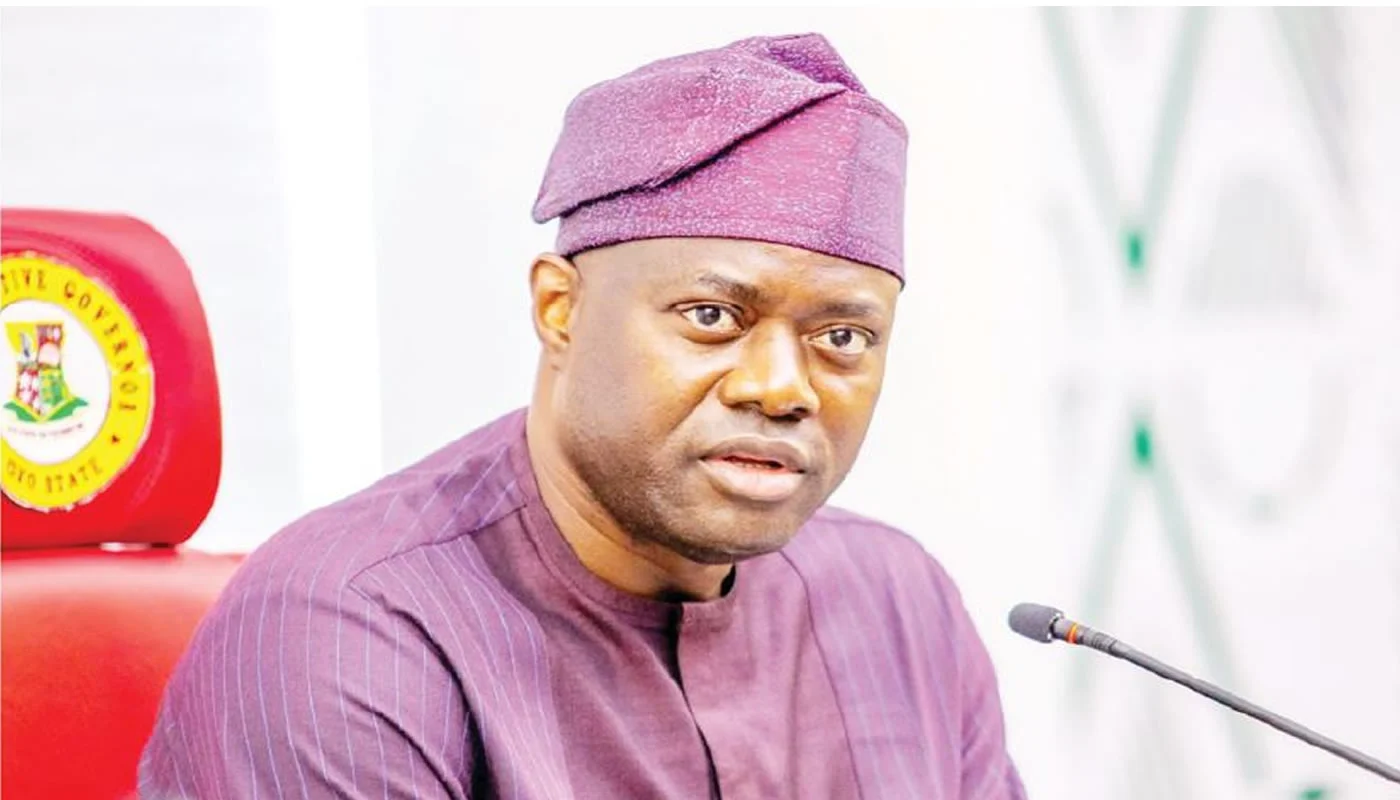
…Governor’s visible delivery reshapes 2027 calculus as federal lawmakers fade from view
Days after a keenly contested primaries returned Rev. Fr. Dr. Hyacinth Iormem Alia as the APC governorship candidate for Benue State in 2027, the political atmosphere remains very calm.
This absence of protest is not apathy. It reflects a growing public confidence that governance is being delivered. For those familiar with the terrain, one will agree that Benue primaries are traditionally acrimonious, with divisions that often persist into general elections. This year’s APC contest featured the usual allegations and last-minute negotiations. Yet the anticipated post-primary unrest did not materialize.
From the Market traders in Wurukum and farmers in Buruku to Okada riders in Otukpo, the reason is not far fetched. It is attributable to the visible results. Results like schools, roads, salaries and pensions. The sentiment is widespread. This is a clear signal thats in Benue politics, performance is beginning to supersede patronage.
This creates a stark paradox. Benue has three senators, eleven members of the House of Representatives, and several federal appointees. Together, they control access to federal constituency projects, employment slots, and intervention funds. Yet to many residents, their impact in the last few years is very negligible.
The widow in Otukpo knows little or nothing about federal palliatives, a graduate in Katsina-Ala has no knowledge of federal employment.
This should not be the case and in other climes, it is not.
The best of governance seen by the people is their Governor, His Excellency, Rev. Fr. Dr. Hyacinth Iormem Alia. The man has maintained a high public profile, building classrooms, ensuring timely payment of teachers, launching the BRACE-UP programme to reduce out-of-school children, and clearing pension arrears dating back several years. For an electorate weary of representatives who appear only during campaigns, the contrast is clear. The governor has become the most visible symbol of government presence.
The perception is grounded in measurable outcomes:
Education: Tuition-free basic education from Primary One to Nine; 9,700 teachers recruited; ₦75,000 minimum wage implemented for teachers; 422 classrooms constructed; 36 libraries established; 207,422 textbooks distributed.
Civil Service: All salary and pension arrears cleared; monthly payments regularized; outstanding promotions approved. In a state where civil servants previously endured months of unpaid wages, this has restored confidence.
Infrastructure and Agriculture: Rural roads rehabilitated; agricultural inputs distributed; school farm programmes reactivated. The governor’s clerical background continues to provide moral authority in a state where religious institutions remain influential.
Security: While insecurity remains a national concern, structured engagement with community leaders and security agencies, procurement of vehicles and motorbikes, and a host of other measures have reduced the politicization of security responses.
The dynamic mirrors national trends. When President Bola Ahmed Tinubu secured the APC presidential ticket in 2022, delegates prioritized his record of governance in Lagos over endorsements from sitting governors. Similarly, Governor Alia is viewed less as the candidate of the political establishment and more as the choice of citizens who have witnessed his administration’s work without reliance on federal allocations.
A second term for Alia is being framed as a mandate for consolidation. The first term focused on foundational work — debt reduction, systems restoration, and rebuilding public trust. A second term would prioritize scale: expanding BRACE-UP to eliminate out-of-school children, completing rural road networks, attracting agro-industrial investment, prioritizing healthcare and improving the state’s competitiveness.
For residents, this translates to fewer unmet commitments and more tangible development. For a state that has often felt neglected by both state and federal structures, this shift is significant.
The prevailing calm, however, is tenuous. Should the Benue National Assembly caucus and federal appointees remain detached from development efforts, public discontent will likely increase. The question being asked is direct: Why elect representatives to Abuja if only the governor delivers?
In Benue, the party’s fortunes in 2027 will rise or fall on one man’s record, not on the strength of its federal appointees. The Benue masses are not naive. They know politics is messy. But they also know performance when they see it. In the aftermath of a stormy primary, the calm is not accidental. It is a verdict: Rev. Fr. Hyacinth Alia has earned the benefit of the doubt. For the first time in a long while, Benue people feel their government truly belongs to them.
– Chief Solomon Iorpev is the Technical Adviser to the Governor of Benue State on Media, Publicity and Strategic Communication.
We’ve got the edge. Get real-time reports, breaking scoops, and exclusive angles delivered straight to your phone. Don’t settle for stale news. Join THISTIMES on WhatsApp for 24/7 updates →
Join Our WhatsApp Channel