Pharmaceutical experts have warned that Nigeria’s rising dependence on imported medicines poses a growing threat to national health security, calling for urgent executive reforms and stronger policy implementation to prevent a deepening crisis.
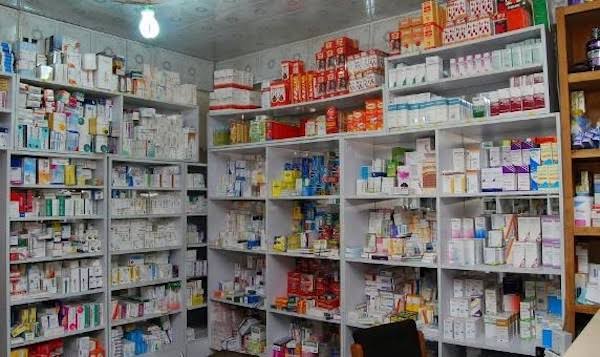
At the 29th annual national conference of the Association of Industrial Pharmacists of Nigeria (NAIP), United States–based pharmaceutical scientist and quality strategist, Dr Nonye Onyewuenyi and former president of the Pharmaceutical Society of Nigeria (PSN), Mazi Sam Ohuabunwa, said the country’s 70 per cent drug import leaves it dangerously exposed to external shocks, global supply disruptions and fluctuating foreign exchange conditions.
They cautioned that failure to act now could lead to medicine shortages, inflated drug prices, and weakened emergency response capacity in future outbreaks or pandemics.
Onyewuenyi, in her keynote address, described Nigeria’s situation as a health security emergency requiring immediate and coordinated intervention at the highest levels of government.
She noted that, despite having the natural resources and skilled workforce to produce essential medicines, the country continues to rely heavily on foreign manufacturers due to weak policy implementation, inconsistent regulatory frameworks, and insufficient investment in pharmaceutical innovation.
“It is unacceptable for a nation of over 200 million people with more than 200 registered pharmaceutical firms still to import over 70 per cent of its drugs,” she stressed.
She called on the federal government to accelerate funding and implementation of the Presidential Initiative for Unlocking the Healthcare Value Chain (PVAC) and the Renewed Hope Agenda, stressing that national health security cannot be built on policy announcements but on practical, measurable execution.
Ohuabunwa, speaking during an Executive Training Session, linked Nigeria’s health security risks to poor leadership culture within the pharmaceutical industry.
He argued that without disciplined, data-driven management across manufacturing, supply chain operations, and quality control systems, local firms will remain too weak to meet national demand during crises.
Reacting to the presentations, NAIP National Chairman, Pharm. Bankole Ezebuiro described the experts’ insights as a wake-up call for policymakers. He said the association would push aggressively for the implementation of the proposed reforms to safeguard Nigeria’s health security.
The experts maintained that unless Nigeria strengthens its pharmaceutical manufacturing capacity, the country will remain vulnerable in times of global crisis, unable to ensure the availability, quality, and affordability of medicines for its population.
We’ve got the edge. Get real-time reports, breaking scoops, and exclusive angles delivered straight to your phone. Don’t settle for stale news. Join THISTIMES on WhatsApp for 24/7 updates →
Join Our WhatsApp Channel