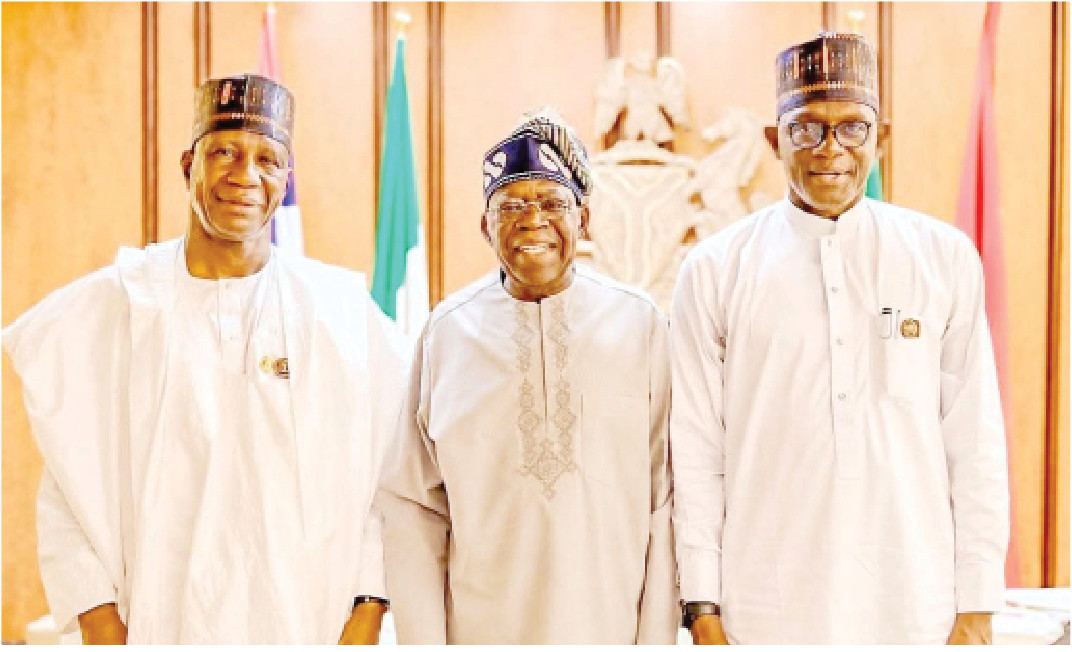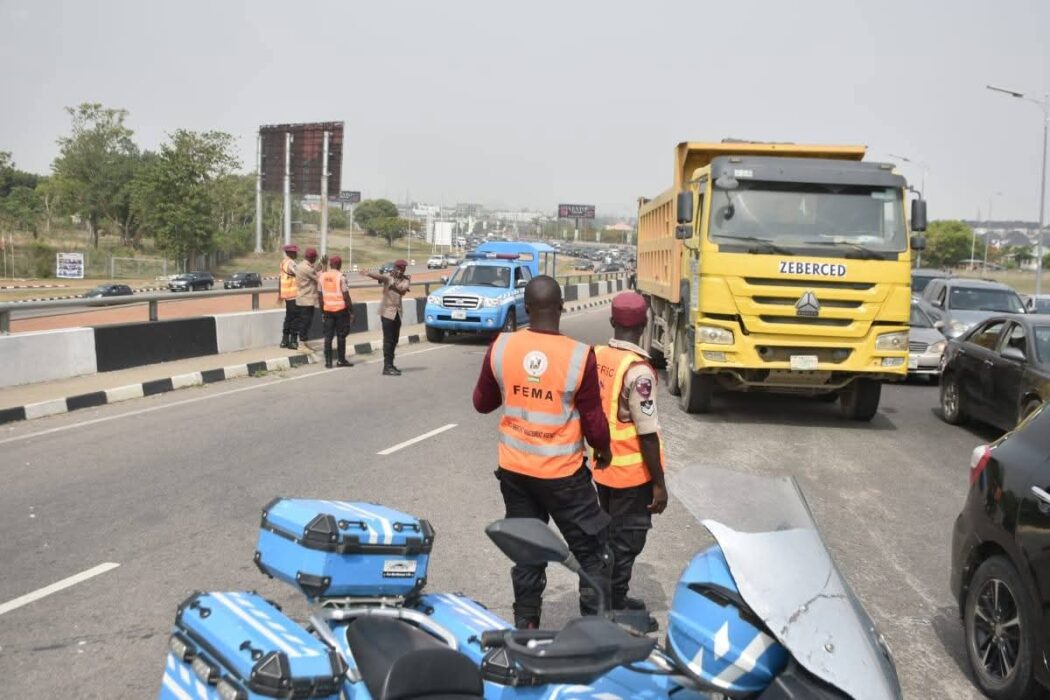
The Federal Road Safety Corps (FRSC) and the Road Accident Prevention Network Centre (RAPNEC) Nigeria have called for stronger collaboration among stakeholders to improve pedestrian and cyclist safety in the Federal Capital Territory (FCT) and the country at large.
The call was made during a stakeholders’ engagement on the Mobility Snapshot Project and pedestrian safety held at the FRSC Headquarters in Abuja.
At the event, the FCT sector commander of the FRSC, Corps Commander Tijani Eliassu, represented by deputy corps commander, Blessing Okoro, head of the Motor Vehicle Administration Department, reaffirmed the corps’ commitment to evidence-based interventions aimed at reducing road traffic crashes and protecting vulnerable road users, including pedestrians, children and the elderly.
Okoro commended RAPNEC Nigeria and the Global Alliance of NGOs for Road Safety for implementing the Mobility Snapshot Project across Nigeria since 2024. She noted that findings from assessments conducted in areas such as Arab Junction and Utako in Abuja revealed urgent road safety concerns that require immediate attention.
According to her, non-compliance with zebra crossings and traffic signals, excessive speeding in urban areas, and inadequate pedestrian infrastructure remain major challenges threatening road safety.
“Road safety is a shared responsibility. FRSC cannot address road safety issues alone, which is why we continue to engage stakeholders in traffic management, enforcement, and public enlightenment,” she said.
She explained that the FRSC’s vision is to create a safer motoring environment where road crashes do not result in fatalities, stressing that strategic partnerships remain critical to achieving that objective.
Okoro also highlighted the Corps’ ongoing “Catch Them Young” initiative, which focuses on road safety education among primary and secondary school students, as well as youth groups, including members of the National Youth Service Corps (NYSC).
“As educating young road users is critical to building a lasting culture of safety, we regularly visit schools to teach pupils and students how to cross roads safely and obey traffic regulations,” she added.
Speaking on behalf of RAPNEC Nigeria, executive director of the Road Accident Prevention Network Centre (RAPNEC), Prince Ache Ogu, described the engagement as part of a global initiative supported by the Global Alliance of NGOs for Road Safety, an international network affiliated with the United Nations and comprising over 400 NGOs worldwide.
According to Ogu, the dialogue links Nigeria to a global movement aimed at making walking and cycling safer, healthier, and more equitable for all road users.
“Across the FCT and Nigeria, walking and cycling remain the most accessible modes of mobility for millions of people. Yet pedestrians and cyclists continue to bear a disproportionate burden of road traffic injuries and fatalities,” he said.
He noted that the engagement provided stakeholders with an opportunity to share experiences, identify major challenges, and agree on practical solutions that can be implemented at both state and federal levels.
Ogu praised the FRSC FCT Command for hosting the event and reaffirmed RAPNEC’s commitment to working closely with the FRSC, the Global Alliance, and other stakeholders to advance safer walking and cycling policies nationwide.
He further explained that the Mobility Snapshot Project, also known as “Snapshot,” was designed by the Global Alliance to identify locations prone to crashes, particularly those affecting pedestrians.
According to him, the project involves assessing dangerous road corridors, uploading findings to the Alliance’s database, and identifying challenges faced by pedestrians, including unsafe walkways, speeding vehicles, and the absence of critical infrastructure such as zebra crossings and pedestrian bridges.
“We need to develop strategies and systems that will reduce the dangers pedestrians face daily on our roads. The project is about identifying these issues and pushing for solutions that will save lives,” he stated.
During the interactive session, stakeholders emphasised the need for stronger monitoring and evaluation mechanisms to measure the impact of interventions implemented under the project.
Participants urged organisers to go beyond identifying accident-prone areas by ensuring that findings and recommendations are forwarded to relevant authorities for prompt action.
They also stressed the importance of addressing the three major causes of road traffic crashes—human, mechanical, and environmental factors—through broader collaboration involving agencies such as the Federal Ministry of Works and transport unions.
We’ve got the edge. Get real-time reports, breaking scoops, and exclusive angles delivered straight to your phone. Don’t settle for stale news. Join THISTIMES on WhatsApp for 24/7 updates →
Join Our WhatsApp Channel