The United States government has unveiled a new funding programme worth $3.5 million, estimated at about N5 billion, to support efforts aimed at tracking and documenting religious freedom violations across Nigeria.
The initiative, announced by the US Department of State through its Office of International Religious Freedom, is expected to strengthen the monitoring and reporting of attacks and abuses linked to religion and belief in different parts of the country.
According to details released by the department, the programme will support organisations capable of gathering credible evidence, improving documentation processes and expanding reporting efforts on incidents affecting faith communities.
The project is expected to run between two and four years, with one organisation likely to receive the funding through a grant or cooperative agreement.
The department said the programme is designed to improve accountability by ensuring that cases of religious freedom abuses committed by both state and non-state actors are properly recorded and reported.
“The Office of International Religious Freedom announces an open competition for organisations interested in submitting applications for projects that improve documentation and reporting efforts on religious freedom abuses in Nigeria, for accountability, advocacy, and memorialisation.”
The US government noted that years of violence carried out by extremist groups and armed actors have created a substantial body of evidence showing attacks against both Christian and Muslim communities.
“Documenters, human rights and religious freedom advocates, religious leaders and community members, academics, journalists, and survivors have contributed to an evidence base that illustrates the extreme levels of violence perpetrated by Boko Haram, ISIS-West Africa, Fulani ethnic militias, and other armed actors against Christians and Muslims.”
Washington also raised concerns over what it described as inadequate responses by authorities to violent attacks targeting civilians and places of worship.
According to the notice, reports from civil society organisations suggest that security agencies often fail to respond quickly or effectively to attacks on communities, a situation the US says contributes to impunity and encourages further violence.
“Civil society reports indicate that authorities regularly fail to respond in a timely or effective manner to violent attacks against civilians and faith communities, and particularly attacks against Christians.”
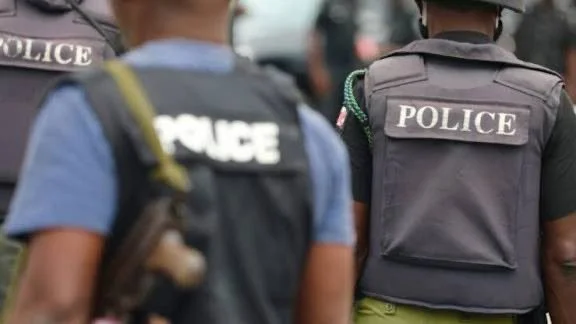
The document further alleged that there have been incidents involving security personnel conducting operations in religious centres while searching for criminal suspects.
“There are also credible reports of Nigerian security personnel raiding places of worship and injuring clergy and congregants in search of alleged criminals.”
The State Department said the latest intervention aligns with broader efforts to improve accountability and draw international attention to concerns surrounding religious freedom in Nigeria.
“President Trump’s decision to designate Nigeria as a Country of Particular Concern placed a spotlight on the severity of these longstanding and worsening problems.”
Under the programme, successful applicants will be required to focus their activities on Nigeria’s Middle Belt region and identify at least four states where project implementation will take place.
The funding opportunity is open to a wide range of organisations, including non-profit groups, international organisations, academic institutions and private entities. However, the department indicated a preference for non-profit organisations with relevant experience.
Applications for the programme will close on July 9, 2026.
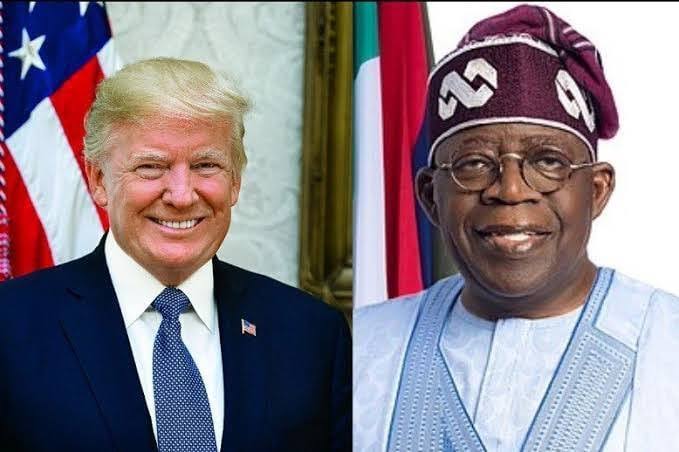
The development comes months after US President Donald Trump designated Nigeria as a Country of Particular Concern over allegations of religious persecution, particularly against Christians.
The Nigerian government has consistently rejected such claims, insisting that the country’s security challenges affect citizens of different faiths and ethnic backgrounds.
The Federal Government has repeatedly stated its commitment to working with international partners, including the United States, to address security threats and strengthen reforms within the nation’s security architecture.