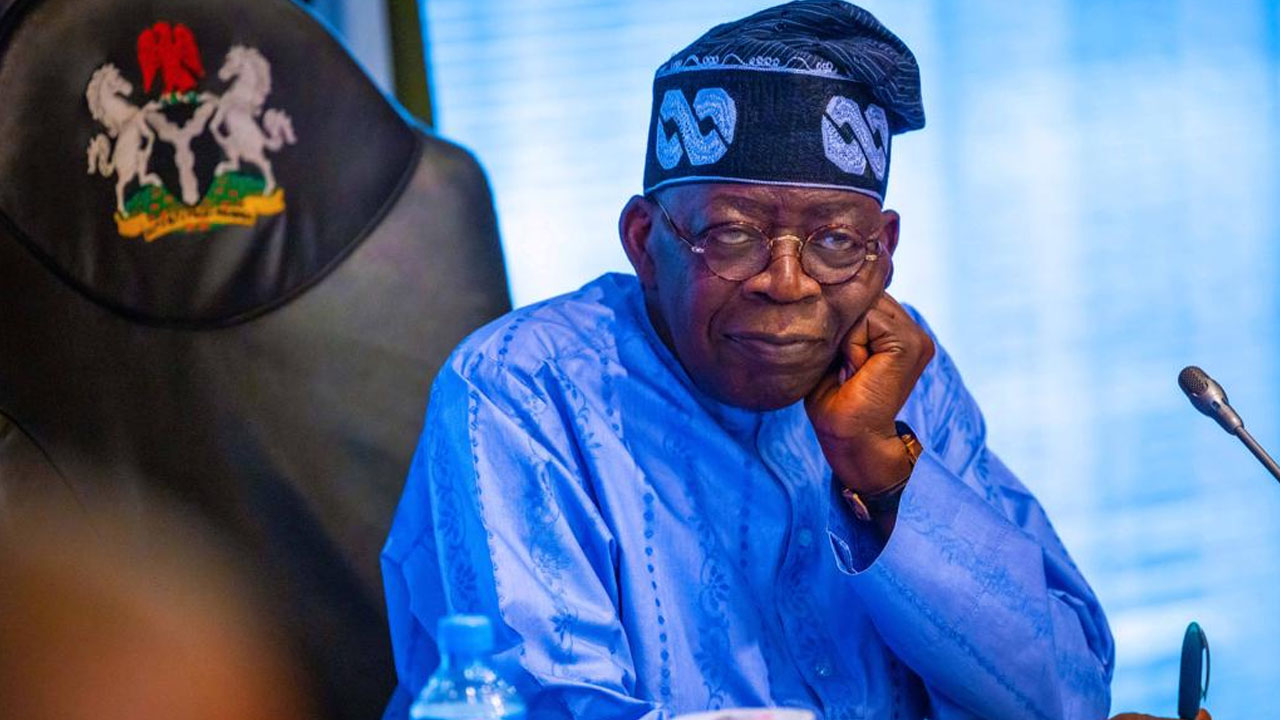
Professor AbdulKareem Adedeji, the Executive Director of the Centre for Citizens Participation and Democratic Development, has called on President Bola Ahmed Tinubu to exercise caution in the deepening crisis within the All Progressives Congress (APC) in Kwara State.
Adedeji also advised the president to avoid any perception of endorsing one faction over the other.
In an open letter to the president, Prof. Adedeji warned that the ongoing internal rift, particularly over the conduct and outcome of the party’s primaries, risks damaging the APC’s unity and electoral prospects if not handled with care at the national level.
“The state is presently confronted with a legitimacy crisis arising from all the party primaries, particularly the governorship primary process,” Adedeji said.
He noted that concerns have been raised by party elders, former and current lawmakers, youth groups, civil society organisations, professionals, and numerous aspirants who participated in the primaries.
The professor expressed worry over reports that a delegation linked to Governor AbdulRahman AbdulRazaq’s faction, including first-class traditional rulers, plans to visit Abuja.
He described the move as an attempt to project a consensus where none exists and to seek presidential validation for disputed candidates.
“Perception in politics is often more consequential than reality.
“A visit intended as consultation can easily be interpreted as endorsement. A courtesy call can become political validation,” Adedeji stated.
He urged Tinubu to remain above factional disputes, describing the President’s role as that of a father to all and a symbol of fairness.
“The President must resist any attempt, intentional or otherwise, to create the impression that it has already chosen a side in a matter that remains deeply contested,” he added.
Adedeji also cautioned traditional rulers against being drawn into partisan politics.
“Traditional rulers are not party officials… They are fathers to all,” he said, emphasising that their moral authority depends on neutrality and that involving them could undermine public trust in the institution.