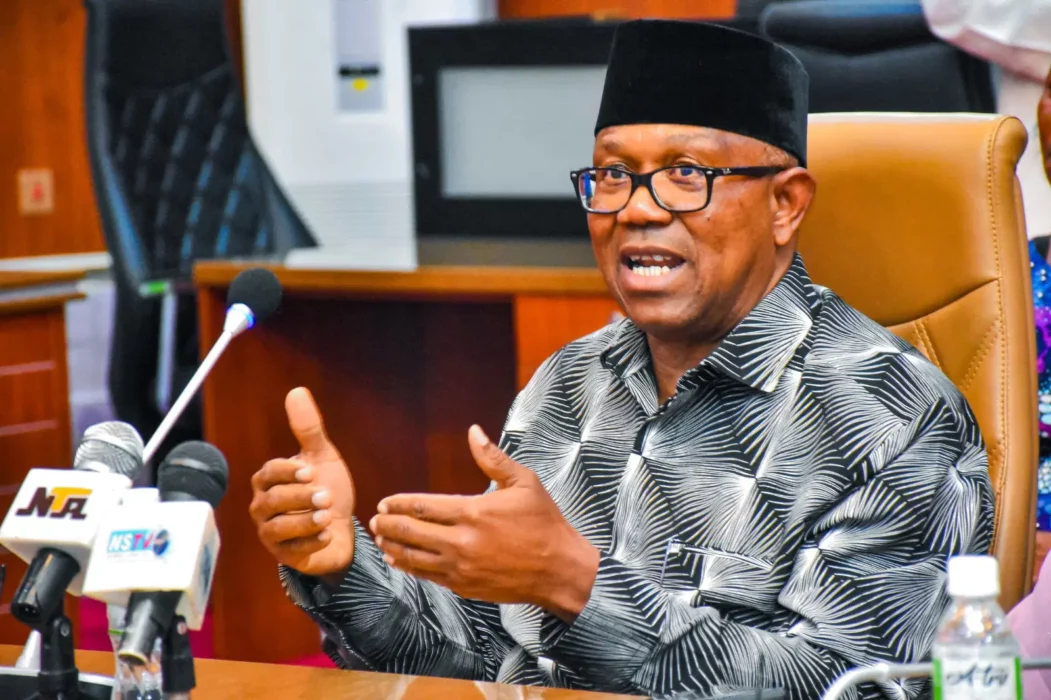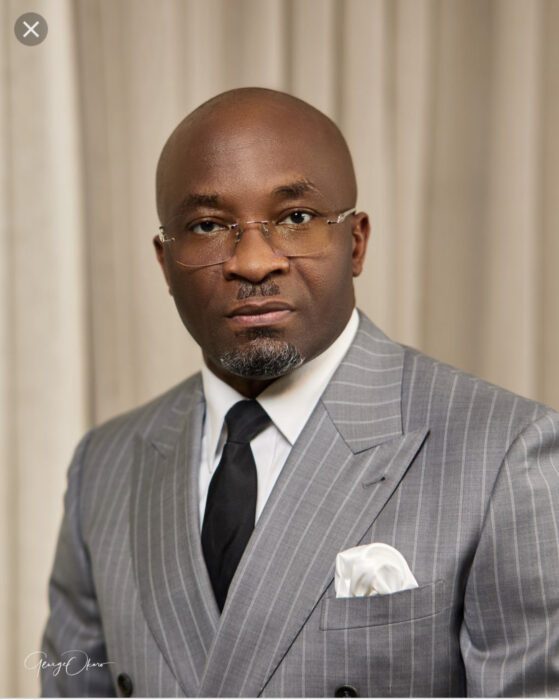
Deputy Speaker of the House of Representatives, Hon. Benjamin Kalu, has assured Nigerians that funding will not pose a challenge to the proposed establishment of state police, saying the National Assembly is working on mechanisms to ensure sustainable financing of the new policing structure.
Kalu gave the assurance on Friday while briefing journalists in Abuja after returning from a week-long engagement at Chatham House and the London Climate Action Week in the United Kingdom.
Responding to concerns that many state governments may lack the financial capacity to sustain state police, the Deputy Speaker said lawmakers were already “tidying up the space” to ensure funding does not become an obstacle.
“We are looking at how to make sure that funding will not be a problem with regard to state policing because, as you know, it is like taking some of the responsibility of the Federal Government for the states to handle,” he said.
According to him, the administration of President Bola Tinubu has significantly increased allocations to states, a development that could support the implementation of state policing.
“It is important to note that this current administration, which believes in federalism, has released more money to the states than ever before. So it wouldn’t be out of place if Mr. President said, ‘I’m already sending the states a lot of money. Part of it should be used for this.’”
Kalu added that the National Assembly was also exploring additional options to ensure that financing would not hinder the successful implementation of the proposed policing system.
“But as Parliament, we are looking at where we can get one or two things that will help funding not to become an issue. We’ll figure it out in the coming days,” he said.
The Deputy Speaker disclosed that lawmakers were using the National Assembly’s recess period to fine-tune the legislative framework for state police.
“In fact, that’s one of the reasons some of us are not on holiday. Even though we are on recess, we are here cracking our heads to see how we can put the bricks properly and build the wall of that legislative enactment in a way that it will be solid enough to carry the load that is going to be on it.”
Addressing fears that governors could abuse state police for political purposes, Kalu acknowledged that such concerns were legitimate but insisted that extensive safeguards had been built into the proposed constitutional amendment.
He explained that the draft legislation contains “guardrails” defining the powers, duties and responsibilities of state police, while also prescribing national minimum standards that states must comply with.
“They can increase the standard for the state, but they cannot go below the national minimum standard,” he said, adding that the proposed state police would not be permitted to engage in partisan activities or politically motivated operations.
Kalu further revealed that the constitutional amendment would be followed by a consequential repeal and re-enactment of the Police Act to provide the legal framework for implementing state policing and address operational concerns raised by Nigerians.
On the country’s security situation, the Deputy Speaker rejected claims that insecurity was worsening, maintaining that available data showed a gradual decline in violent incidents.
“I argued that insecurity in our country is not deepening. It is declining. It is not increasing,” he said.
He noted that the number of local government areas previously under the control of insurgents had dropped from 17 to fewer than six, describing the development as evidence of sustained efforts by the Federal Government to restore security.
Kalu also said the Tinubu administration had demonstrated its commitment to tackling insecurity through increased funding for the defence sector.
According to him, allocations to defence have risen from about ₦2.1 trillion to more than ₦5 trillion during the life of the current administration.
He added that the National Assembly was pushing for defence financing to be placed on the first-line charge to ensure timely release of funds for security operations.
Kalu said he highlighted these reforms during engagements at Chatham House, where he sought to reassure international stakeholders about Nigeria’s preparations for the 2027 general elections and ongoing efforts to strengthen national security.
We’ve got the edge. Get real-time reports, breaking scoops, and exclusive angles delivered straight to your phone. Don’t settle for stale news. Join THISTIMES on WhatsApp for 24/7 updates →
Join Our WhatsApp Channel