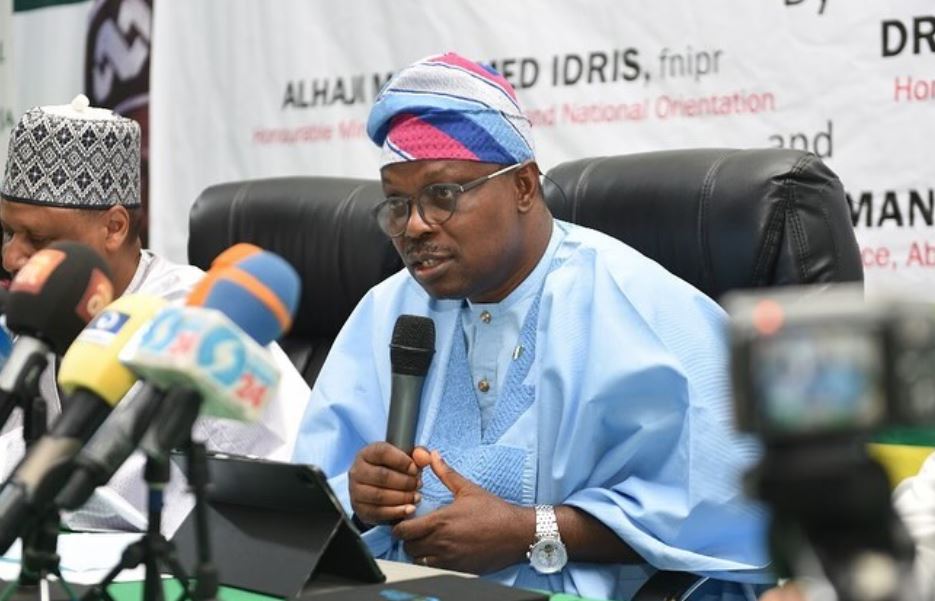
The federal government has launched the National Guidelines for Public Procurement of Food and Related Services to promote healthier diets, improve nutrition and reduce the burden of diet-related diseases across the country.
At the launch in Abuja, the Minister of State for Health and Social Welfare, Dr Iziaq Adekunle Salako, described the guidelines as a transformative policy that would reposition public procurement as a strategic tool for improving nutrition, strengthening food systems and advancing sustainable national development.
The event, themed: “Public Procurement of Food: Promoting a Culture of National Wellness Through the Food Value Chain,” brought together stakeholders from the health, agriculture, procurement and development sectors.
Salako said government procurement decisions should no longer be viewed merely as administrative processes but as policy instruments capable of improving public health, strengthening human capital and stimulating economic growth.
He said the initiative reflects the Tinubu administration’s whole-of-government approach to governance, noting that better health outcomes require collaboration among sectors responsible for procurement, agriculture, nutrition, health and economic planning.
Highlighting the growing burden of unhealthy diets, the minister said poor dietary habits contribute to about 7.2 million deaths globally each year, adding that Nigerians consume an average of 3.9 grams of sodium daily, almost twice the World Health Organization’s recommended limit of two grams.
He identified excessive consumption of salt, industrial trans fats and sugar-sweetened beverages as major contributors to cardiovascular diseases, obesity and diabetes
Salako noted that the government had already introduced several public health measures, including the National Guideline for Sodium Reduction, the Trans-Fatty Acid Regulation and the Sugar-Sweetened Beverage Tax, to encourage healthier eating and reduce the prevalence of non-communicable diseases.
He also expressed concern over Nigeria’s malnutrition burden, stating that almost half of under-five deaths are linked to malnutrition.
Citing recent national survey findings, he said about four in every 10 Nigerian children under five are stunted, while nearly two million children suffer from severe acute malnutrition each year.
According to him, the situation poses not only a health challenge but also threatens the country’s human capital, educational attainment, productivity and long-term economic growth.
Salako observed that government remains Nigeria’s largest institutional purchaser of food and related services, making its procurement decisions critical in shaping healthier food environments and encouraging the production and supply of more nutritious foods.
He explained that the new guidelines establish evidence-based standards for food procurement by promoting balanced diets while setting limits for sodium, sugar and unhealthy fats.
We’ve got the edge. Get real-time reports, breaking scoops, and exclusive angles delivered straight to your phone. Don’t settle for stale news. Join THISTIMES on WhatsApp for 24/7 updates →
Join Our WhatsApp Channel