The Senate has approved a bill seeking to establish the Federal University of Medical Laboratory Science and Technology in Jos, Plateau State, a move aimed at strengthening Nigeria’s healthcare system and expanding the country’s capacity for disease diagnosis, research and medical laboratory training.
The bill received the endorsement of the upper chamber during plenary after lawmakers considered and adopted it at the Committee of the Whole. Its passage marks another step in efforts to improve healthcare education and develop a stronger workforce for Nigeria’s health sector.
The proposed institution is expected to focus on the training of medical laboratory scientists and other healthcare professionals, while also serving as a centre for biomedical research, innovation and advanced diagnostic studies.
Lawmakers said the university would help address gaps in healthcare delivery and support efforts to improve disease surveillance across the country.
Leading debate on the legislation, Senate Leader Opeyemi Bamidele urged senators to support the measure, describing it as one of several important bills designed to strengthen key sectors of the economy. The bill was eventually approved alongside amendments to other legislations considered by the Senate.
The development has been welcomed by stakeholders in the medical laboratory profession, who described it as a major boost for healthcare development in Nigeria.
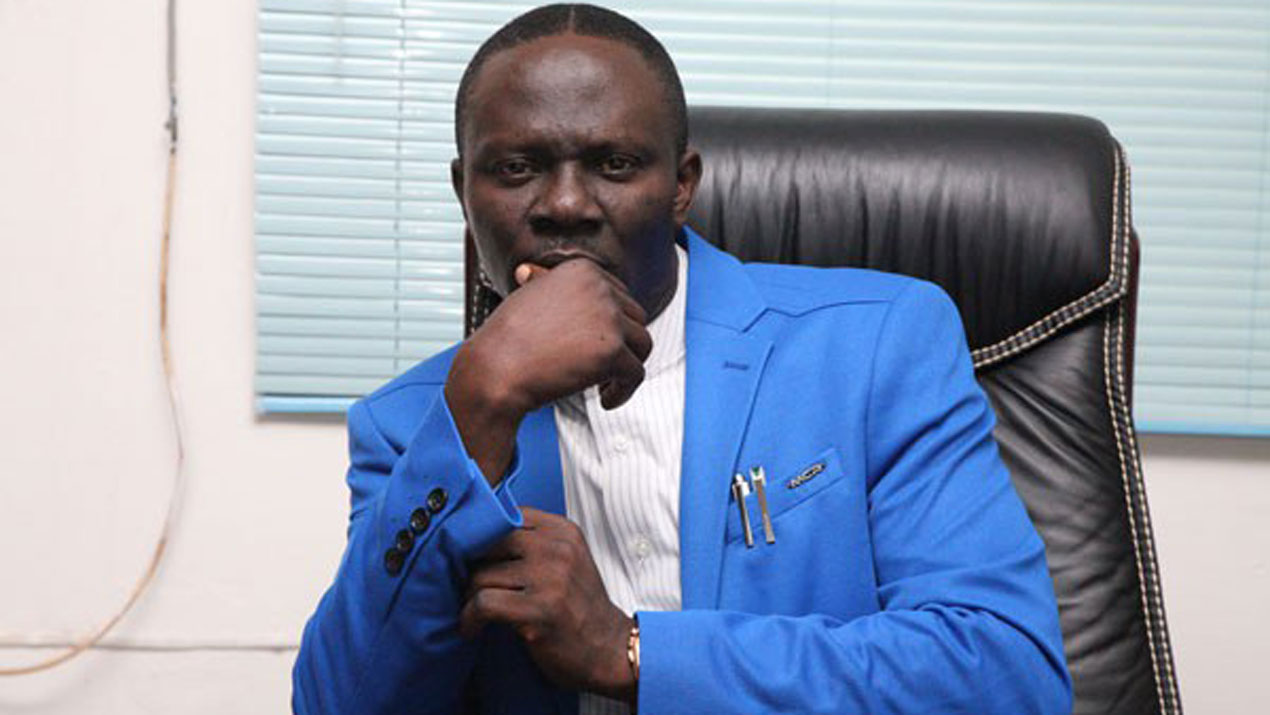
Reacting to the passage of the bill, the Provost and Chief Executive Officer of the Federal College of Medical Laboratory Science and Technology, Jos, Prof. Sunday Etukudoh, said the decision would have a lasting impact on the nation’s health security and scientific advancement.
“COVID-19 stripped us bare and whispered a truth we must never forget: A nation that cannot diagnose cannot defend itself,” he said.
Etukudoh said the proposed university would play a vital role in building local expertise, strengthening research efforts and producing professionals capable of meeting the growing demands of the healthcare sector.
“This is not bureaucracy. It is prophecy. Today, Nigeria has taken a bold step toward strengthening its health security, scientific independence and the future of medical laboratory education,” he stated.
He also called on the Federal Government to ensure the institution becomes operational without unnecessary delays, stressing that the university would contribute significantly to the country’s healthcare future.
“I call on the Federal Government to prioritise this university. Nigeria’s health security hangs on it. Nigeria’s youth’s destiny hangs on it. Nigeria’s scientific independence hangs on it,” he said.
According to him, the institution already possesses significant infrastructure required for a university environment. He noted that the permanent site contains modern academic facilities, including lecture halls, administrative buildings, an electronic library and advanced diagnostic and research laboratories.
Despite the progress recorded in infrastructure development, the provost expressed concern over the absence of student accommodation facilities. He urged authorities to address the challenge to ensure a smooth transition into a full-fledged university.
“We have built the classrooms of a university. We have raised the laboratories of a university. What remains is to build the home of a university. A university without hostels is a body without a heart,” he added.
Etukudoh further encouraged students and young professionals in the medical field to embrace emerging technologies, particularly artificial intelligence, noting that innovation would continue to shape the future of healthcare and medical diagnostics around the world.
The proposed university is expected to emerge from the existing Federal College of Medical Laboratory Science and Technology in Jos. The institution traces its roots to a training unit established in 1954 under Nigeria’s Hospital Services before attaining federal college status in 2006.