Ondo State governor, Lucky Aiyedatiwa, has called for greater inclusion of women in political and elective positions, describing them as vital to national development and urging stakeholders to remove barriers limiting their participation in governance.
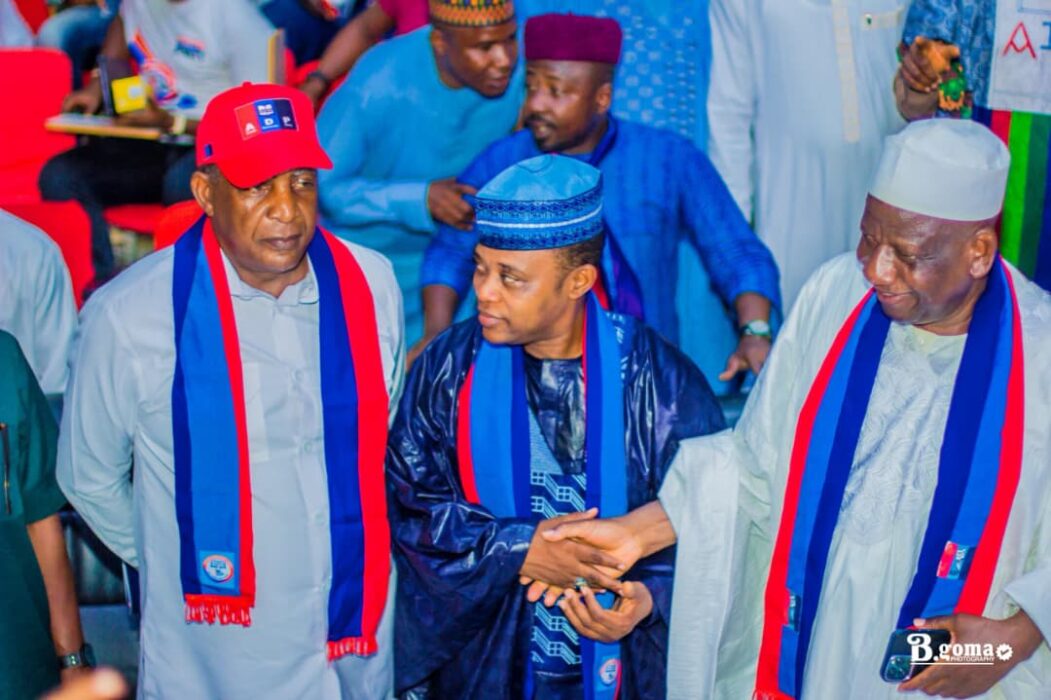
The governor appealed on Wednesday at the launch of the 774 Explode Project in Akure, an initiative of the National Women Leader of the All Progressives Congress (APC) aimed at empowering women.
Represented by his deputy, Dr. Olayide Adelami, Aiyedatiwa said women play indispensable roles in nation-building and stressed that leadership should be based on competence, vision and service rather than gender.
He noted that while progress had been made in promoting women’s participation, more deliberate efforts were needed to ensure their inclusion in elective offices, leadership positions and key decision-making structures.
According to him, cultural stereotypes, economic barriers and systemic limitations should no longer hinder women from realising their full potential. He described the 774 Explode Project as a bold initiative that aligns with efforts to unlock the potential of women across the country.
Aiyedatiwa also said his administration has embraced gender-inclusive governance, adding that societies achieve lasting development when they harness the talents and leadership of both men and women.
Speaking at the event, APC National Women Leader, Dr. Mary Idele, stressed the need to create more opportunities for women, particularly young women, to occupy political and leadership positions.
She said Nigeria has many educated, innovative and capable young women whose talents should be channelled into public service, urging political parties and stakeholders to support them in becoming councillors, local government chairpersons, legislators, commissioners, party executives, governors and even presidents.
Idele noted that political participation goes beyond holding office, saying it is about influencing policies and ensuring women’s perspectives are reflected in decision-making.
She also appealed to mothers, traditional rulers, religious leaders, community leaders and party stakeholders to provide mentorship, confidence and opportunities that would encourage more young women to participate in politics.
Despite years of advocacy, women remain significantly underrepresented in Nigeria’s political leadership. Civil society organisations, women’s groups and development partners have continued to advocate for policies that promote gender equality in governance, including affirmative action and the proposed Gender and Equal Opportunities Bill, although progress has remained slow.
We’ve got the edge. Get real-time reports, breaking scoops, and exclusive angles delivered straight to your phone. Don’t settle for stale news. Join THISTIMES on WhatsApp for 24/7 updates →
Join Our WhatsApp Channel