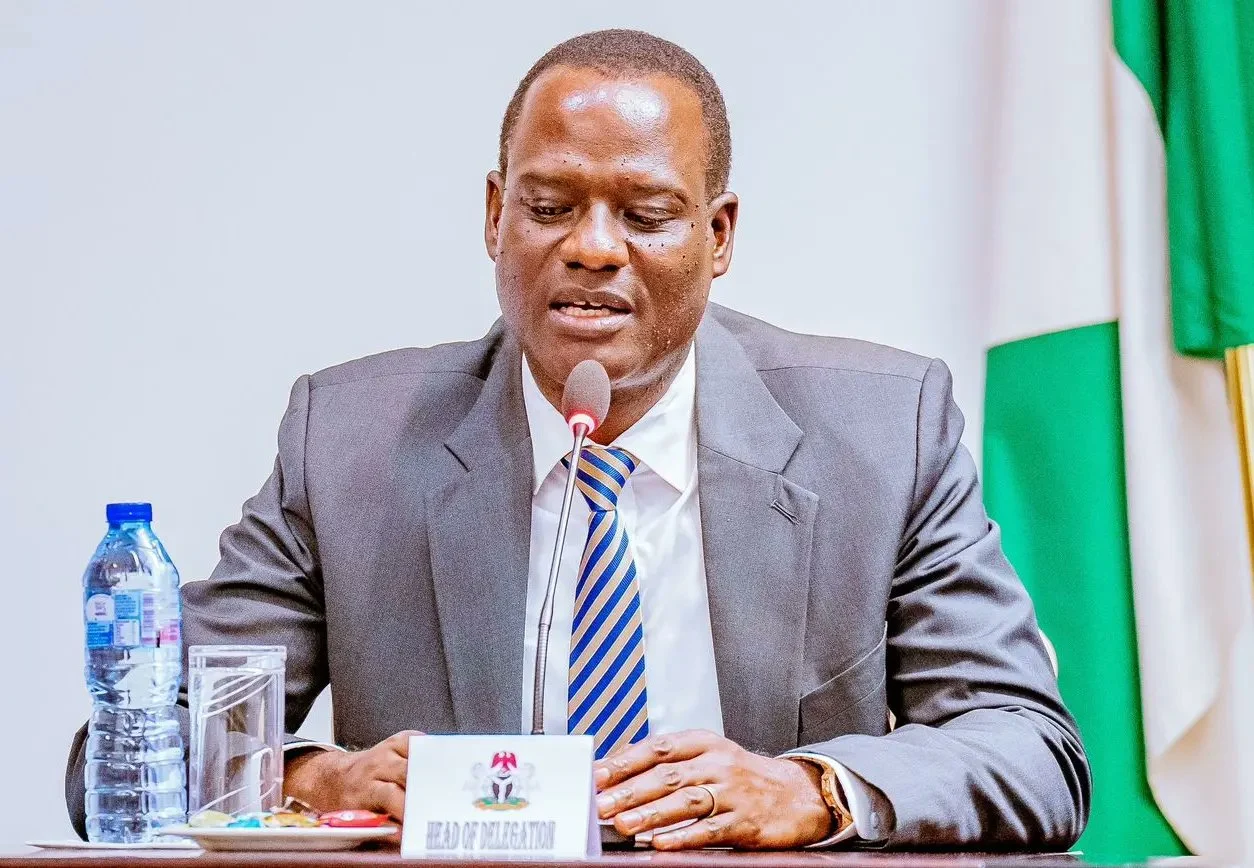
Minister of Finance and Coordinating Minister of the Economy, Taiwo Oyedele has said much of the fiscal gains realised from the removal of fuel subsidy and reforms in the foreign exchange market have been offset by rising debt servicing obligations and increased public expenditure, particularly on salaries and education support programmes.
Oyedele, stated this at the African Emerging Markets Forum in Abuja, amid growing concerns over how the savings from the reforms introduced by President Bola Tinubu’s administration have been utilised.
The subsidy removal and exchange rate reforms, introduced in 2023, have been widely commended by investors and multilateral institutions for correcting long standing market distortions. However, they have also triggered a sharp rise in the cost of living, prompting public scrutiny over the deployment of the savings generated.
According to Oyedele, fuel subsidies and what he described as an implicit foreign exchange subsidy had previously cost Nigeria about five per cent of its Gross Domestic Product (GDP) before they were eliminated.
He explained that a significant portion of the savings had been consumed by higher debt servicing costs, noting that government borrowing rates climbed to as high as 24 per cent from about eight per cent before the reforms.
Oyedele also said the government’s personnel costs increased substantially following the approval of a new national minimum wage of N70,000, which more than doubled the previous wage level.
He added that public spending had also risen as the government expanded its student loan programme, which now provides tuition support and monthly stipends to more than 1.5 million students across the country.
Responding to a recent assessment by the International Monetary Fund (IMF) that millions of Nigerians remain in poverty despite the reforms, Oyedele argued that a temporary decline in real incomes was an unavoidable consequence of subsidy removal.
He maintained that the administration remains focused on achieving sustainable improvements in living standards and would assess the impact of its reforms using broader development indicators rather than relying solely on headline economic growth figures.
According to him, government would monitor progress through multidimensional poverty, growth in real per capita income and income inequality to determine whether the reforms are delivering tangible benefits to Nigerians.
We’ve got the edge. Get real-time reports, breaking scoops, and exclusive angles delivered straight to your phone. Don’t settle for stale news. Join THISTIMES on WhatsApp for 24/7 updates →
Join Our WhatsApp Channel