The Initiative for Grassroot Advancement in Nigeria (INGRA) has urged the Kogi State Government to give urgent priority to affordable mass transportation, reliable public water supply and environmental sanitation, saying the services are critical to improving the living conditions of residents.
The civil society organisation said the state government’s commitment to implementing the Kogi State Development Plan 2024–2056 should translate into tangible improvements in the daily lives of citizens rather than remain a policy document.
In a statement signed by its Executive Director, Hamza Aliyu, INGRA said workers, traders, students and other residents require affordable transportation, clean water and a healthy environment to enhance productivity and wellbeing.
According to the organisation, “A development plan cannot be judged only by conferences, policy documents and announcements. It must be measured by whether water flows, buses are available, roads are accessible, refuse is collected and communities are clean and healthy.”
INGRA noted that the state government’s 2026 Second Quarter Budget Implementation Report showed that Kogi recorded ₦141.42 billion in recurrent revenue and ₦117.52 billion in capital receipts between January and June 2026, amounting to about ₦258.94 billion.
While acknowledging that part of the capital receipts comprised loans, grants and other funds tied to specific projects, the organisation said the volume of resources created legitimate public expectations for visible improvements in essential services.
It also observed that the report indicated cumulative capital expenditure of about ₦121.61 billion as of the end of June, stressing that citizens deserved detailed information on projects funded, their locations, implementation status and benefits.
The group called on the government to establish a properly managed and subsidised Kogi Mass Transit Scheme, beginning with Lokoja before extending to other parts of the state.
It said the scheme should feature transparent procurement and management processes, published routes and fares, dedicated services for workers and students, accessible buses, designated bus stops, effective maintenance and accountable revenue management.
According to INGRA, although the planned Federal Bus Terminal in Lokoja is a welcome development, it cannot substitute for a functional public transport system that provides affordable daily mobility.
On water supply, the organisation commended previous interventions, including the deployment of free water tankers during efforts to restore the Old Lokoja Water Works and Greater Lokoja Water Works.
However, it maintained that tanker distribution could not serve as a permanent solution to the state’s water challenges.
It therefore urged the government to provide regular public updates on the condition of the two water works, funds released and utilised, technical challenges, communities currently receiving water, expected completion timelines and long-term plans for water production and distribution across the state.
INGRA also expressed concern over environmental sanitation in Lokoja, describing the continued presence of refuse heaps, blocked drainage channels, inadequate public toilets and irregular waste collection as inconsistent with the state’s development aspirations.
The organisation called for an emergency sanitation and waste management programme covering Lokoja and other major towns, including regular refuse collection, evacuation of waste dumps, drainage clearance, provision of public toilets, designated waste disposal and recycling points, and enforcement of service standards for waste contractors.
It added that sanitation enforcement should be accompanied by the provision of the necessary infrastructure.
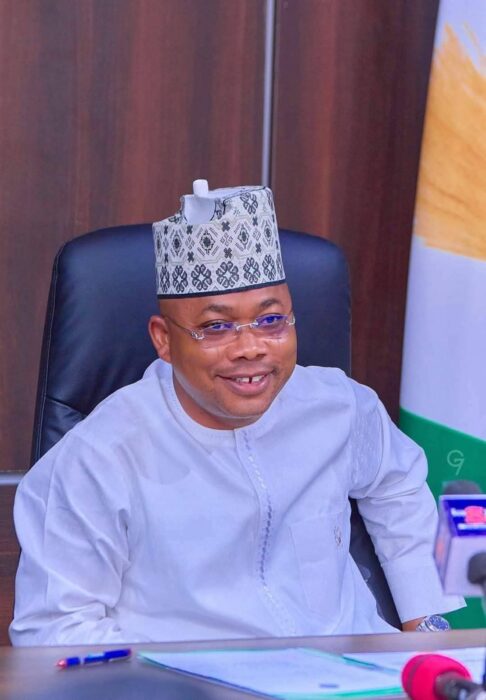
The group further urged Governor Ahmed Usman Ododo, to establish a time-bound inter-ministerial response on transportation, water supply and sanitation, publish implementation plans and project timelines, engage communities and civil society organisations in project monitoring, and present quarterly progress reports in line with the state’s 32-year Development Plan.
INGRA stated that delivering visible improvements in public services would strengthen public confidence in government and provide a stronger basis for any future request for electoral support than political campaigns or endorsements.
We’ve got the edge. Get real-time reports, breaking scoops, and exclusive angles delivered straight to your phone. Don’t settle for stale news. Join THISTIMES on WhatsApp for 24/7 updates →
Join Our WhatsApp Channel