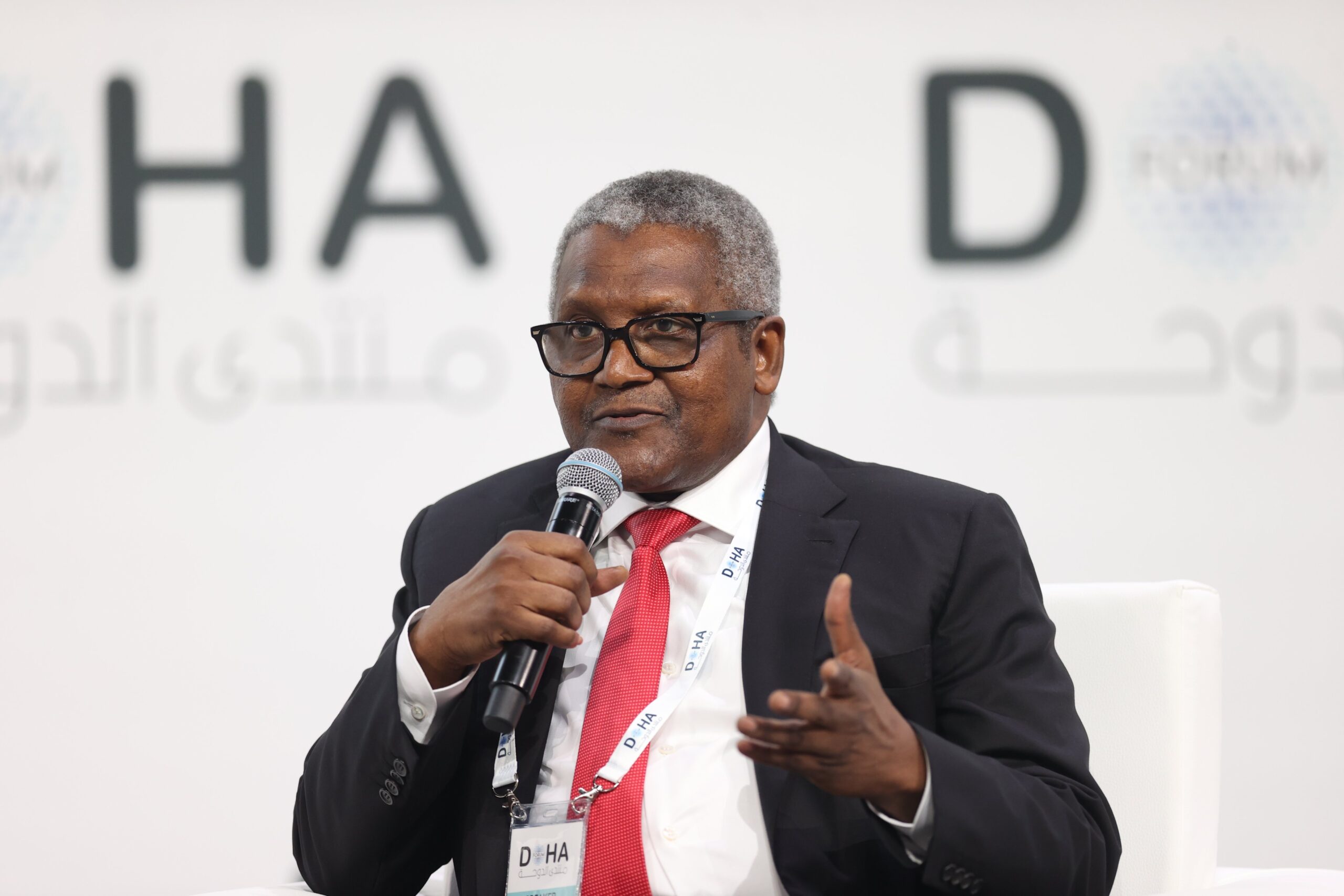
Aliko Dangote, Chief Executive Officer of Dangote Group, has said investors can subscribe to the proposed Initial Public Offering (IPO) of Dangote Petroleum Refinery and Petrochemicals FZE with a minimum of 10 ordinary shares, worth N5,250.
Dangote disclosed this on Monday during the signing ceremony for the refinery’s IPO at Eko Hotel and Suites, Victoria Island, Lagos.
The proposed offer comprises 4.1 billion ordinary shares at an offer price of N525 per share, with the company targeting N2.15 trillion from the IPO to support the expansion of the refinery.
Dangote said the planned fundraising was not only about securing capital for the refinery’s expansion, but also about giving more people an opportunity to participate in its ownership.
He explained that the broader objective was to give everybody an opportunity to become shareholders, no matter who they are.
He said the pricing was not simply about maximising the amount that could be raised, but about encouraging people to participate and build future savings.
Dangote described the proposed offering as “the IPO for the People,” stressing that ownership would not be restricted to a particular category of investors.
Nairametrics has followed the Dangote Refinery’s IPO preparations as the company moved from raising private capital to securing regulatory approval for the public offering.
One day later, on September 5, the Securities and Exchange Commission approved the IPO, clearing the way for the proposed offer of 4.1 billion shares at N525 each, which could raise about N2.15 trillion if fully subscribed.
Dangote Refinery has become a major contributor to Nigeria’s domestic petrol supply while also expanding its presence in regional African markets.
Nairametrics reported in May that the refinery supplied 41.5 million litres of petrol per day, up from 40.7 million litres in April, while operating at an average 101.25% capacity utilisation.
The refinery has also expanded its export activities. Nairametrics reported that it exported 456,000 tonnes of refined petroleum products through 12 cargoes to African markets, including Côte d’Ivoire, Cameroon, Tanzania, Ghana and Togo.