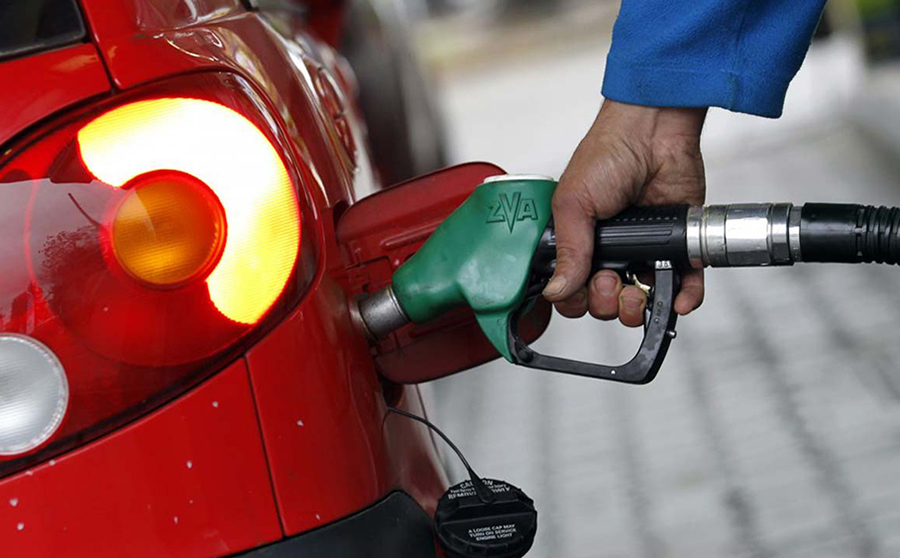
The Nigerian Midstream and Downstream Petroleum Regulatory Authority (NMDPRA) has attributed persistent volatility in petrol prices to crude oil sourcing, single-source domestic refining, logistics and transportation costs.
The Head of Public Affairs at NMDPRA, George Ene-Ita, disclosed this during an interview with the News Agency of Nigeria (NAN) on Sunday, September 6, 2026, in Abuja.
Ene-Ita described the issues surrounding the continuous increase in petrol prices as complex, noting that petrol prices have been fully deregulated and are therefore subject to market volatility.
The NMDPRA spokesman said the cost of sourcing crude oil as feedstock and the time lag between crude procurement and its arrival at refineries are factored into product pricing.
He added that marine and inland taxes associated with the movement and supply of petroleum products are also included in the pricing.
Ene-Ita also identified transportation and landing costs, as well as marine and inland taxes, as factors affecting petrol prices, adding that a more robust, competitive and sustainable domestic refining ecosystem could make pricing clearer and more beneficial to consumers.
Ene-Ita said refinery pricing templates and ex-depot prices were not regulated under the current framework.
He, however, noted that NMDPRA was collaborating with stakeholders and agencies such as the Federal Competition and Consumer Protection Commission (FCCPC) to ensure price equilibrium and parity at the last mile.
Garima called for government intervention to reduce the cost of crude supplied to domestic refineries during periods of international market volatility.
Nairametrics reported in March this year that oil marketers had raised concerns that their businesses were suffering from the spike in petrol prices linked to the ongoing conflict in the Middle East.
The latest concerns come as stakeholders continue to seek ways to moderate petrol price volatility and reduce the pressure on consumers and oil marketers.