The Federal Government has launched the Zero-Rated Access to Education Platforms initiative to expand access to digital learning resources for students across Nigeria.
The initiative was launched on Thursday in Abuja by the Federal Ministry of Education in collaboration with the Nigerian Communications Commission (NCC).
The initiative will provide learners with free connectivity to approved academic sites, while the government says safeguards are also needed to protect children from cyber threats and online exposure.
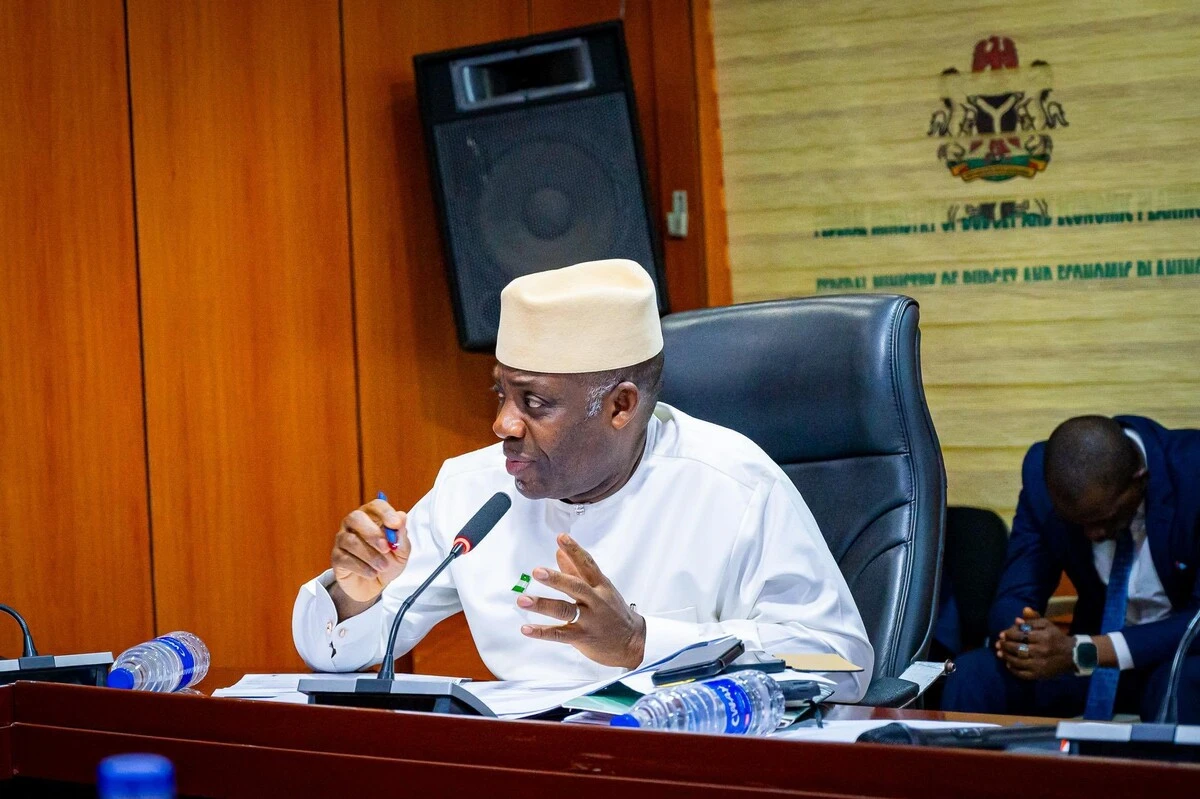
Speaking at the launch, the Minister of Education, Dr Tunji Alausa, said the government’s expansion of digital learning infrastructure must be accompanied by safeguards for minors.
He disclosed that security agencies would announce guidelines for regulating internet access for children below 16 in the coming days or weeks.
The minister also stressed that zero-rated access should not mean unrestricted access to platforms that describe themselves as educational.
Also speaking, Ikechukwu Ugwuegede, a member of the NCC Board of Commissioners, described zero-rated access as a democratisation of learning comparable to the digital e-book revolution.
He said free connectivity to approved academic sites would give learners in both rural and urban communities equal access to knowledge.
Senator Mohammed Muntari, Chairman of the Senate Committee on Tertiary Institutions and TETFUND, commended telecommunications operators for using their corporate social responsibility efforts to support national education.
Peter Akpatason, a member of the House Committee on Communication, pledged parliamentary oversight to ensure telecommunications providers expand coverage to underserved communities.
He said access to information should not depend on the ability to pay for data.
The Federal Government’s latest announcement comes amid ongoing efforts to balance children’s access to digital resources with stronger safeguards against online risks.
Also in June, the NCC announced a framework for zero-rated access to educational websites, potentially including platforms such as Coursera and Google Classroom. The framework is aimed at expanding equitable access to digital educational resources by allowing users to access selected platforms without paying for data.
Nigeria has been steadily pushing its education system towards a more digital future, with the Federal Government working to make technology, data and online resources a bigger part of how learning is delivered and managed.
In July, the Federal Government announced plans to extend trusted digital identity coverage to nearly 80 million learners across the country.
This came as the Ministry of Education and the National Identity Management Commission work to strengthen digital systems for education.