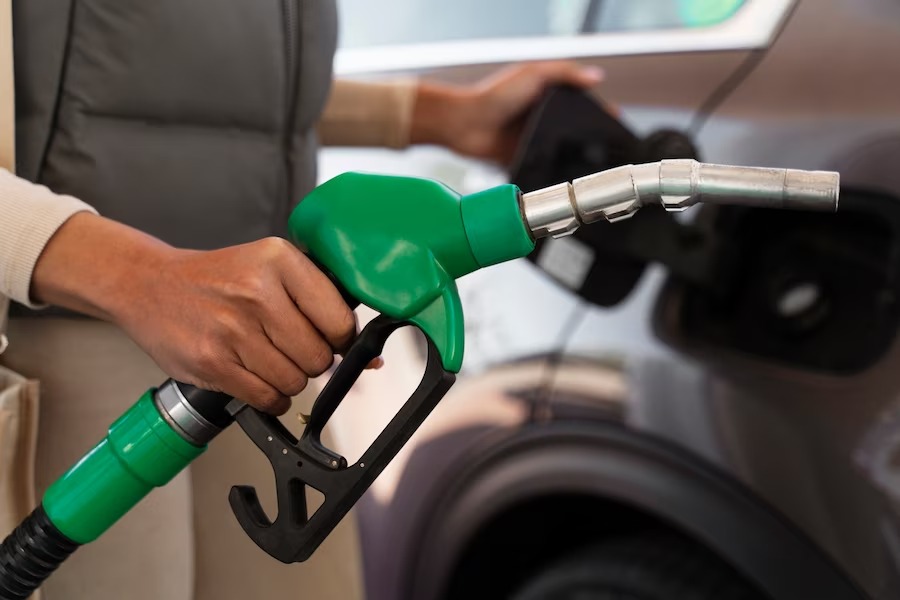
Petrol prices have increased across major Nigerian cities, with retail outlets now selling Premium Motor Spirit (PMS) between N1,400 and N1,450 per litre.
Checks by Nairametrics show that as of Sunday, most filling stations in Lagos were dispensing petrol between N1,400 and N1,430 per litre, while MRS stations sold at N1,395 per litre.
In Abuja, pump prices ranged from N1,400 to N1,450 per litre.
The adjustment marks another increase in domestic fuel prices, which have risen sharply from around N830 per litre before the Middle East crisis earlier this year to over N1,300 in many parts of the country.
The latest price movement follows a surge in international crude oil prices, with Brent crude climbing above $100 per barrel and reaching $107 per barrel on Thursday.
The rise in crude prices has translated into higher costs for domestic refiners and fuel importers, prompting fresh adjustments to petrol prices across Nigeria.
The latest increase has triggered concerns among consumers, many of whom fear petrol prices could rise further in the coming days.
Reacting on X, user @TheoAbuAgada noted that the N85 increase in Dangote Refinery’s gantry price could push pump prices to about N1,500 per litre.
Another user, @Danilo___TV, lamented the growing normalisation of rising fuel costs.
In July, Dangote Petroleum Refinery and Petrochemicals stated that its pricing model is not directly tied to daily fluctuations in international crude oil prices, explaining why retail fuel prices do not immediately decline when global oil benchmarks fall.
The refinery said crude oil is often purchased weeks or months before processing under commercial supply contracts linked primarily to monthly average pricing mechanisms.
According to the company, this procurement structure means changes in international oil prices are not instantly reflected in local fuel prices.
The Nigerian Midstream and Downstream Petroleum Regulatory Authority (NMDPRA) has attributed continued volatility in petrol prices to a combination of crude oil sourcing costs, logistics expenses, transportation challenges and the country’s reliance on a limited number of refining sources.
Speaking recently, NMDPRA’s Head of Public Affairs, George Ene-Ita, said petrol pricing in Nigeria is now fully deregulated and therefore subject to market forces.
He noted that factors such as the cost of acquiring crude oil feedstock, exchange rate movements and the time lag between crude procurement and refining continue to play significant roles in determining pump prices across the country.