BY YUSUF BABALOLA AND SIVOWAKU ABIODUN, Lagos
The pump price of Premium Motor Spirit (PMS), popularly known as petrol, has risen to as high as N1,380 per litre in Lagos following an increase in the gantry price of the product by Dangote Petroleum Refinery, with the development already triggering higher transportation fares in Lagos and Ogun states.
The refinery increased its PMS gantry price from N1,265 to N1,350 per litre, representing an N85 increase.
LEADERSHIP reports that the new price was announced late Friday by the Group Commercial Operations of Dangote Petroleum Refinery and Petrochemicals and took effect from September 12, 2026.
In a circular announcing the adjustment, the refinery stated, “Dear Valued Customer, please find below the revised DPRP PMS gantry and coastal prices, which are effective from 12th September 2026.”
Following the increase, a survey by LEADERSHIP showed that petrol prices had risen across several filling stations in Lagos and Ogun states.
At the Nigerian National Petroleum Company Limited (NNPCL) filling station in Mangoro, Ikeja, petrol was sold at N1,380 per litre, while Ardova Petroleum (AP) filling station at Alakuko, Lagos, sold the product at N1,370 per litre.
In Ota, Ogun State, petrol sold for N1,335 per litre at AP filling station, Antenna, while A-F Yomis filling station in Iju, Ota, sold at N1,340 per litre and NIPCO sells for N1305/litre.
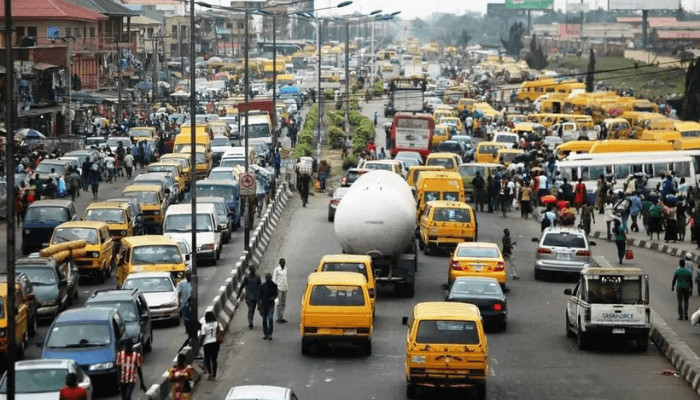
The increase has also pushed up transportation fares, with commuters in parts of Lagos and Ogun already paying more for road transport.
At the airport shuttle park in Ikeja, a bus conveying passengers from Ikeja to the NAHCO area charged N400 per passenger.
A passenger who complained that the fare was too high insisted that he would pay N300.
However, the conductor attributed the increase to the higher cost of petrol, saying: “You don’t even know how much I bought fuel today. The price has increased.”
Similarly, the fare from Atan to Ojuore in Ogun State, which previously stood at N1,000, had risen to N1,200 as of the time of filing this report.
The latest development is expected to further increase transportation costs for commuters and add pressure to household spending, particularly as transport operators adjust fares to reflect the rising cost of fuel.
We’ve got the edge. Get real-time reports, breaking scoops, and exclusive angles delivered straight to your phone. Don’t settle for stale news. Join THISTIMES on WhatsApp for 24/7 updates →
Join Our WhatsApp Channel