By SAMUEL TYOTSUA
Stakeholders in Nigeria’s tourism, hospitality, aviation, finance and creative sectors have called for a year-round strategy to transform the country’s cultural and festive activities into a sustainable economic sector, saying the plan to generate $100 billion from tourism and the creative economy cannot depend on the December rush alone.
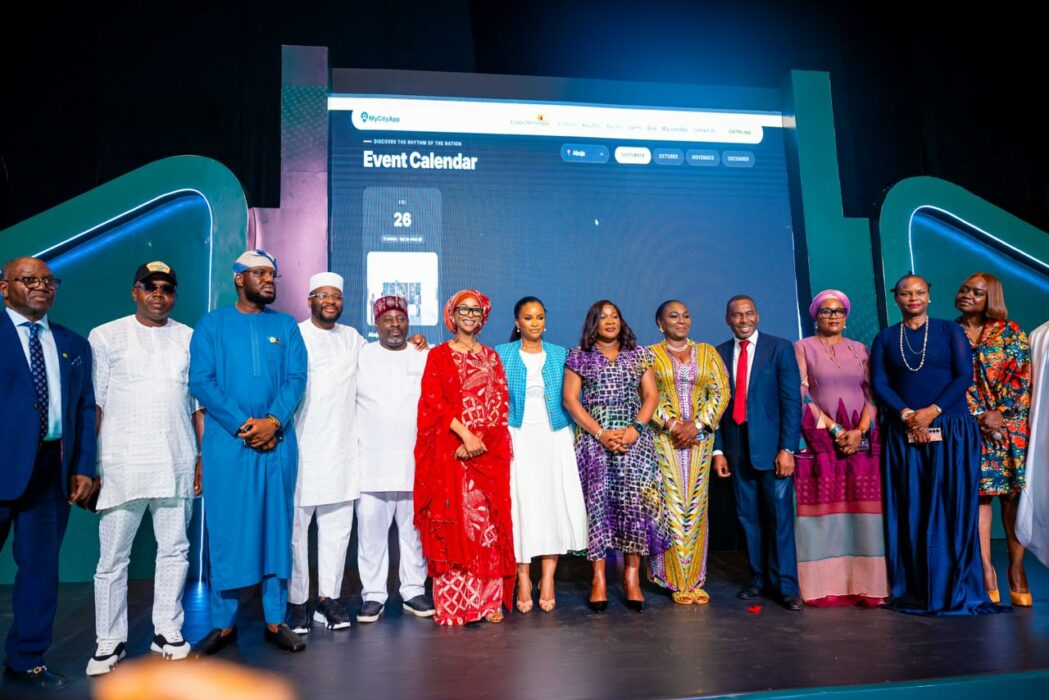
The call was made on Monday at the ‘Ember to Remember’ National Private Sector and Stakeholders’ Conference, held in Lagos, where stakeholders examined ways to turn the September-to-December festive period into a broader economic opportunity.
The conference, organised by the Federal Ministry of Art, Culture and the Creative Economy in partnership with MyCityApp, was themed “From Celebration to Economic Growth — Unlocking Nigeria’s $100 Billion Tourism and Creative Economy Opportunity.”
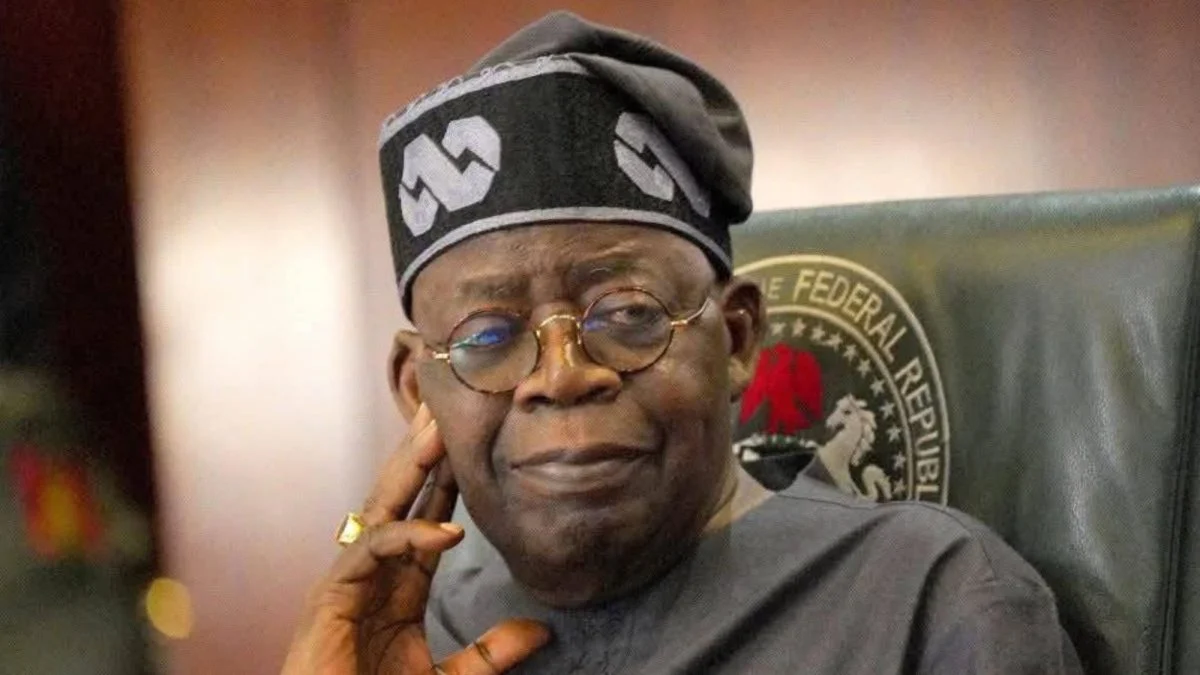
Minister of Art, Culture and the Creative Economy, Hannatu Musa Musawa, said that the country’s festive season already generated considerable movement and spending, but the greater challenge was to convert that activity into sustainable jobs, investment and business opportunities.
Musawa said Nigeria had the culture, creativity, music, fashion, food, heritage, festivals, hospitality, and human capital required to build a strong tourism economy, but stressed that the $100 billion ambition could not be achieved by a single ministry, company, or event.
According to her, the government must provide an enabling environment through policy, infrastructure, security and destination development, while the private sector must remain central to building and expanding the industry.
She urged stakeholders to think beyond December and work towards making tourism, culture and the creative economy consistent contributors to national economic growth.
Chief Executive Officer of MyCityApp, Mrs Ifeoma Chukwu, identified the poor visibility of events and experiences across the country as one of the challenges limiting Nigeria’s tourism potential.
Chukwu said while the country had numerous festivals, concerts, cultural celebrations and other experiences, information about them was often scattered across different platforms, making it difficult for potential visitors to know what was happening and where.
She said the National Digital Calendar was conceived to address that gap by bringing together information about events and experiences across Nigeria, including activities during the ember period.
Chukwu noted that greater visibility could encourage people to travel for events, while businesses and communities along the tourism value chain could benefit from the resulting economic activity.
The Chief Executive Officer of MTN Nigeria, Dr Karl Toriola, said that the development of a modern visitor economy also depended on digital infrastructure, connectivity, and convenient payment systems.
Toriola said visitors increasingly required reliable connectivity, access to information, digital payments and other services from the point of planning a trip through their movement around a destination.
He argued that Nigeria’s festive economy should not be viewed only through the lens of concerts and entertainment, but also through the broader chain involving aviation, hospitality, transportation, retail, technology, and local businesses.
He also stressed the need to extend the economic benefits of the Ember season beyond the traditional end-of-year peak.
Chief Executive Officer of Landmark Africa, Paul Onwuanibe, stated that Nigeria’s tourism challenge was not a shortage of attractions but the failure to organise and commercialise the opportunities around them.
Onwuanibe said the country’s culture, food, music, fashion, festivals, landscapes and heritage could support a much larger tourism economy if properly packaged and promoted.
He argued that tourism should be treated as a development sector rather than an occasional festive activity, stressing the need to create a system that could generate value throughout the 52 weeks of the year.
Chairman of the Lagos Internal Revenue Service, Subair Ayorinde, similarly identified infrastructure as critical to achieving the country’s tourism ambitions.
Ayorinde said international visitors needed a seamless experience from the point of arrival at the airport through transportation, accommodation, restaurants and other destinations, adding that Nigeria must provide facilities that meet global standards.
Representing the Managing Director of the Federal Airports Authority of Nigeria, Mrs Obiageli Orah, also highlighted the importance of the airport experience to the country’s tourism prospects.
She said efforts were being made to improve passenger movement and facilities while addressing issues affecting travellers, noting that the airport was an important part of the visitor’s first impression of Nigeria.
The discussions also extended to professional standards within the sector. Director-General of the National Institute for Hospitality and Tourism, Aare Dr Abisoye Fagade, said the industry required proper training, registration, and certification of personnel and operators if Nigeria were to build a credible tourism economy.
In the hospitality sector, Dr. Iyadunni Fagade of Eko Hotels said the experience of a visitor could be affected by every link in the tourism chain, not only what happens inside a hotel.
She stressed that poor experiences on the road, at airports, or at other points of contact could undermine the overall quality of the destination experience, arguing that private-sector investment and better coordination were necessary for Nigeria to benefit from increased tourism activity.
Stakeholders also pointed to the need for greater commercialisation of Nigeria’s creative assets, particularly by connecting creators with manufacturing, investment and international markets.
The discussions therefore shifted the focus from the festive season itself to what happens after the celebrations, whether the movement of people, money and attention generated during the Ember period can be converted into businesses, jobs, investment and stronger local economies.
Musawa said the Federal Government would continue to work with states, investors, creative entrepreneurs, technology platforms and hospitality businesses to build the sector.
She said the $100 billion target would ultimately depend on an ecosystem in which visibility attracts participation, participation drives spending, spending creates economic activity, and economic activity creates jobs.
As Onwuanibe noted, the opportunity presented by Nigeria’s tourism and creative economy requires action while the opportunity exists, with the ultimate objective of ensuring that the country’s culture and creativity become a sustained source of economic value rather than an annual December phenomenon.
We’ve got the edge. Get real-time reports, breaking scoops, and exclusive angles delivered straight to your phone. Don’t settle for stale news. Join THISTIMES on WhatsApp for 24/7 updates →
Join Our WhatsApp Channel