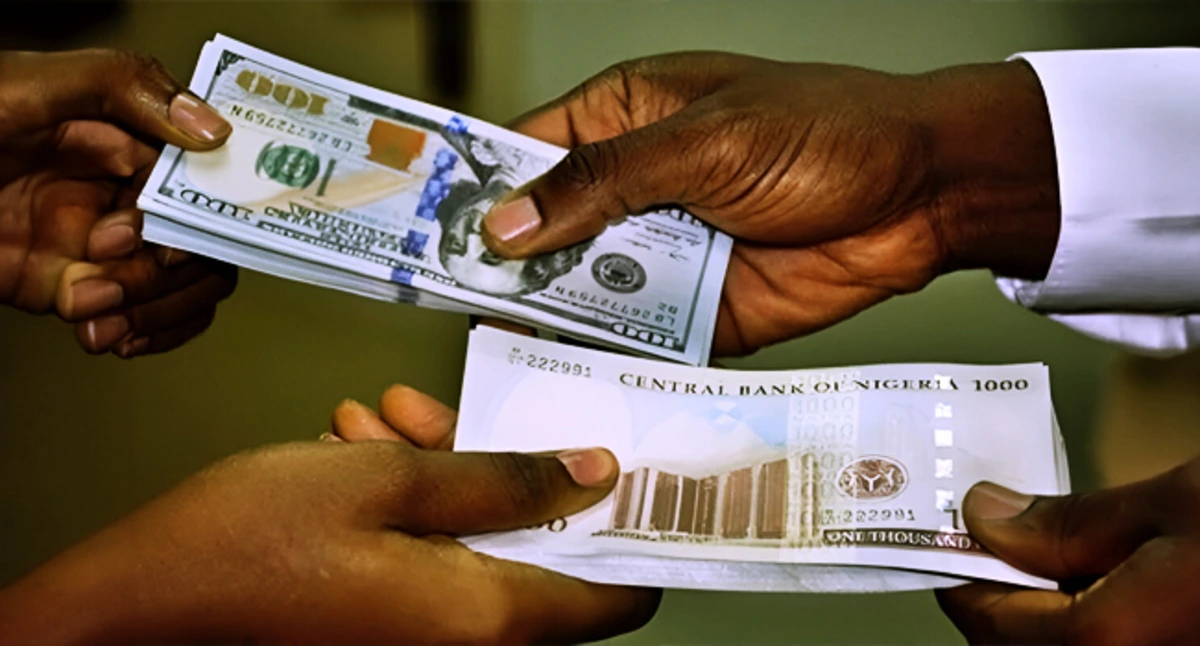
The naira’s outlook swung marginally into a bearish mode as the CBN is expected to keep rates unchanged amid a soaring US dollar and increased cost in petrol.
This conservative baseline aligns with current policy dynamics: headline inflation stands at 15.39% (August 2026 rebased series); month-to-month deceleration remains persistent; and the Central Bank of Nigeria (CBN) maintains a defensive stance due to fiscal dominance, high domestic debt servicing costs (public debt exceeding N159.35 trillion), and risks associated with energy and fuel-price pass-through.
A cautious or slow-moving monetary policy committee (MPC) would support a mixed-to-firmer naira outlook in the near term by preventing an influx of local liquidity.
The naira’s potential for appreciation remains limited unless non-oil export volumes or oil production receipts outperform local foreign exchange demand over a sustained period.
The naira is more likely to post a gradual pullback toward the $1,350/$ rate or consolidation in the short term rather than an abrupt shock or an aggressive rally.
The high Monetary Policy Rate (MPR) sustains the domestic yield premium, thereby preventing speculative flight to physical US dollars or cryptocurrency substitutes for the greenback appreciation.
The Energy/Inflation Floor: The earlier pause in interest rates in response to petrol price moderation has begun to increase transportation and logistics costs; hence, demand for foreign exchange remains sticky. Panic selling in Nigeria’s foreign exchange market may not result in a significant rally given the CBN’s cautious approach to liquidity infusion,
Slow economic growth versus price stability: Premature rate hikes could risk re-anchoring inflation expectations upward, particularly if the second-round effects in the transport and logistics sectors, including persistent food inflation at 19.57%—are indexed into core and food baskets.
The MPR set at 26.5% satisfies the return expectations on real assets, or at least reduces the negative differential in real returns, thus containing foreign exchange appetite from foreign portfolio investments (FPI/FPIs). This helps affirm the naira’s FX trajectory via official and autonomous channels.
Even with formal memorandums of understanding between the Federal Government (FG) and the CBN, structural bottlenecks—such as issues in transportation, security, and agricultural logistics keep monetary policy in a “higher for longer” stance, rather than engaging in rate-cutting driven by a process.
The dollar index currently trades at 100.22, consolidating after testing mid-summer highs near 101.6. This pattern typically correlates with tightening global macroeconomic conditions, which suppress dollar-denominated commodities.
The US dollar has depreciated approximately 2.6% this quarter, underperforming against all G10 currencies, amid renewed market fears that US policy measures may weaken the dollar.
Actions by Treasury Secretary Scott Bessent to defend the yen and monitor US bond yields contribute to this trend, as do apprehensions that Federal Reserve Chair Kevin Warsh might hike rates to combat inflation, particularly with political pressures from former President Trump seeking cheaper money.