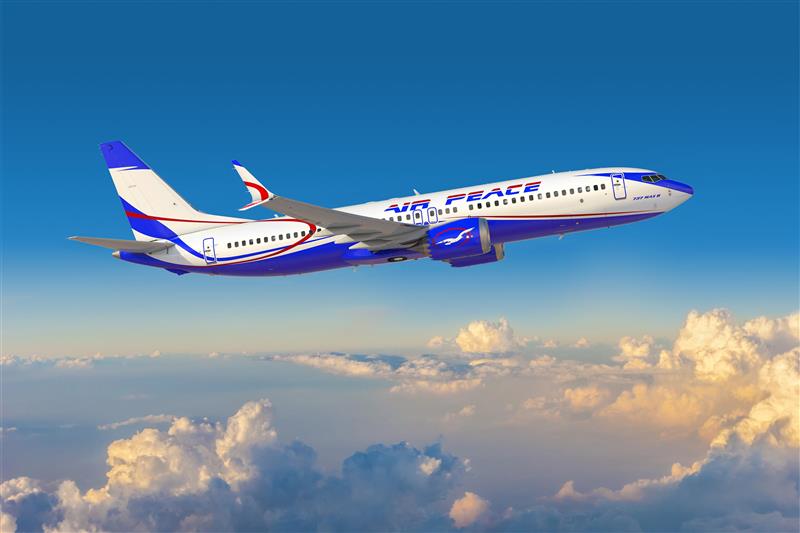
Air Peace has attributed recent flight disruptions at the Nnamdi Azikiwe International Airport, Abuja, to a shortage of Jet A1 aviation fuel and an operating restriction at the Maiduguri airport.
The airline disclosed this in a statement posted on X on Saturday, September 27, 2026, while responding to concerns over disruptions to its Abuja-Maiduguri service.
The statement followed complaints and videos shared by some stranded passengers on social media, drawing attention to the disruption and delays affecting the route.
Air Peace said the initial delays to its Abuja operations were caused by the unavailability of Jet A1 aviation fuel, which also affected other airlines operating from the airport. The airline said operations resumed for affected flights after aviation fuel became available.
However, Air Peace said the Abuja-Maiduguri service was subsequently unable to operate as planned because of a change in operating conditions at the destination airport.
The airline said passengers were informed about the delays and provided with refreshments, while passengers affected by the cancellation were given hotel accommodation. Air Peace added that arrangements had been made to operate the cancelled service the following day.
The latest disruption is not the first time Jet A1 availability has affected Air Peace’s operations. In April 2026, the airline reduced its Abuja-London service to three flights per week amid continued constraints in the supply of Jet A1 aviation fuel.
The latest disruption therefore comes against a backdrop of earlier constraints involving the supply and cost of Jet A1 for Nigerian airlines.
The latest Jet A1 supply concerns come even as Nigeria’s Dangote Petroleum Refinery has emerged as a significant supplier of aviation fuel to international markets.
The development followed a disclosure that the refinery was Europe’s largest source of imported jet fuel for the second consecutive month in July, accounting for about one-fifth of the continent’s imported aviation fuel during the period.