MSD has called for stronger private-sector participation in Nigeria’s efforts to eliminate cervical cancer, saying broader partnerships are needed to expand prevention, screening, treatment and sustainable financing.
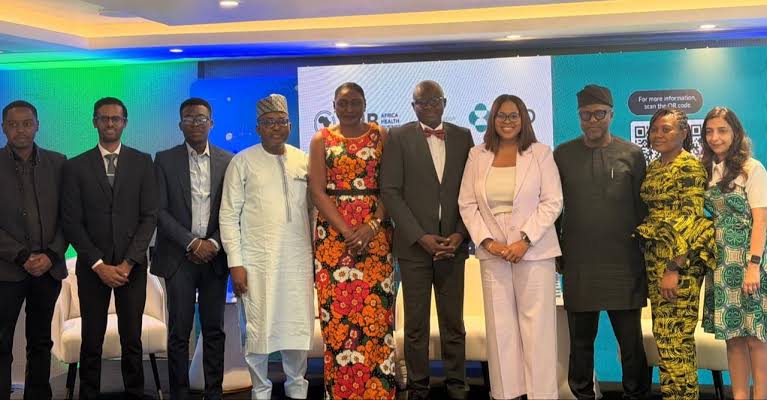
The call was made at a policy roundtable organised by MSD in partnership with Africa Health Business (AHB), themed, “Accelerating Cervical Cancer Elimination in Nigeria: Uniting Public and Private Sectors for Equitable Access,” in Abuja.
Speaking at the event, Director, External Affairs, Sub-Saharan Africa, MSD, Vuyo Mjekula, said Nigeria had made significant progress in HPV vaccination but needed to extend the gains to screening, early diagnosis and treatment.
Mjekula said more than 18 million girls had been vaccinated against HPV since Nigeria introduced the national programme in 2023, describing the progress as a strong foundation for accelerating cervical cancer elimination.
She said the changing global funding environment also made domestic resource mobilisation and stronger partnerships between government, the private sector, civil society and other stakeholders increasingly important.
According to her, private-sector representatives should have a place in national cervical cancer task forces, partnerships and technical working groups to reduce fragmentation and improve the deployment of available resources.
Mjekula said, “There’s a huge opportunity to break down fragmentation, galvanise and integrate resources so that the resources can be deployed to the most impactful areas and build efficiencies in general.”
She also advocated integrating cervical cancer screening and other preventive services into women’s routine healthcare, rather than treating maternal health, HIV, sexual and reproductive health and other services as separate interventions.
Mjekula disclosed that MSD had also supported catch-up HPV vaccination for girls up to age 20 who were not covered when the national programme was introduced.
She added that MSD was working with Gavi and UNICEF on access to higher-valency HPV vaccines in Africa, while the company had invested more than $44 million in Nigeria over the past decade through its MSD for Mothers initiative to support civil society organisations working in maternal healthcare.
On cancer care more broadly, Mjekula said MSD was working with City Cancer Challenge in Abuja to identify gaps and develop solutions for improving oncology services.
Also speaking, Director, Disease Control and Immunisation, National Primary Health Care Development Agency (NPHCDA), Dr Rufai Ahmed Garba, said Nigeria had vaccinated more than 18 million adolescent girls against HPV, representing about 76 per cent of the target population.
Garba said the vaccine was introduced into the national programme in October 2023 and was now part of routine immunisation, with free vaccination available to nine-year-old girls at public health facilities.
He, however, said vaccination alone would not eliminate cervical cancer, stressing the need to strengthen screening, early diagnosis, treatment and follow-up.
He said Nigeria records about 12,000 new cervical cancer cases and nearly 8,000 deaths annually, underscoring the need for a comprehensive response to the disease.
“If it is not diagnosed early, if it is not treated early, it leads to death. So, that’s what all of this is about—not just the vaccination, which NPHCDA does, but also how we are able to get women to screen them, to catch them early, treat them and follow them up till they actually get better,” he said.
Garba said the government had adopted school-based vaccination and outreach programmes to improve access, while adolescent-friendly health services could provide safe spaces for young people to access information and preventive care.
Nigeria has identified cervical cancer elimination as a national health priority, with the country’s strategy aligned with the World Health Organisation’s 90-70-90 targets covering HPV vaccination, screening and treatment.
The roundtable brought together stakeholders from government, healthcare, public health, the private sector and cancer advocacy groups to discuss ways of strengthening Nigeria’s cervical cancer prevention and care continuum.
We’ve got the edge. Get real-time reports, breaking scoops, and exclusive angles delivered straight to your phone. Don’t settle for stale news. Join THISTIMES on WhatsApp for 24/7 updates →
Join Our WhatsApp Channel