By Olamide Ojuokaiye, Lagos; Iniobong Ekponta, Uyo; David Tarka, Abuja And Felix Igbekoyi, Asaba
Some military widows are facing emotional and legal battles with their late husbands’ families after allegedly being denied access to benefits due to their deceased spouses.
The widows said disputes over the designation of next of kin have become a major obstacle, with some alleging that their in-laws have blocked them from accessing funds meant to support them and their children, forcing some of them to seek legal redress in court.
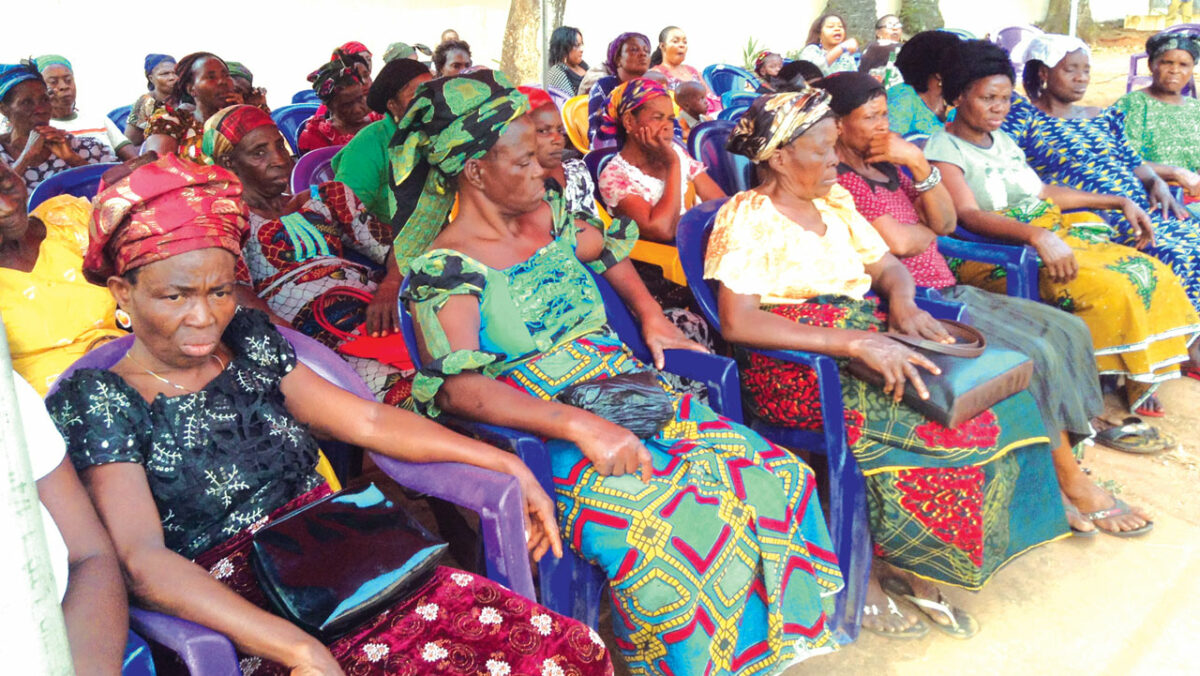
Only recently, the newly elected Zamfara State coordinator of the Widows of Officers Association, Maijjida Muhammad, confirmed the challenges confronting the widows, saying more than 300 women in the state were affected by disputes over their late husbands’ benefits.
According to her, many of the affected women had only recently married before their husbands died, while some were pregnant at the time of their husbands’ deaths. Others are caring for underage children and said they have been forced to challenge their late husbands’ families in court over access to the benefits.
Rukayat Adiza , a widow who spoke during their election of new leadership said , “Our major challenge is that husbands’ families are not allowing our women to have access to their spouses benefits. Some have had to challenge them in court. This isn’t funny, and the military is not intervening. They take these monies and leave us with nothing,” the widows alleged.
The widows appealed for urgent intervention to resolve the next-of-kin disputes and ensure that benefits meant for surviving spouses and children are accessible to them.
Another Widow, Zainab Muhammad said the situation was particularly difficult for families already struggling to care for children left behind by military officers who died while serving the country. “Our kids are at home, with no sponsorship, and some are just roaming the streets, she said, calling for immediate action to prevent the affected families from being left without financial support.
In Cross River State, a widow, Mrs Ekaette Edem, who trades opposite Eburutu Barracks, 8 Mile, Calabar, lamented that a substantial number of military widows were without support.
Mrs Edem, who revealed that about 30 per cent of women whose husbands paid the supreme price while serving the country had yet to access their life insurance and death benefits, said she did not want to mention her husband’s name and rank to avoid being trailed.
She said that, in her own case, her brother-in-law pretended to pamper her and her children during their mourning period, making her trust him enough to sign that the money should be paid into his account.
However, she said her children later received information that their uncle intended to travel out of Calabar with the money, forcing her to rush to court to halt the payment.
She also confirmed that some widows who could not withstand the pressure from their supposed in-laws developed health complications and eventually passed on.
“We are suffering, but our widows’ coordinators, who know our state, are now feigning ignorance because their spouses are at the helm of affairs,” she said.
“I sell bread, akara and Akamu for survival. We are suffering,” she added.
In Lagos, one of the widows, Maryam Salisu, told LADERSHIP Weekend in Lagos that the death of her husband in 2018 triggered a prolonged dispute with his family over his military benefits, which she said were needed to cater for the education and welfare of their two children.
She said, “I went through a lot with them because everything changed after the death of my husband. Of course, the issue is money. They want it all, but since I have children, I cannot give them everything because my children’s education matters. ”
Salisu, whose husband was from Auchi but died in Maiduguri, where he was buried, said her late husband’s relatives initially asked her to marry one of them, a proposal she rejected because she had just lost her husband.
She said the dispute intensified after the family began demanding the benefits, which she said amounted to N4 million. According to her, the family also took and sold her late husband’s car shortly after his death, further worsening the relationship.
“I never argued with them, but I did not give them the money that they said I should bring home. That is where the problem started,” she said.
She said the disagreement later degenerated into repeated insults and a court case, alleging that one of her late husband’s younger brothers called her derogatory names over the telephone.
Mrs Salisu said she eventually reported the matter to the authorities, after which the insults stopped. She added that the family later accused her of withholding their late brother’s money and preventing them from seeing his children, allegations she denied.
“They even took me to court. They were like, she chopped our brother’s money, and we want the money,” she said.
She said the court questioned the family over whether they were responsible for feeding the children or paying their school fees, to which they replied no.
Despite the prolonged dispute, Salisu said she had continued to encourage her children not to hate their paternal relatives. She said she had chosen to leave the matter to God, even as the experience continued to affect her emotionally and physically.
“Up till date, we don’t talk. Its eight years now that I lost my husband. But I always tell my children to talk to them and not hate them. The fight is for me. I leave everything to God,” she said.
Salisu, who has a son and a daughter, also said episodes of anger or emotional distress sometimes triggered sharp increases in her blood pressure, leading to repeated hospital visits.
For another widow, Philomena Jimoh, the situation was different when the family came requesting the benefits. The Army clarified who was entitled to the benefits of her late husband, who was the eldest among his siblings.
Jimoh said her husband’s siblings initially pressured her over when his benefits would be paid.
However, she said the matter was clarified at Army Headquarters in Abuja, where the relatives were informed that they would not receive a share because both of the deceased’s parents were already dead.
“They told them that if their parents were alive, the Army would give them something from the benefit, some percentage of the money. But since the parents are not alive, there’s nothing for them,” she said.
Jimoh added that after the clarification, the pressure from the deceased’s siblings reduced, as the benefits were to be processed through her.
However, despite the outcry which was shown on national television, the President of the Military Widows Association (MIWA), Mrs Maria Emmanuel, said she was not aware of any widow being denied access to her benefits.
She added that the association has state chapters and coordinators, but such complaints had not been made to the national secretariat.
“I’m not aware and if there’s such I expect to be told by the widows,” she said.
When pressed about developments in Zamfara, she said, “We have Zamfara chapter and a coordinator. They’ve not brought such to my notice in Zamfara.”
When contacted, the Public Relations Officer of the Military Pensions Board (MPB), Flight Lieutenant Aliyu Mohammed, said the board has no business with families when it comes to payment of benefits.
According to him, the board has its guidelines on payment of benefits clearly stated, adding that online next of kins, wives, children or mothers of service personnel interact with the board in the process.
We’ve got the edge. Get real-time reports, breaking scoops, and exclusive angles delivered straight to your phone. Don’t settle for stale news. Join THISTIMES on WhatsApp for 24/7 updates →
Join Our WhatsApp Channel