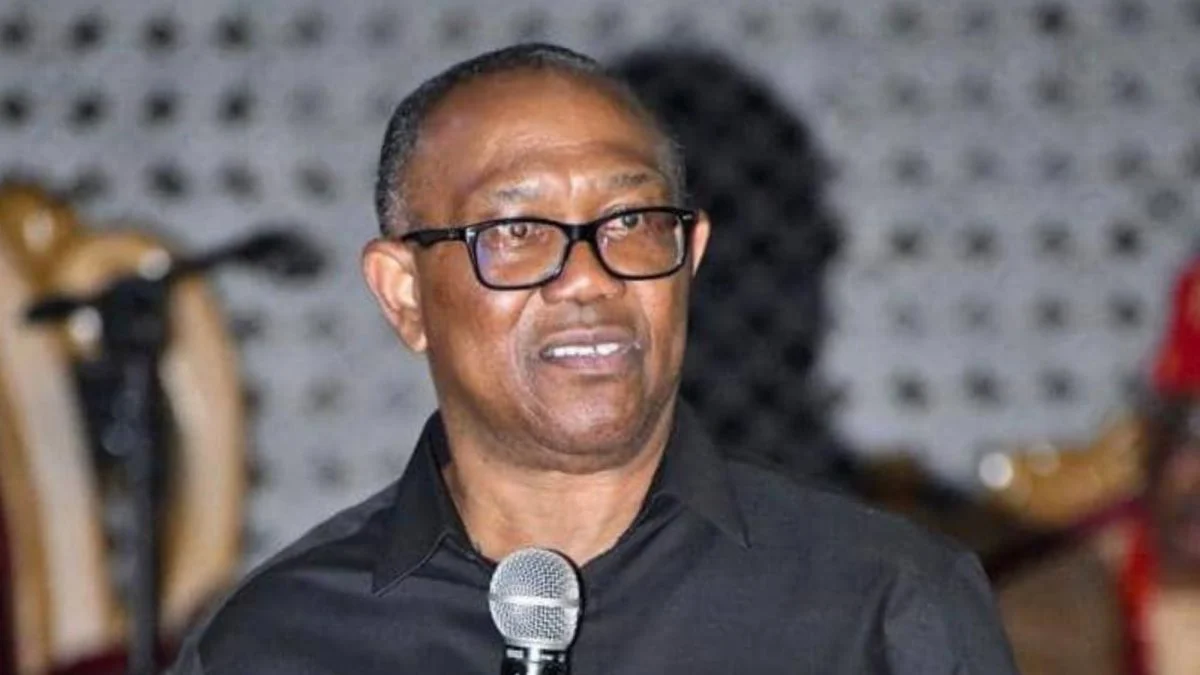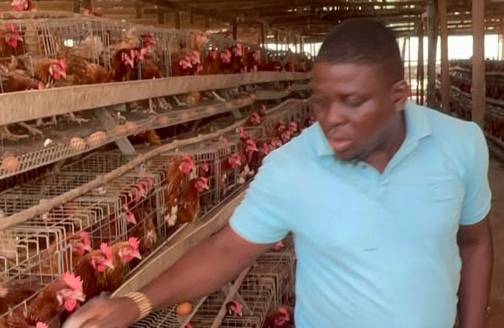
Mark, Chief Executive Officer, Nosakhare Farms Limited, while speaking to newsmen on Tuesday in Benin City , Edo State said the challenge of disease control, particularly in livestock production, could wipe out entire farms and force farmers to start all over again.
He identified access to animal vaccines, finance, electricity, hatchery services and government support as some of the major constraints confronting farmers.
He disclosed that the outbreak of swine fever has been particularly devastating to pig farmers, as the disease has no known cure once it strikes.
He recalled that his farm lost its entire pig stock to the disease in 2014, forcing him to rebuild the business from scratch and adopt stricter biosecurity and preventive measures.
He said, “In 2014, we lost all our pigs to swine fever and started from the scratch. We had to take some serious precautionary measures because livestock disease can completely eliminate a farmer’s investment.”
He disclosed that Nosakhare Farms, which started in 2009 with 15 pregnant pigs and an initial investment of about N5 million, has grown into a multi-million-naira agribusiness with interests spanning piggery, poultry and egg production, fishery, cattle, goat and crop farming.
The farm also produces some of its animal feed and supports young people interested in farming, while currently providing direct employment to 21 workers.
Explaining his decision to venture into agriculture despite the perception among some young people that farming is unattractive, Mark said the desire for sustainable livelihood and the profitability of agriculture motivated him.
“I am an entrepreneur and I like businesses that come with profit. A friend also encouraged me through his advice, and I started with pig farming before expanding into egg production, fishery, cattle and goat farming,” he said.
He, however, lamented the rising cost and unreliable availability of day-old chicks and hatchery services, noting that farmers in Edo sometimes depend on hatcheries outside the state, particularly in Ibadan.
He said the price of day-old chicks had risen sharply, making restocking expensive for farmers operating on a large scale, while high feed costs, poor electricity supply and inadequate financing further increase production costs.
Mark urged the federal and Edo State governments to prioritise farmers through accessible loans and grants, subsidised animal feeds, improved veterinary services, vaccines, rural roads and other basic infrastructure.
He said increased investment in crop and animal production would strengthen food security, create more jobs for youths and contribute significantly to Nigeria’s economic growth, adding that government support should reach genuine farmers rather than being diverted through political patronage.