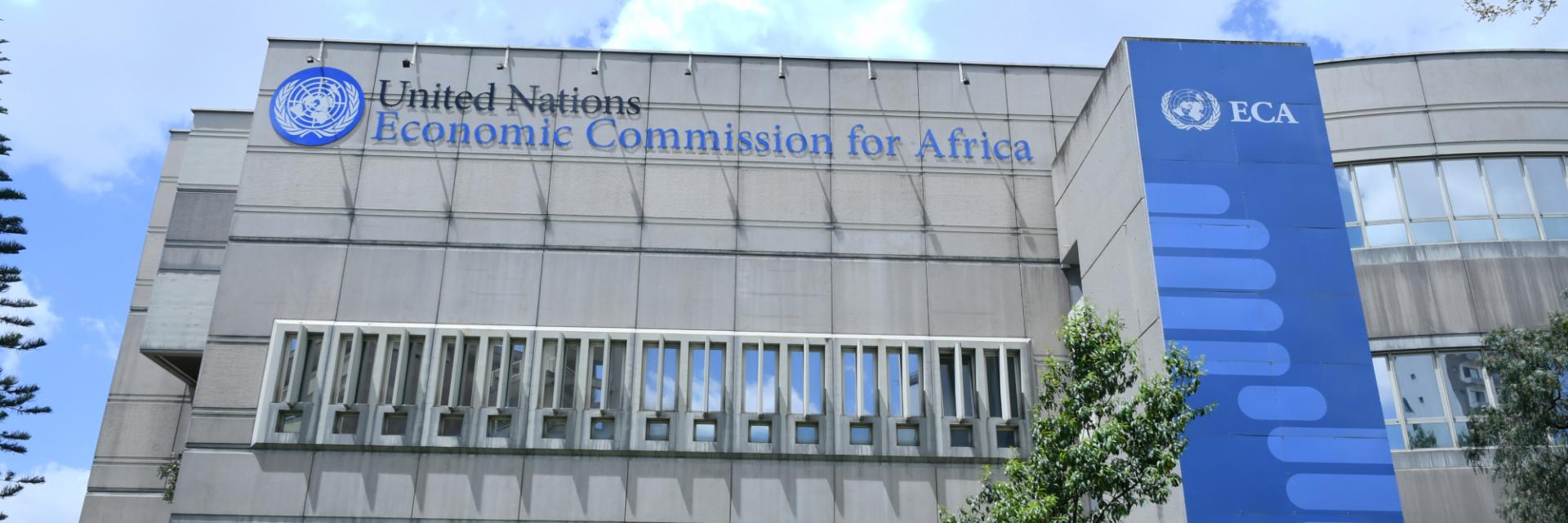
The Economic Commission for Africa (ECA) and the United Nations Population Fund (UNFPA) have inaugurated a digital platform to track the implementation of Africa’s demographic dividend roadmap.
The platform was unveiled during a three-day technical workshop in Abidjan, Côte d’Ivoire, according to an ECA statement issued on Wednesday in Abuja.
The initiative was developed by the ECA and UNFPA in collaboration with Côte d’Ivoire’s Ministry of Planning and Development through the National Population Office.
The platform is designed to provide member states with a common tool to track progress, identify gaps, strengthen accountability and support evidence-based decision-making.
The digital platform supports implementation of the African Union Roadmap on Harnessing the Demographic Dividend through Investments in Youth, which was inaugurated in 2017.
Representatives from United Nations agencies in Côte d’Ivoire and senior officials from the country’s Ministry of Planning and Development also participated.
The ECA Director of its Sub-regional Office for West Africa, Ngone Diop, participated in the opening ceremony alongside other senior officials.
During the workshop, participants tested the platform’s functionalities, strengthened their technical capacities and made recommendations for finalising its updated version, the ECA said.
He said the tool would enable Benin to better monitor and document interventions across sectors contributing to the demographic dividend.
The pilot phase represents a step towards establishing a stronger regional mechanism for monitoring implementation of the African Union roadmap.
The initiative is ultimately expected to strengthen countries’ capacity to transform demographic change into investments, opportunities and tangible development outcomes for African populations.
Africa’s rapidly growing and youthful population is increasing the need for countries to convert demographic growth into productive employment, skills, and economic opportunities.
Nairametrics also reported in July that Nigeria’s population reached an estimated 242.4 million in 2026, with a median age of 18, underscoring the country’s youthful demographic profile.