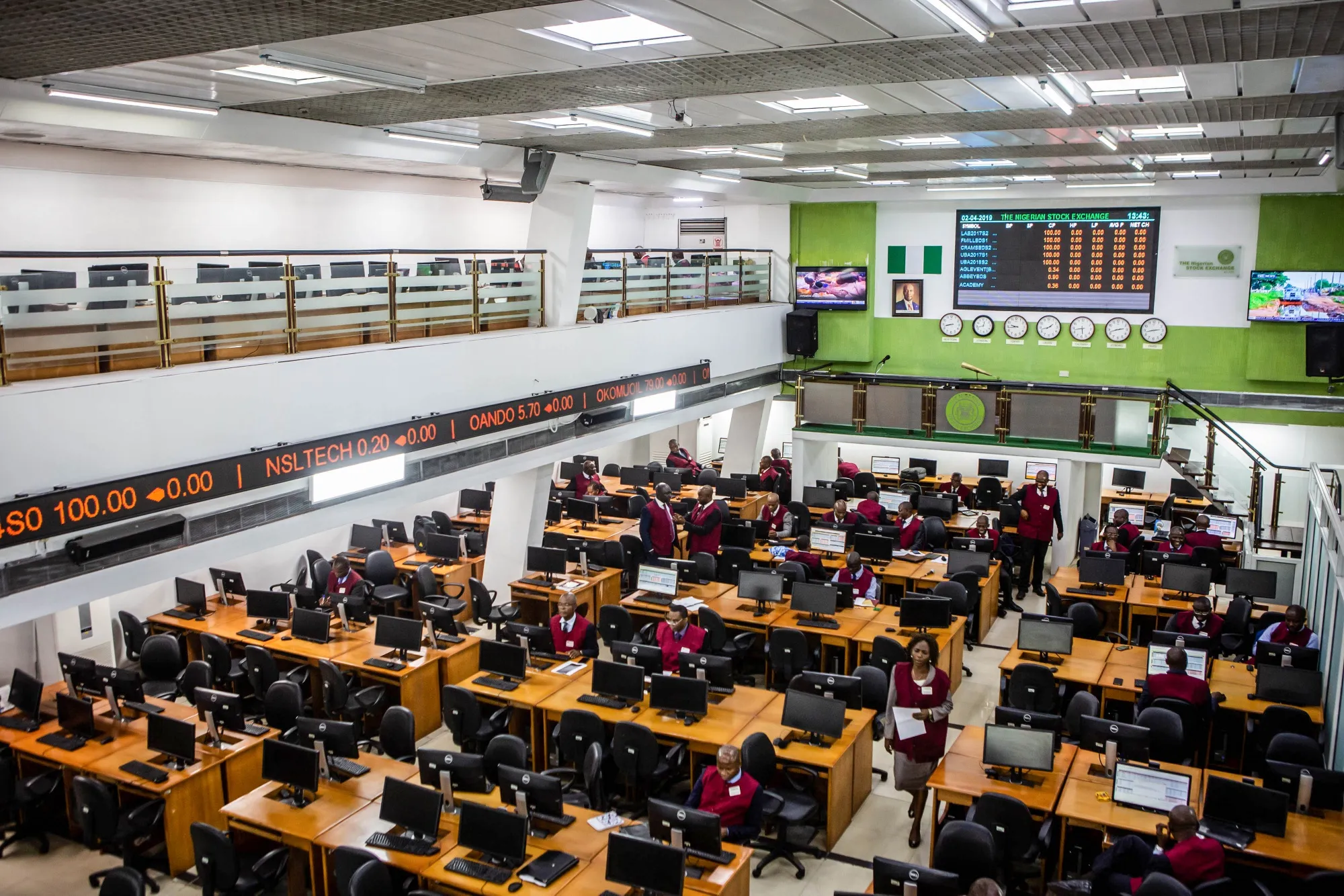
Government securities dominated new and supplementary listings on the Nigerian Exchange (NGX) in the first nine months of 2026, accounting for approximately N11.08 trillion, or 80% of the N13.86 trillion in identifiable listing value recorded during the period.
This is according to the latest Nigerian Exchange Regulation (NGX RegCo) X-Compliance Report, published last weekend, which detailed securities admitted to the Exchange during the year.
The figures highlight the significant contribution of government securities to capital-market activity, with Federal Government instruments alone accounting for approximately N10.535 trillion.
Schedule 10 of the NGX RegCo X-Compliance Report recorded approximately 109 transactions involving government securities, corporate debt, rights issues, public offers, private placements and other instruments. Federal Government securities represented the largest single category by listing value.
Together, the Federal Government securities, Sukuk and Lagos State bonds accounted for approximately N11.08 trillion, leaving about N2.78 trillion attributable to corporate and other non-government transactions.
The concentration of government securities reflects the continued use of existing FGN bond lines to mobilise financing through the domestic capital market. Several instruments appearing prominently in the NGX RegCo report were also featured in recent Debt Management Office (DMO) bond auctions.
Other major listings in the NGX RegCo report included N888.63 billion of the 16.79% FGN September 2036 bond, N817.07 billion of the 19.00% FGN February 2034 bond and N1.370 trillion of the 17.95% FGN June 2032 bond.
Nairametrics also reported in September that the June 2038 bond had become an important source of Federal Government borrowing in 2026, having been reopened several times since its introduction in 2023.
The N11.08 trillion government-related listing value represents approximately four out of every five naira in identifiable new and supplementary securities listings during the first nine months of 2026. Corporate and other non-government transactions accounted for the remaining N2.78 trillion.
The DMO’s domestic borrowing programme has remained an important source of activity in Nigeria’s fixed-income market.
The figures therefore illustrate the scale of government-related securities entering the market and the extent to which Federal and State Government debt instruments continue to shape Nigeria’s capital-market listing activity.