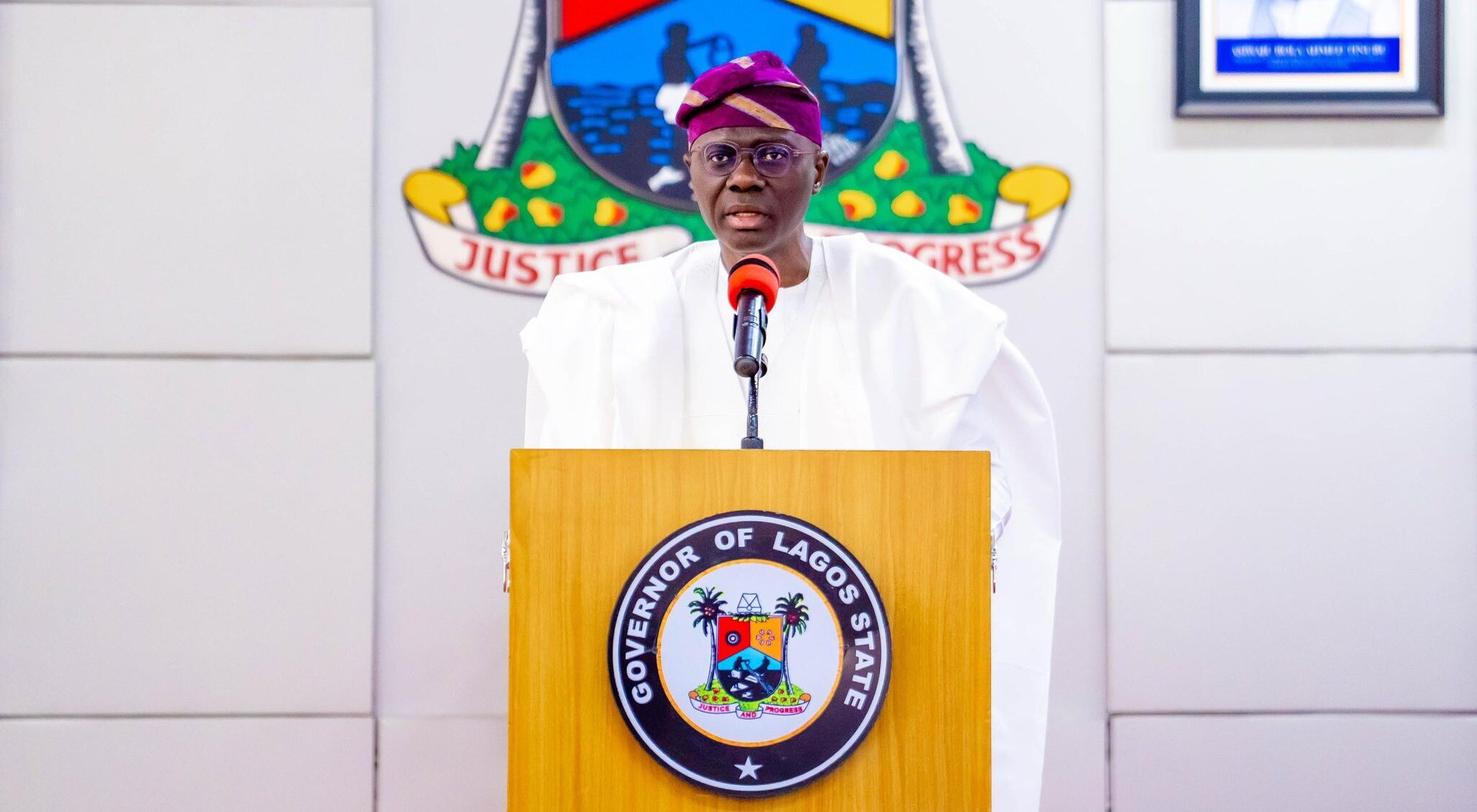
The Lagos State Government has opened its Series 5 Fixed Rate Bond offer to raise up to N200 billion under its N1 trillion Debt and Hybrid Instruments Issuance Programme.
The offer opened on Friday, October 9, 2026, and is scheduled to close on Friday, October 16, 2026.
It will be priced through book building, with indicative coupon guidance of 16.50%–16.75% per annum.
Proceeds will finance priority infrastructure projects, including the Blue Line rail extension, hospital construction and the Omu Creek Road and bridge project.
The issuance follows Lagos State’s N244.82 billion dual bond transaction in November 2025, comprising a N230 billion 10-year conventional bond at 16.25% and a N14.82 billion five-year green bond at 16%.
For the latest offer, the proposed allocation directs N122.16 billion, or 61.1% of gross proceeds, towards the Blue Line rail development.
The final coupon will be determined through book building.
Principal repayments begin after the three-year moratorium and continue semi-annually over the remaining seven years.
As principal is repaid, the outstanding balance and the coupon received in naira terms will decline.
The proposed terms also allow Lagos to redeem the bond at par, wholly or partly, on a coupon payment date after five years, subject to approvals and the required notice. Investors could therefore receive their remaining principal before the stated 10-year maturity.
Lagos’ revenue growth and cash generation provide support for the issuance.
For investors expecting further cuts below 23%, the Lagos bond provides an opportunity to lock in a fixed coupon before yields on new investments potentially fall.
However, the proposed coupon does not offer a premium over the latest comparable FGN auction benchmark.
The investment case consequently rests partly on securing today’s income ahead of possible further yield declines, alongside Lagos’ credit strength and repayment structure.
Investors should compare the final coupon with prevailing FGN yields, allowing for differences in tax treatment, liquidity, and principal repayment schedules.
If market yields fall after issuance, the bond resale price could rise, creating a potential capital gain for investors who sell before maturity.
Repayment arrangements provide additional support. The proposed structure combines contributions from Lagos’ Consolidated Debt Service Account with deductions from federal allocations through an Irrevocable Standing Payment Order, subject to final approval.
These contributions will enter a sinking fund administered by joint trustees for bondholders. Monthly funding is projected at N3.40 billion during the first three years, increasing to N4.57 billion thereafter.
The bond offers fixed semi-annual income, with the final coupon determined after book building.
Investors should assess returns after applicable taxes rather than assume the advertised coupon is their net return.
The main concern is pricing. Lagos’ indicative coupon of 16.50%–16.75% is below the 16.79% yield recorded for the comparable 10-year FGN bond at the September auction.
Against that sovereign benchmark, the offer provides no additional yield to compensate investors for taking Lagos State’s credit risk.
If the naira weakens, the naira value of these foreign-currency obligations and the cost of servicing them would rise.
Since the State earns most of its revenue in naira, this could absorb more revenue, reduce funds available for other obligations, and weaken its capacity to service the bond.
The proposed issuance would add to its existing debt burden.