Ghana is planning to ban the export of unprocessed minerals by 2030 as part of efforts to strengthen domestic processing, increase revenue from its natural resources and accelerate industrialisation.
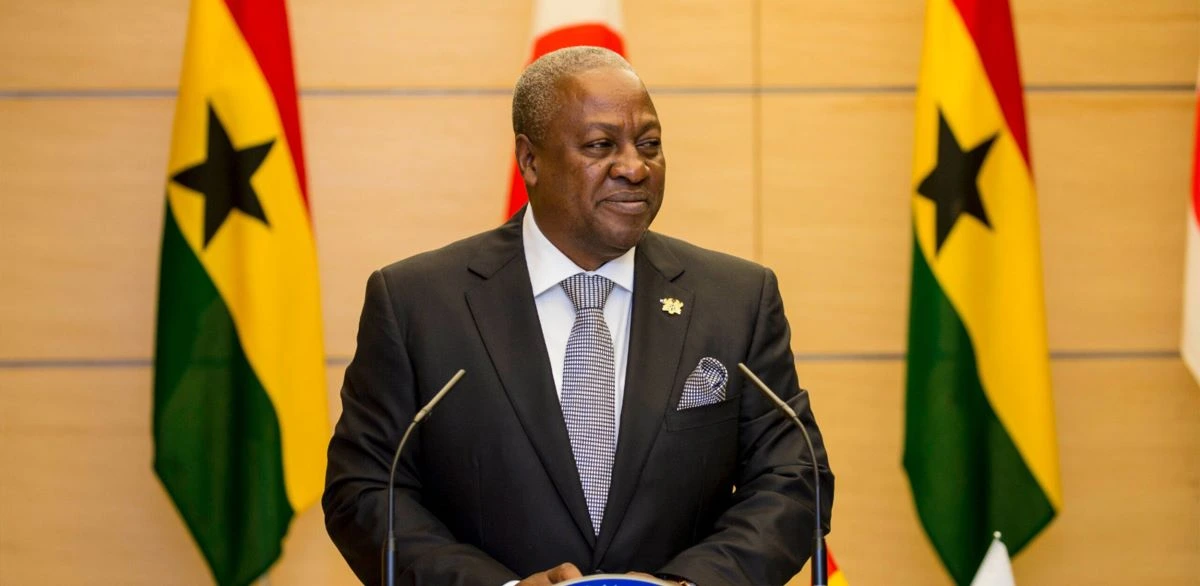
President John Dramani Mahama disclosed this on Monday, October 19, 2026, while addressing the Mining in Motion Summit in Accra.
The proposed restrictions come less than two months after Ghana, Africa’s largest gold producer, prohibited the export of unrefined gold doré purchased under approved artisanal and small-scale mining offtake arrangements.
Mahama said the government intends to move away from exporting raw mineral resources towards developing domestic industries capable of processing them into higher-value products.
The policy would affect several minerals that contribute to Ghana’s mining industry, including manganese, which is widely used in steel production to improve strength and durability, as well as in batteries and other industrial applications.
Mahama further stressed that mining companies seeking access to Ghana’s mineral deposits would be expected to invest in domestic processing, with such obligations incorporated into mineral agreements.
The proposed 2030 ban builds on Ghana’s earlier decision to prohibit exports of unrefined artisanal gold doré purchased through approved offtake arrangements, a restriction that took effect on September 1, 2026.
Under the directive issued by the Ghana Gold Board (GoldBod), licensed self-financing aggregators must ensure that gold purchased through approved offtakers is refined at designated facilities within Ghana before export.
The Democratic Republic of Congo has also imposed limits on cobalt exports to regulate supply, while Guinea, Burkina Faso, Mali and Ivory Coast have either established gold refineries or announced plans to develop them.
These initiatives reflect a broader shift across Africa towards developing domestic mineral value chains, increasing industrial output and capturing a greater share of the economic benefits generated from the continent’s natural resources.
Beyond export restrictions, Ghana is introducing additional measures to increase the value retained from its mineral resources, including domestic gold purchases, local refining requirements and a revised royalty framework.
Under the framework, gold producers pay royalties ranging from 5% to 12%, with the highest rate applying when international gold prices reach approximately $4,500 per ounce.