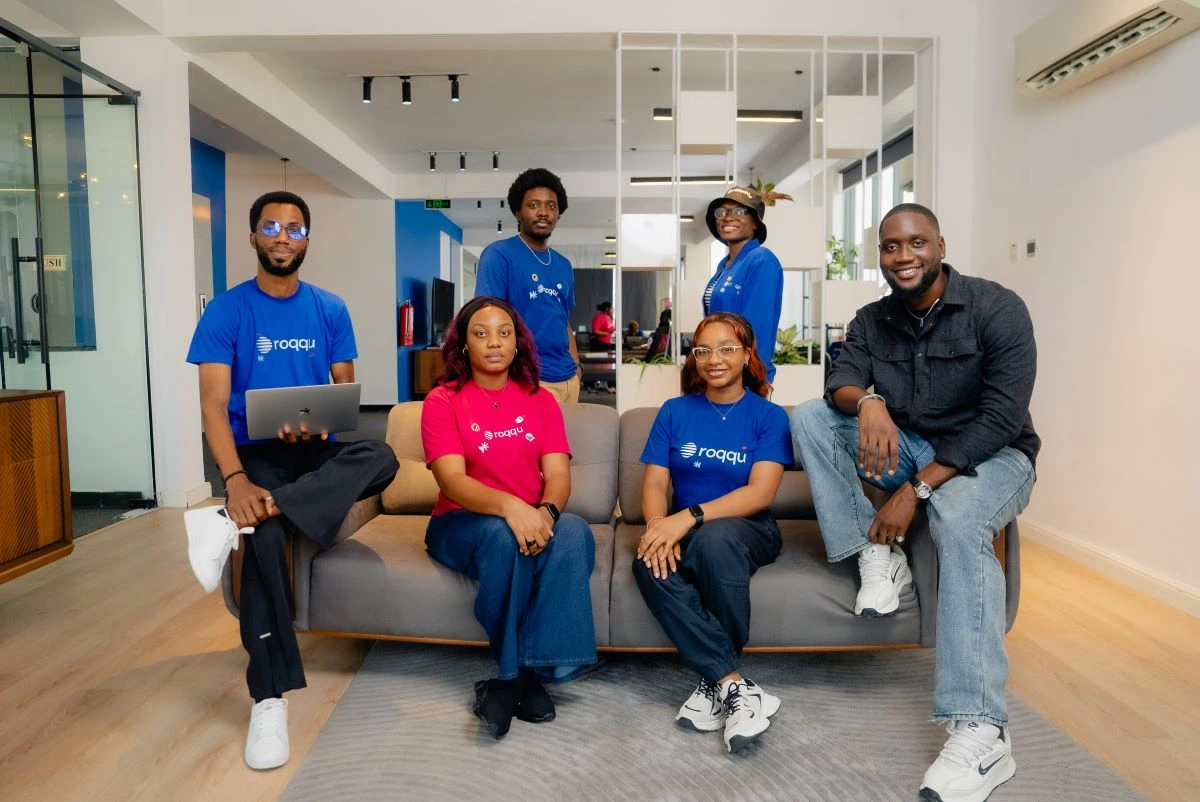
Tokenization will drive the next $10 trillion in on-chain assets, according to Roqqu Chief Executive Officer Eseoghene Onomor, as the digital asset company works to build infrastructure that could connect Nigerian stocks with investors across global markets.
The company says it is looking beyond cryptocurrency trading to develop technology and distribution channels that could make Nigerian equities more accessible through blockchain-based financial infrastructure.
The Dangote Refinery initial public offering (IPO) has renewed attention on the scale of investment opportunities in Nigeria.
However, Roqqu says its broader ambition is to expand access to locally issued assets beyond Nigeria’s borders by developing digital channels through which global investors could participate in the domestic capital market.
According to the company, financial markets have moved from paper certificates to electronic record-keeping systems, improving how securities are recorded, managed and transferred.
It added that tokenization represents another stage in this evolution by using blockchain infrastructure to create digital representations of assets.
The company says stablecoins, which represent fiat currencies such as the US dollar as digital tokens, have emerged as an established use case for tokenization, allowing value to move across blockchain networks and integrate with digital financial services.
He noted that for Nigeria, tokenization could create additional channels for domestic businesses to attract investment and enable investors outside the country to access locally issued financial assets.
Roqqu says it has expanded its digital financial services through stablecoin payment infrastructure, zero-gas-fee withdrawals across supported networks and access to tokenized global stocks through partnerships with established issuers such as Ondo Finance.
The company is now looking to extend that model to Nigeria’s domestic capital market.
Emmanuel Peter, Roqqu’s Head of Trading and Markets, said the company was developing the infrastructure required to connect Nigerian equities with a more accessible digital financial system.
He added that the company’s ambition extends beyond individual stock listings to the technology, distribution channels and institutional relationships needed to connect traditional finance with blockchain-based infrastructure.
If implemented, the initiative could create additional digital channels for Nigerian and international investors to access domestic equities, while providing financial institutions and technology companies with infrastructure to develop services around tokenized assets.
However, making Nigerian stocks available through blockchain infrastructure would depend on the applicable regulatory framework, the structure of the tokenized products and the arrangements for investor ownership, trading and settlement.
The opportunity, according to Roqqu’s vision, extends beyond individual stocks to the development of locally built technology that could connect African financial markets with global investment networks.
The company is positioning itself to move beyond crypto trading towards a broader financial ecosystem where users can access digital assets, stocks and other financial products through one platform.
Its longer-term ambition is to establish a two-way connection between global and African markets: giving African investors access to international financial opportunities while creating channels through which Nigerian assets could reach investors worldwide.
Such infrastructure could become increasingly important as financial institutions and technology companies explore how tokenization can support asset distribution, ownership and settlement.
Roqqu’s plans come as Nigeria’s regulatory framework for digital assets and tokenization continues to develop.
The development of a framework that addresses investor protection, asset ownership, disclosure and trading would be important to the expansion of tokenized securities in Nigeria.