The Securities and Exchange Commission (SEC) has clarified that no digital asset operator in Nigeria has obtained final registration under its Accelerated Regulatory Incubation Programme (ARIP), warning that approvals in principle do not confer full operating licences.
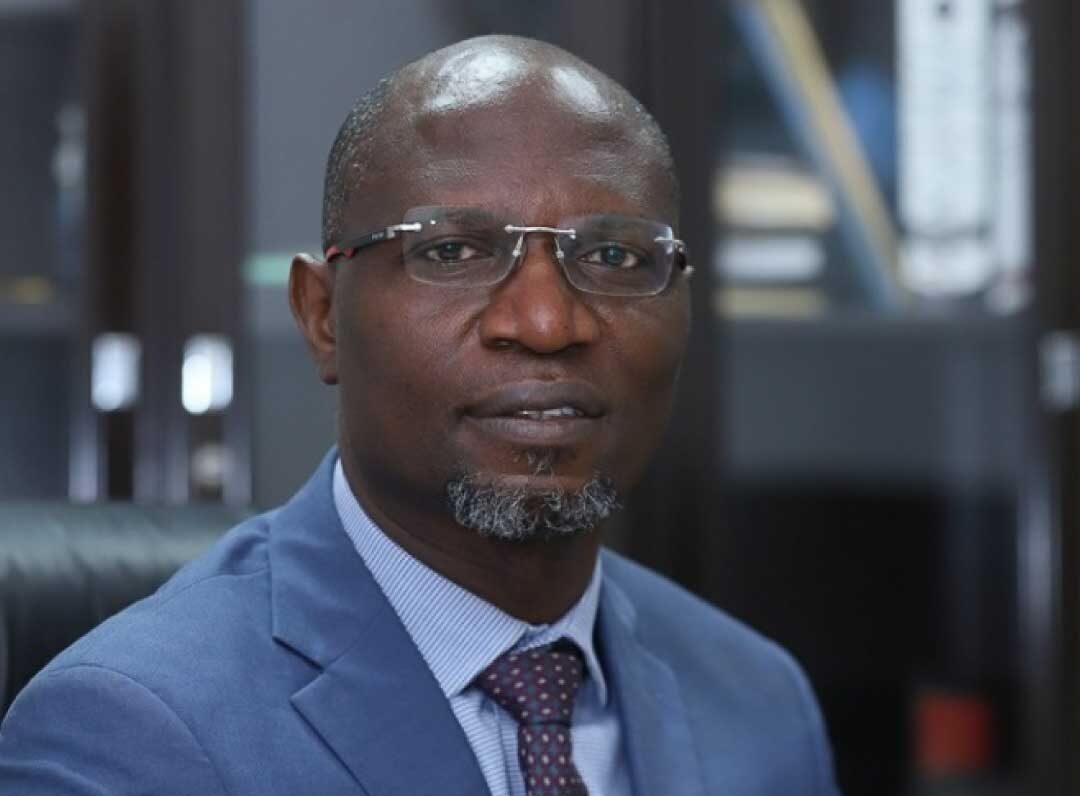
The Director General of the Commission disclosed this at a conversation on Nigeria’s digital asset framework organised by Quidax, a Nigerian digital assets exchange that received provisional approval from the SEC.
The clarification comes as the SEC strengthens its regulatory framework for digital assets, with operators expected to comply with specific restrictions while undergoing regulatory incubation.
He said approvals in principle issued under the programme remain conditional on continuous compliance with regulatory requirements and can be withdrawn if operators breach the stipulated conditions.
The Director General said participants in the programme must not conduct business beyond the activities presented to the Commission during their applications.
They are also prohibited from carrying out promotional activities and are subject to weekly, monthly and quarterly reporting requirements, alongside on-site and off-site inspections by the regulator.
The restrictions, the DG said, are designed to ensure that operators remain within the scope of activities approved for their incubation period while the Commission monitors their compliance.
The SEC said approval in principle should not be interpreted as unrestricted permission to operate, adding that participants must continue to meet the conditions attached to their admission into the programme.
The Commission said it also operates a Regulatory Information (RI) Programme under its Regulatory Information Guidelines of 2021, which allows genuinely new businesses to operate under limited or closed supervision where specific regulatory rules do not yet exist.
At the end of the incubation period, participants must apply for registration or exit the activity under a plan that protects their customers. The Commission may also terminate participation where an operator breaches the restrictions or departs from its approved business plan.
He urged digital asset businesses to engage directly with the regulator and follow the appropriate approval process rather than commence operations without the required authorisation.
Meanwhile, Buchi Okoro, co-founder and chief executive officer of Quidax, said digital currencies and assets would play a bigger role in financial transactions over the next five years as artificial intelligence becomes more deeply integrated into economic activities.
He also pointed to the potential role of AI agents, which could perform tasks on behalf of individuals and businesses and require access to funds to execute payments and other financial transactions.
He said digital assets could provide a means for such agents to make payments, given that autonomous software agents cannot directly handle physical cash.
The SEC recently admitted three new companies under its ARIP bringing the tot number of digital asset firms under the programme to 14.
The SEC had issued an Approval-in-Principle to Quidax and Busha in 2024, making them the first officially recognized crypto firms in the country.
Nigeria has also taken crypto oversight a notch higher with the recent release of Guidelines on the Taxation of Virtual Assets, which applies to companies, individual taxpayers, Virtual Asset Service Providers (VASPs), peer-to-peer (P2P) marketplace operators, and other participants in Nigeria’s digital asset ecosystem.
Under the guidelines, medium and large companies in Nigeria that earn profits from cryptocurrency and other virtual asset transactions will face a 30% income tax on their crypto gains.