Since the discovery of commercial oil deposits at Oloibiri in present-day Bayelsa State in 1956, Nigeria’s economy has been closely tied to the liquid resource found beneath much of the Niger Delta.
From the oil boom of the 1970s, which transformed the country into one of Africa’s leading petroleum producers, oil has remained central to Nigeria’s economic fortunes.
The industry still accounts for a significant share of the country’s foreign trade, contributing 47.79% of total exports in the second quarter of 2026, valued at N12.91 trillion.
Over the decades, however, the industry has undergone several transformations, navigating challenges ranging from crude oil theft and pipeline vandalism to the dominance of international oil companies (IOCs) across much of the upstream and downstream value chains.
But a gradual shift has taken place, with indigenous companies assuming increasingly prominent roles in the industry. The process dates back several decades, including the listing of Mobil Oil Nigeria in 1978 and Unipetrol Nigeria, now Oando Plc, in February 1992.
Thirty-four years later, the Nigerian Exchange (NGX) boasts seven listed oil and gas companies with a combined market capitalisation of approximately N16.7 trillion.
Behind these companies are executives with different educational backgrounds, professional experiences and leadership journeys, but a shared responsibility of navigating one of Nigeria’s most strategically important industries.
Today, Nairametrics profiles the chief executives leading these companies.
Nigeria’s leading indigenous energy company, Seplat Energy, is now under the leadership of Engr. Effiong Okon, whose appointment as Chief Executive Officer took effect on August 1, 2026.
His emergence at the helm of the company builds on more than 35 years of experience spanning some of the biggest players in the global energy industry.
Before joining Seplat, Okon, an alumnus of the University of Benin (UNIBEN), built a formidable 26-year career with Shell, holding senior executive roles across Nigeria, Europe, the Middle East, and the Americas. His experience spans petroleum engineering, reservoir management, field development, project execution, production operations, asset optimization, operational excellence, and organizational transformation across complex onshore, offshore, deepwater, and integrated gas assets.
His global footprint includes serving as Vice President of Cost Leadership and Continuous Improvement in the Netherlands, and General Manager of Deepwater and Offshore Assets in Nigeria.
Notably, at Qatar Shell, he served as Deputy Vice President Technical and Manager of the North Field. He played a pivotal leadership role in the commissioning and early production phases of the Pearl GTL Project, which is the largest GTL plant in the world, and Qatar Gas LNG Trains 7 and 8, world-class mega-projects.
The company has also reported a significant exploration development, with an estimated 157 billion cubic feet (Bcf) of natural gas and 19 million barrels of oil in place at its Aku-01 exploration well in Nigeria. The discovery could provide additional resources to support its future growth.
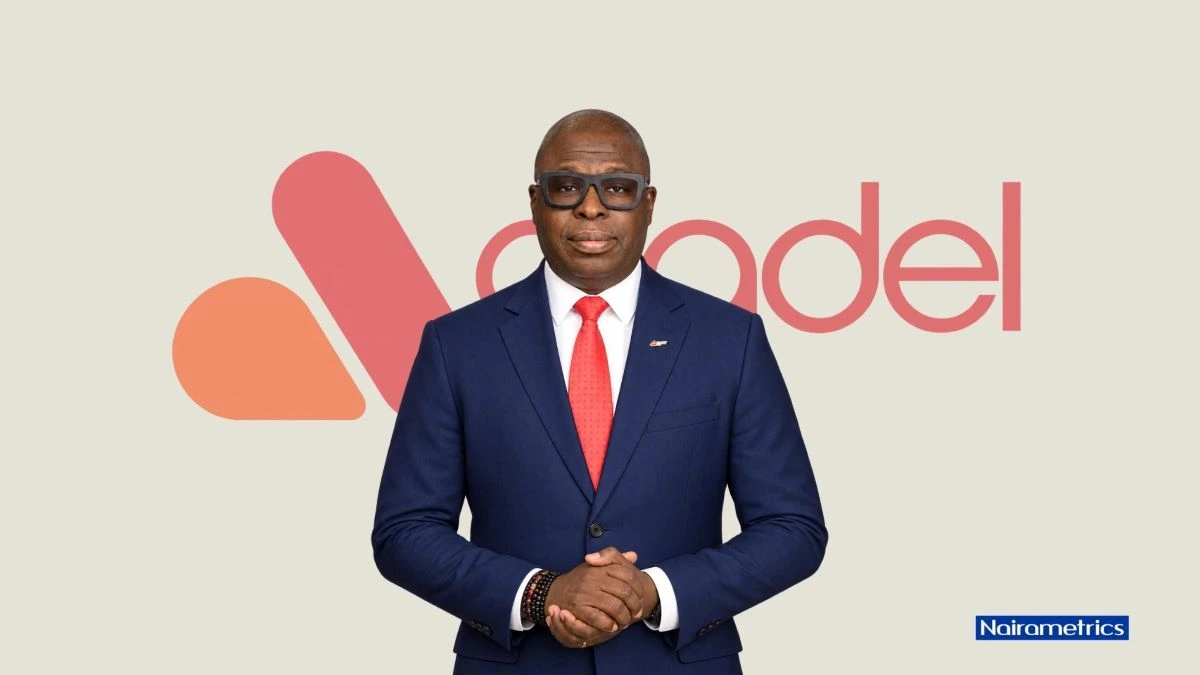
A first-class graduate of Electrical and Electronics Engineering from the University of Ibadan, Adegbite Falade, like his industry colleague Effiong Okon, built much of his early professional experience at Shell.
He joined the energy company in 1996 as an IT/SCADA Systems Engineer and rose to become Project Manager, IT Infrastructure, within five years.
Following his departure from Shell, Falade moved to Oando, where he served as Executive Director of the Gas and Power Division. He subsequently held several senior positions within the group, including General Manager, Portfolio Development, and Chief Operating Officer at Oando Energy Resources.
He also served as Managing Director and Group Chief Operating Officer of Oilserv Group of Companies, based in Port Harcourt, before joining Aradel Holdings in February 2021. The company would then be listed on the NGX less than three years later on October 14, 2024.
With an MBA from Warwick Business School in Coventry, United Kingdom, Falade joined Aradel’s board as Managing Director and Chief Executive Officer in 2021. He was also appointed Chairman of the Independent Petroleum Producers Group (IPPG) on November 1, 2025.
His leadership has coincided with a period of significant growth for Aradel. The company recorded a 154.3% increase in consolidated profit before tax to ₦764.71 billion for the nine months ended September 30, 2026, while revenue surged by 633% to ₦3.95 trillion.
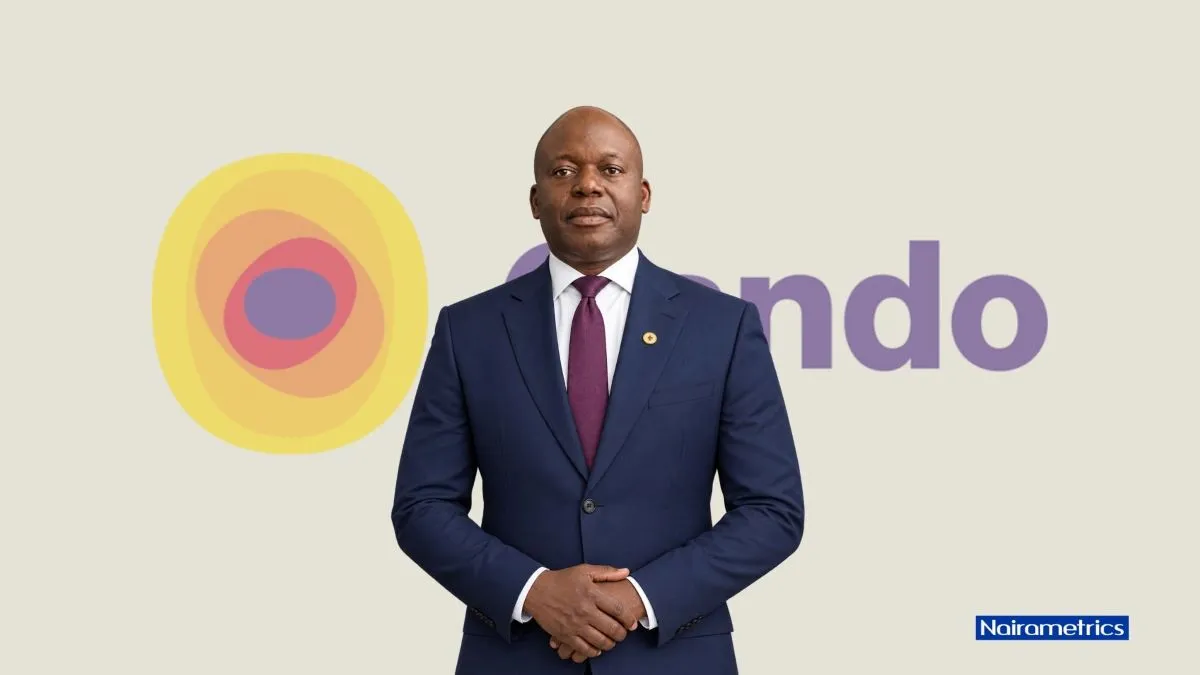
Widely known as Wale Tinubu, the Oando CEO took a different route into the oil and gas industry from the engineering backgrounds of some of his contemporaries.
His academic and professional background is in law.
After obtaining his West African School Certificate in 1983, Tinubu proceeded to the United Kingdom, where he studied law at the University of Liverpool. He later obtained a master’s degree from the London School of Economics before returning to Nigeria to attend the Nigerian Law School. He was called to the Nigerian Bar in 1990.
His legal career began at his family law firm, K.O. Tinubu & Co., where he specialised in corporate and petroleum law.
That experience provided an early foundation for his entry into the country’s petroleum industry, culminating in the co-founding of Ocean and Oil Limited in 1994.
Since then, Tinubu has overseen several major transactions that have shaped the company’s growth into one of Nigeria’s prominent indigenous oil and gas groups.
The group rebranded as Oando Plc in 2003, expanding its interests across the oil and gas value chain.
Today, Oando has a market capitalisation of approximately ₦391.6 billion, according to NGX data.
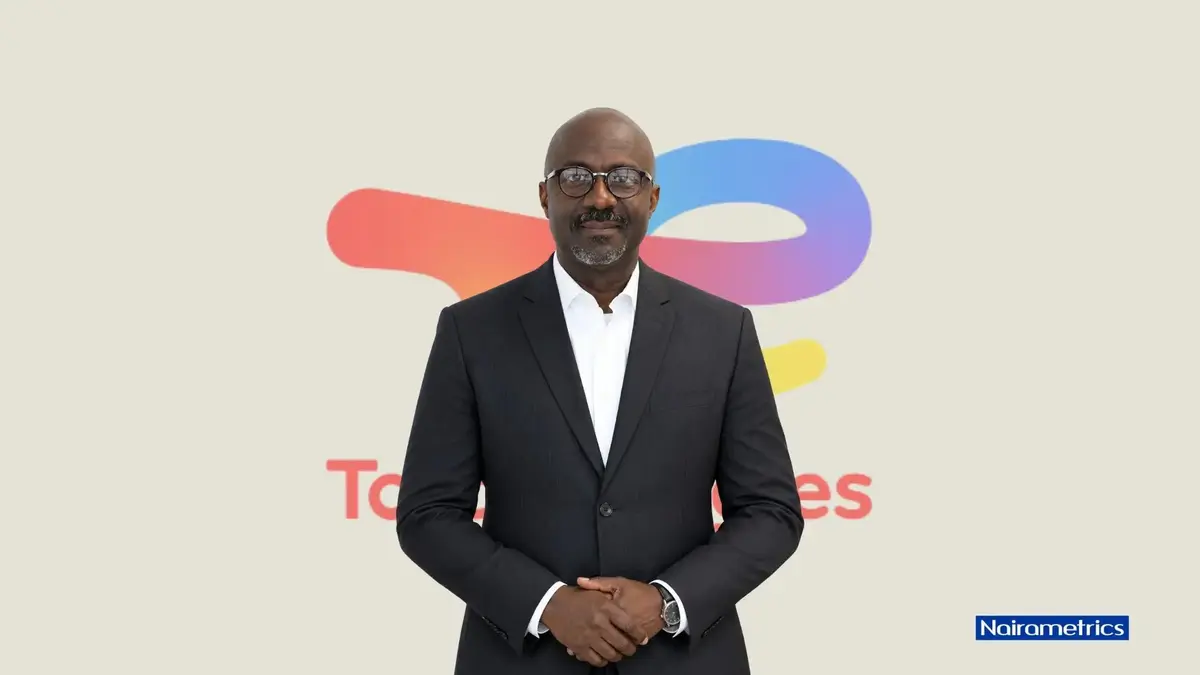
Wilfried Konde’s academic background is also outside the traditional engineering route into the petroleum industry.
He obtained a Postgraduate Diploma (D.E.S.S.) in Accounting and Business Management from the University of Abidjan in 1997 before joining KPMG, where he worked in audit for approximately two years.
His career in the oil and gas industry began in July 1999, when he joined TotalEnergies as an Internal Auditor.