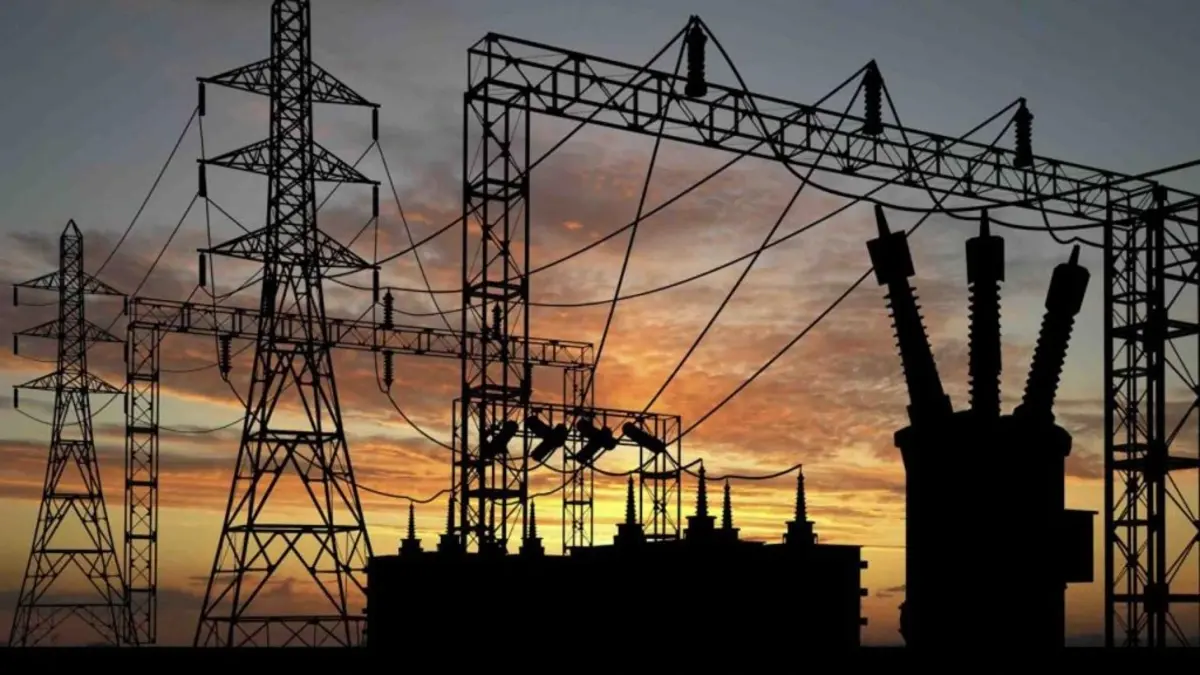
The Federal Government, through the Nigerian Independent System Operator (NISO), has attributed the recent decline in power generation, which has triggered blackouts across the country, to gas supply constraints affecting thermal power plants and reduced output from hydroelectric power stations.
The disclosure was contained in a statement issued by NISO on Thursday, November 5, 2026.
The agency said limited gas availability had constrained affected thermal generating stations from operating at their available capacity, while reduced water inflows into reservoirs had affected hydroelectric power generation.
The development has reduced the volume of electricity available for distribution nationwide, leading to shorter supply hours and increased load shedding across distribution networks.
NISO said the current decline in electricity generation on the national grid was primarily caused by constraints in gas supply to thermal power stations and reduced output from hydroelectric plants.
The agency explained that limited gas availability had prevented some thermal power stations from operating at their available capacity, while lower water inflows into reservoirs had affected the output of hydroelectric stations.
The statement partly reads:
NISO said the generation shortfall had affected the volume of electricity allocated to Distribution Companies (DisCos) for onward supply to consumers, resulting in fewer hours of electricity and increased load shedding.
It added that the level of disruption varies across the country, depending on available generation and the corresponding allocations to individual DisCos.
NISO acknowledged the impact of the ongoing generation shortfall on electricity consumers nationwide and said it recognised the concerns raised by members of the public and other stakeholders.
The system operator said it was working to diversify the national grid’s energy mix to strengthen the security of electricity supply.
It also reaffirmed its commitment to maintaining grid stability and optimising the dispatch of available generation despite the prevailing operational constraints.
The statement added:
The agency said these efforts were aimed at ensuring the continued secure, reliable and efficient operation of the national grid.
Nairametrics reported a few weeks ago that parts of Lagos and Abuja were experiencing electricity supply disruptions, with Ikeja Electric and Abuja Electricity Distribution Company (AEDC) attributing the outages to reduced power allocations from the national grid and technical faults, respectively.
The affected areas included Kado Fish Market, Life Camp Extension, Nizamiye Hospital, Diamond Court Estate, HUS Prime Estate, Decent Creation, Mab Global Estate and Idu Karmo.