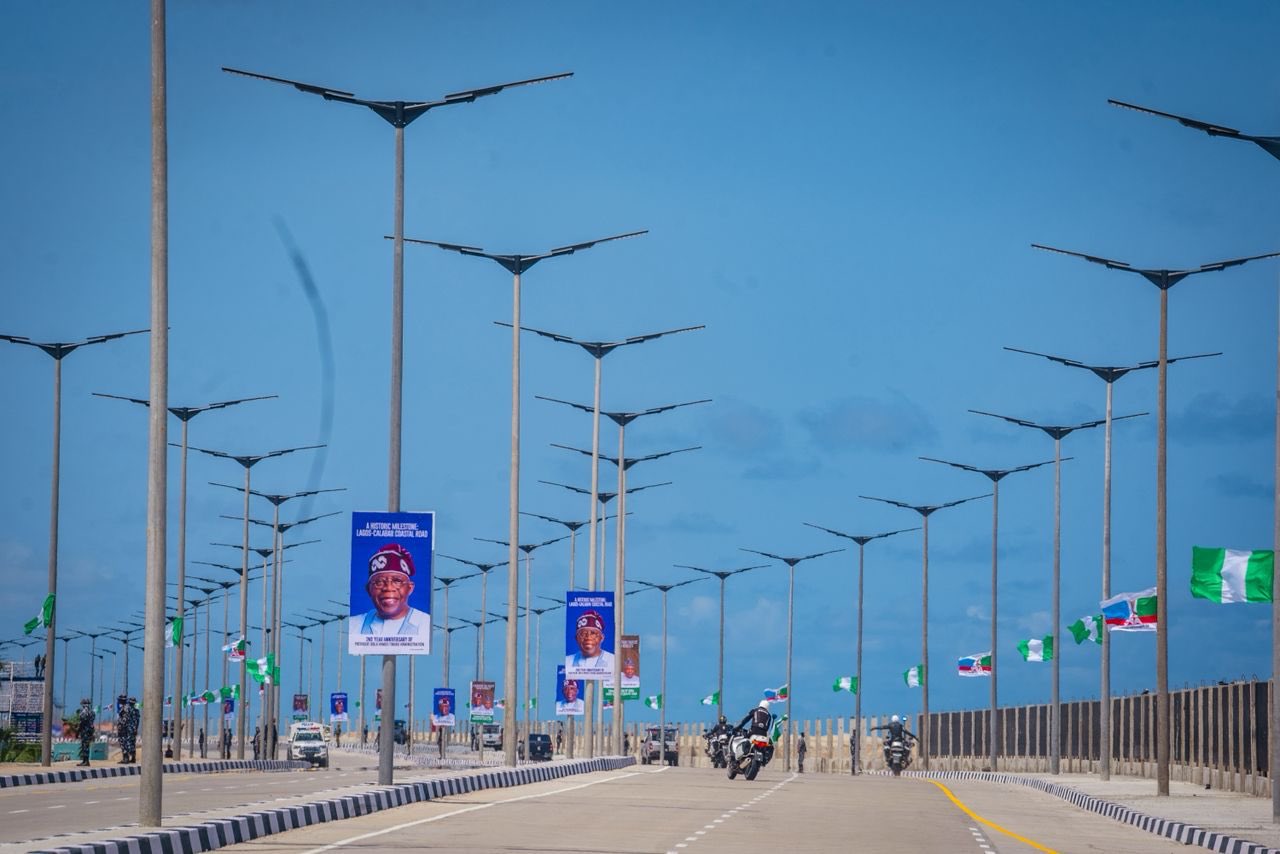
The Federal Government has banned the operation of commercial motorcycles, popularly known as okada, and tricycles on the Lagos-Calabar Coastal Highway and major bridges across Lagos State.
The directive was announced by the Federal Ministry of Works as part of efforts to protect the newly constructed road infrastructure from damage and misuse.
The Federal Controller of Works in Lagos State, Mr. Olufemi Dare, disclosed this on Sunday, saying the restriction takes effect immediately.
According to Dare, the move became necessary to preserve the quality of the highway and ensure the infrastructure delivers long-term value to Nigerians.
He explained that allowing commercial motorcycles and tricycles on the route could pose safety concerns and also contribute to early deterioration of the road.
Dare said the restriction is not limited to the Lagos-Calabar Coastal Highway alone, but also covers all bridges within Lagos under federal supervision.
He noted that the government remains committed to protecting public infrastructure and ensuring roads are properly maintained for safe use.
The Controller also announced fresh restrictions on truck operations along the corridor.
He warned that indiscriminate parking of trucks and articulated vehicles on highways and bridge sections would no longer be tolerated.
According to him, such activities obstruct traffic flow, create safety hazards, and damage road infrastructure over time.
The ministry also raised concerns over the indiscriminate dumping of refuse along highway corridors.
Dare described the act as unacceptable, warning that it contributes to environmental degradation and blocks drainage channels, which can eventually damage road structures.
He stressed that enforcement would be strict.
According to him, road signs showing the new restrictions have already been installed at strategic points across the affected routes.
He added that enforcement teams and task force officials would be stationed at key locations to ensure full compliance.
Dare described the Lagos-Calabar Coastal Highway as a “world-class infrastructure” that must be protected from abuse.
He urged motorists and other road users to comply with the new directives in the interest of public safety and infrastructure preservation.
He further stated that proper maintenance of the highway would help extend its lifespan and preserve its economic value.