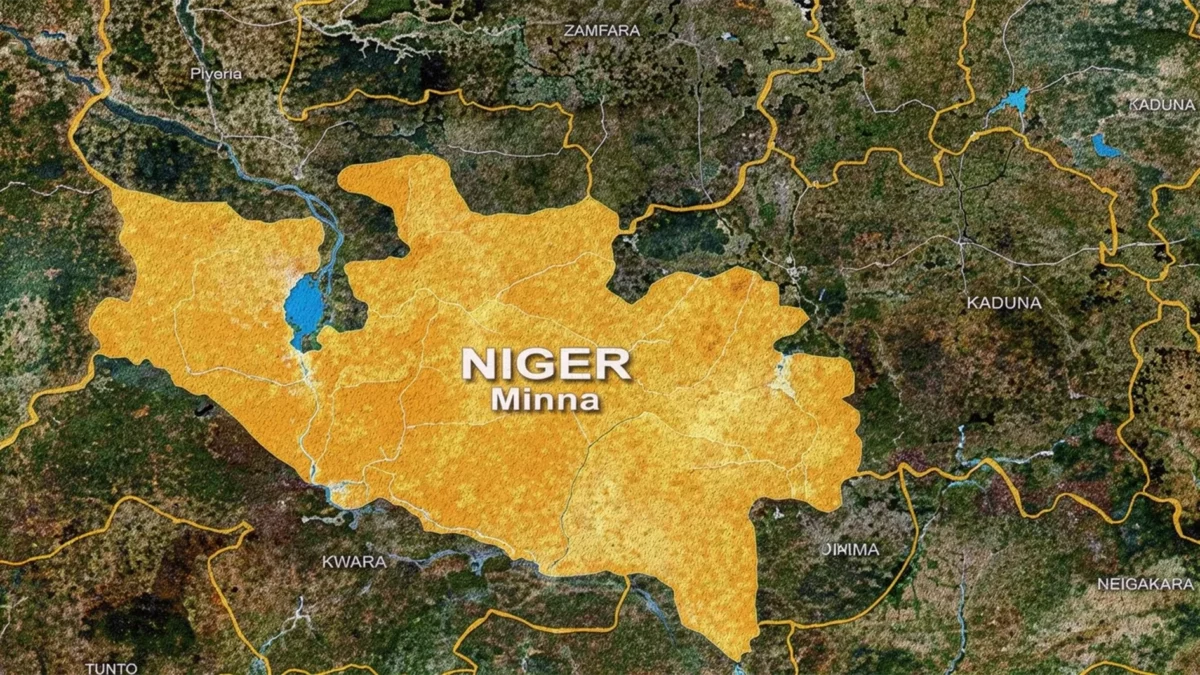
Suspected cases of diphtheria have been reported in Niger State.
Consequently, the Nigeria Centre for Disease Control and Prevention (NCDC) has pledged sustained collaboration with the state government to curtail the spread of the disease and safeguard public health.
The director of Public Health at the Niger State Ministry of Health, Dr Ibrahim Idris, confirmed that the suspected cases were reported in Fadikpe area of Minna, the state capital.
He said the outbreak has already claimed one child, while another has fully recovered, with two others evacuated to a hospital for specialised medical care in the state capital.
Idris said, “Preliminary investigations by health officials indicate that the illness, initially suspected to be an unknown disease, is likely to be diphtheria.” He said, “A team from the ministry and partners visited the affected community, interacted with the residents, examined the patients and collected samples for laboratory confirmation.”
The director added that surveillance and response efforts were going on in the area, stressing that preliminary findings revealed that some of the affected children were either partially immunised or had completely missed the diphtheria vaccine.
He reiterated that diphtheria is a vaccine-preventable disease, and therefore urged parents and caregivers to ensure their children complete their routine immunisation schedules.
Speaking to journalists, NCDC representative, Dr Ali Wada Aliyu, explained that the agency had commenced the training and equipping of IPC focal persons to provide facility-specific preparedness and response plans to strengthen the prevention, detection and management of disease outbreaks in line with national guidelines.
“The NCDC is committed to supporting Niger State through the provision of medical commodities, treatment supplies, and technical expertise to strengthen disease outbreak preparedness and response,” Dr. Aliyu said.
He emphasized that strengthening IPC measures in healthcare facilities remains critical to reducing the transmission of infectious diseases, thereby protecting both healthcare workers and patients. The training drew IPC focal persons and clinicians from all 25 local government areas of the state.
We’ve got the edge. Get real-time reports, breaking scoops, and exclusive angles delivered straight to your phone. Don’t settle for stale news. Join THISTIMES on WhatsApp for 24/7 updates →
Join Our WhatsApp Channel