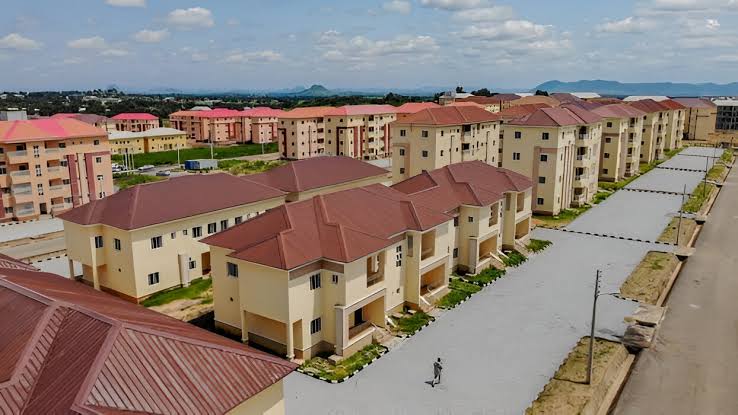
The executive director of Housing Development Advocacy Network (HDAN) and organiser of the Africa International Housing Show (AIHS), Barr. Festus Adedayo, has urged African leaders to place affordable housing at the centre of national development policies.
He declared that investment in housing is a catalyst for economic transformation and job creation.
Adedayo made the call at the close of the 20th Africa International Housing Show (AIHS 2026) in Abuja, where stakeholders from across the continent adopted a 24-point Abuja Declaration to tackle Africa’s housing deficit, particularly for low-income earners and workers in the informal sector.
The declaration called on African governments to increase investment in affordable housing, reform land administration, expand access to housing finance and strengthen partnerships with the private sector to address the continent’s growing housing challenges.
Speaking in an interview after the communiqué was adopted, Adedayo urged governments to treat housing as a strategic investment rather than a social burden.
“African governments should not see housing as an expenditure but as an investment. When you invest in housing, the economy will be transformed, and jobs will be created. This is one of the resolutions reached: that we must call on African governments to put housing at the top of their policies,” he said.
Participants at the conference, held under the theme, “Housing Solutions for Low-Income and Informal Workers in Africa,” included ministers, governors, lawmakers, mayors, development finance institutions, multilateral agencies, UN-Habitat, investors, mortgage institutions, housing cooperatives, developers, professionals, researchers, financial institutions, manufacturers, youth leaders and civil society organisations.
The communiqué, read by the chief executive officer of Financing and Partnership Africa Ltd, Mr Emmanuel Akinwuni, stated that participants unanimously agreed that affordable housing should be recognised as a strategic tool for poverty reduction, job creation and economic growth across Africa.
Among other resolutions, stakeholders urged governments to develop national affordable housing strategies with measurable annual delivery targets, increase budgetary allocations to housing and supporting infrastructure, and prioritise housing for low-income earners, informal workers, women, youths and persons living with disabilities.
They also called for the digitalised land administration, simplified land registration processes, reduced transaction costs and fast-track approval systems for affordable housing projects.
The declaration further recommended that housing finance institutions design mortgage products tailored to informal-sector workers using alternative methods of income assessment, while encouraging stronger partnerships among governments, pension funds, insurance companies, sovereign wealth funds, development finance institutions, and private investors to mobilise capital for affordable housing.
Stakeholders also advocated increased local production of building materials, wider adoption of innovative construction technologies and tax incentives for developers delivering verified affordable housing projects.
On urban renewal, participants urged governments to prioritise slum upgrading, urban regeneration, and climate-resilient settlements over forced evictions.
The communiqué further recommended integrating digital technology, artificial intelligence, and data systems into housing planning, land management, and mortgage administration, while strengthening transparency, accountability, and anti-corruption measures in the real estate sector.
To drive implementation, AIHS announced plans to establish an Annual Africa Affordable Housing Performance Index to monitor countries’ progress and an Africa Housing Innovation Network to promote research, innovation and knowledge exchange across the continent. It also resolved to sustain the 100 Champions of Affordable Housing in Africa initiative.
The declaration, unanimously adopted in Abuja on 18 July, will be presented to President Bola Tinubu, the African Union, UN-Habitat and African ministers responsible for housing as the signature legacy document of AIHS 2026.
The closing ceremony also featured the conferment of awards on individuals and organisations that have distinguished themselves in advancing affordable housing and housing development across Africa.
We’ve got the edge. Get real-time reports, breaking scoops, and exclusive angles delivered straight to your phone. Don’t settle for stale news. Join THISTIMES on WhatsApp for 24/7 updates →
Join Our WhatsApp Channel