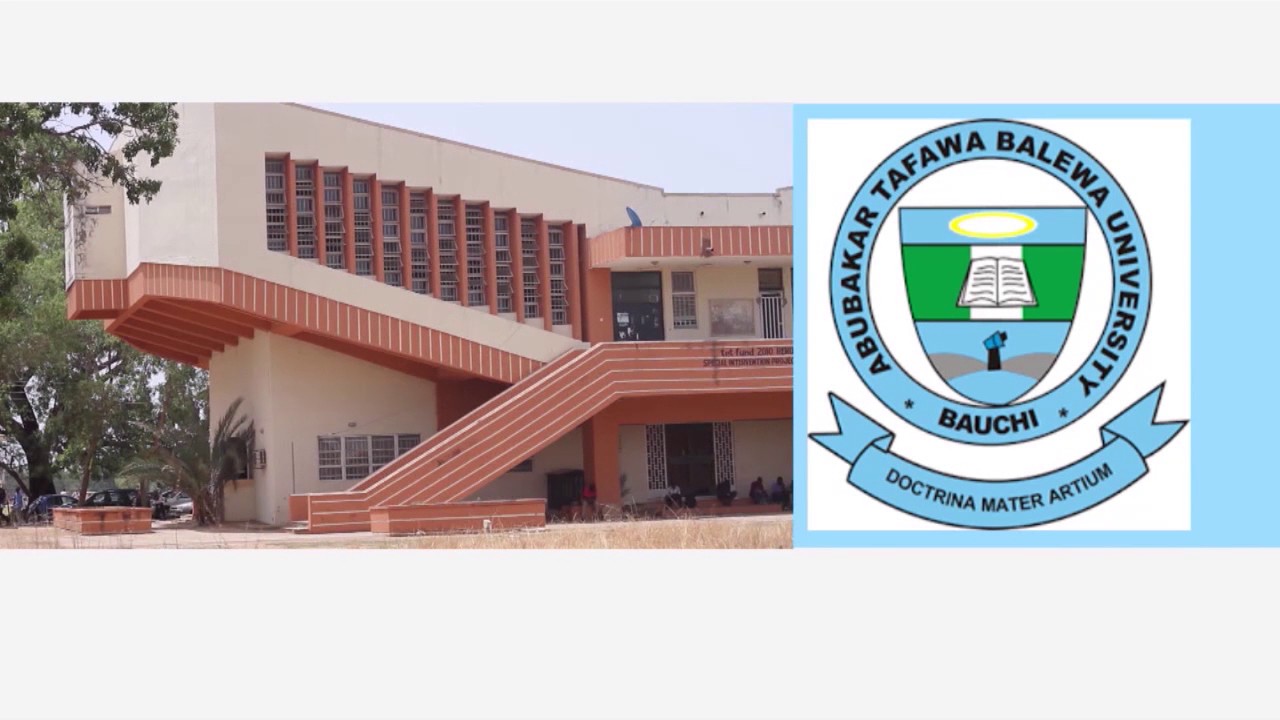
A professor of Ecology at Abubakar Tafawa Balewa University (ATBU), Bauchi, Ahmed AbdulHameed, has called for the adoption of biological solutions to tackle Nigeria’s growing environmental challenges.
He said unchecked human activities had pushed the planet beyond its natural capacity to recover.
AbdulHameed spoke yesterday whe he delivered the university’s 48th inaugural lecture at the 1,000-seat lecture theatre on the Yelwa Campus, Bauchi.
Speaking on the theme of environmental sustainability, the ecologist said rapid industrialisation, urbanisation, poor waste management and unsustainable agricultural practices had contributed significantly to the pollution of land, air, and water resources across the country.
He explained that humanity’s relentless exploitation of natural resources in pursuit of improved living standards had accelerated climate change, global warming, biodiversity loss, and ecosystem degradation, with grave implications for both the environment and public health.
Describing the situation as an “Environmental overdose,” Prof. AbdulHameed argued that the Earth has been pushed beyond its ecological limits, stressing that urgent action is required to restore environmental balance.
According to him, ecology is not merely a descriptive science but a practical discipline capable of providing lasting solutions for ecosystem restoration, food security, and sustainable development.
He noted that the current Anthropocene era, characterised by the overwhelming influence of human activities on the Earth’s ecosystems, has been driven by population growth, industrialisation, deforestation, fossil fuel consumption, intensive agriculture, excessive use of chemical fertilisers and pesticides, and growing consumerism.
The professor observed that although advances in agriculture including irrigation, mechanisation, fertiliser application, and pesticide use have boosted food production, they have also triggered unintended ecological consequences such as soil degradation, salinisation, pollution, declining biodiversity, and the destruction of beneficial soil organisms.
He stressed that sustainable agriculture depends on healthy ecosystems, fertile soils, beneficial microorganisms, pollinators, and stable climatic conditions.
To reverse the trend, Prof. AbdulHameed advocated the increased use of bio-fertilisers and bio-stimulants, development of microbial agricultural input industries, investment in ecotoxicology research, restoration of degraded ecosystems, capacity building for scientists, and the promotion of sustainable food systems.
He also urged Nigerians to adopt more environmentally responsible lifestyles and embrace conservation practices to safeguard natural resources for future generations.
For his part, the Vice-Chancellor of ATBU, Prof. Ibrahim Hassan Garba, encouraged more professors in the university to present their inaugural lectures, noting that participation has not been as encouraging as expected.
He reaffirmed the university’s commitment to sustaining the academic tradition and commended the Ceremonies Committee for its efforts in organising the lectures.
Prof. Garba also called for wider sensitisation on the university’s new policy, which allows professors to apply to present inaugural lectures instead of relying on the former seniority-based system.
He further urged the committee to periodically invite distinguished academics and experienced public and private sector administrators to deliver public lectures aimed at enriching intellectual discourse within the university.
Describing Prof. AbdulHameed as “An inspiring scholar, accomplished mentor, and internationally recognised researcher,” the Vice-Chancellor said his inaugural lecture highlights the urgent need for ecological stewardship, environmental restoration, and sustainable management of natural resources.
We’ve got the edge. Get real-time reports, breaking scoops, and exclusive angles delivered straight to your phone. Don’t settle for stale news. Join THISTIMES on WhatsApp for 24/7 updates →
Join Our WhatsApp Channel