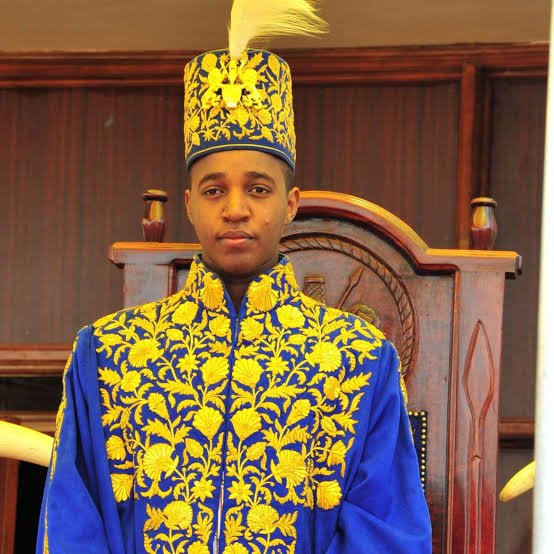
The Original Inhabitants of the Federal Capital Territory (FCT) have called for greater recognition, political participation and sustained support for the preservation of their cultural heritage and identity.
The call was made on Monday at the 2026 United Nations World Indigenous Peoples Day celebration organised by the Resource Centre for Human Rights & Civic Education (CHRICED), in partnership with the University of Abuja and FCT Original Inhabitant Organisations, with support from the MacArthur Foundation.
The event held at the Convocation Ground of the University of Abuja, New Site, was themed: “Celebrating Indigenous Midwives: Preserving Abuja Original Inhabitants Identity in a Changing World,” in line with the United Nations theme, “Honouring Indigenous Midwives: Safeguarding Life and Well-being.”
Speaking at the event, the Agabe of Ugbada-Gwargwada Chiefdom in Kuje Area Council, HRH Alhaji Hussaini Agabi, urged indigenous communities to take the annual celebration more seriously and ensure stronger participation by political and community leaders.
Agabi said the attendance of indigenous people at the event should improve, while area council chairmen, senators and members of the House of Representatives should be actively involved in subsequent editions.
He commended the foundation supporting the programme, saying its intervention had helped bring greater visibility to the concerns of the indigenous people.
He said, “The coming of this organisation has shown that the indigenous people of Itsi have been silent and not even known about. Yet, somebody has come to show us and lift us from where we were.”
He urged stakeholders to ensure greater engagement and mobilisation ahead of next year’s celebration.
Earlier, the Executive Director of CHRICED, Ibrahim M. Zikirullahi, said the celebration was not only about marking a global observance but also about protecting the identity, heritage and rights of Abuja’s Original Inhabitants.
Zikirullahi said indigenous midwives were custodians of ancestral knowledge whose contributions to maternal care and cultural continuity deserved greater recognition.
He said the rapid development of Abuja should not lead to the erosion of the identity of its Original Inhabitants, stressing the need to protect their languages, customs, land rights and cultural expressions.
According to him, “Development must never come at the cost of identity,” while progress must continue to honour heritage.
Zikirullahi also announced the proposed establishment of the Abuja Original Inhabitants Heritage Centre, saying construction was expected to commence soon.
He said the centre would provide a dedicated space for preserving indigenous history, cultural memory and research, while enabling future generations to learn about and celebrate the heritage of Abuja’s First Peoples.
He appealed for financial and material support to ensure the realisation of the project.
Representing the Africa Director of the MacArthur Foundation, Dr Kole Shettima, the Deputy Director of the foundation, Dr Amina Salihu, said the foundation was proud to be associated with the Original Inhabitants of the FCT.
Salihu cited remarks by the Deputy Secretary-General of the United Nations, Amina J. Mohammed, on the need to recognise indigenous knowledge systems and protect the rights of indigenous peoples.
She said the celebration was more than just a culture of gardening, describing it as an opportunity to honour heritage as a pathway to justice.
She expressed the foundation’s support for the proposed Heritage Centre and called for wider support to bring the vision to fruition.
Also speaking, the representative of the Vice-Chancellor of the University of Abuja, Professor Otaki Alanana, said the International Day of the World’s Indigenous Peoples was established by the United Nations in 1982 to raise awareness and promote the protection of indigenous peoples’ rights and celebrate their contributions to society.
He said the theme on indigenous midwives was an opportunity to reflect on how indigenous caregivers could be supported while cultural values were preserved.
Alanana expressed concern over the gradual decline in the use of traditional clothing and practices, saying rapid changes in society could affect cultural continuity.
“Change is inevitable, and it is coming very rapidly. But if we are able to manage the pace of change, it is possible that our culture will remain in the annals of history,” he said.
He urged indigenous people and traditional rulers to support initiatives aimed at preserving their cultural values.
The event brought together traditional rulers, representatives of the nine Indigenous tribes of the FCT, government officials, development partners, civil society organisations, academics, students and members of the media.
We’ve got the edge. Get real-time reports, breaking scoops, and exclusive angles delivered straight to your phone. Don’t settle for stale news. Join THISTIMES on WhatsApp for 24/7 updates →
Join Our WhatsApp Channel