President Bola Tinubu’s planned trip to New York for the 81st United Nations General Assembly is reportedly in doubt after security concerns were raised over a proposed protest by Nigerians in the United States.
Vice President Kashim Shettima is expected to represent Nigeria at the international gathering if Tinubu’s reported decision not to travel is confirmed.
The President had been scheduled to leave Nigeria for New York between September 22 and 28, 2026, and was expected to deliver Nigeria’s address to world leaders on September 23.
However, according to a security source, the planned trip had been cancelled after intelligence agencies reportedly raised concerns about a demonstration being organised by Nigerians in New York.
The source, who requested anonymity, said those behind the planned protest intended to confront and heckle Tinubu over the controversy surrounding records being sought from US law enforcement agencies.
According to the source, the protest was linked to attempts to obtain documents concerning Tinubu’s activities in Chicago in the early 1990s, with opposition figures in Nigeria allegedly involved in mobilising Nigerians living in the United States.
The reported development comes as a separate legal dispute over the release of US government records concerning Tinubu continues to attract political attention on both sides of the Atlantic.
At the centre of the controversy is a Freedom of Information Act case pending before the United States District Court for the District of Columbia.
The case involves requests for records from American government agencies, including the Federal Bureau of Investigation and the Drug Enforcement Administration.
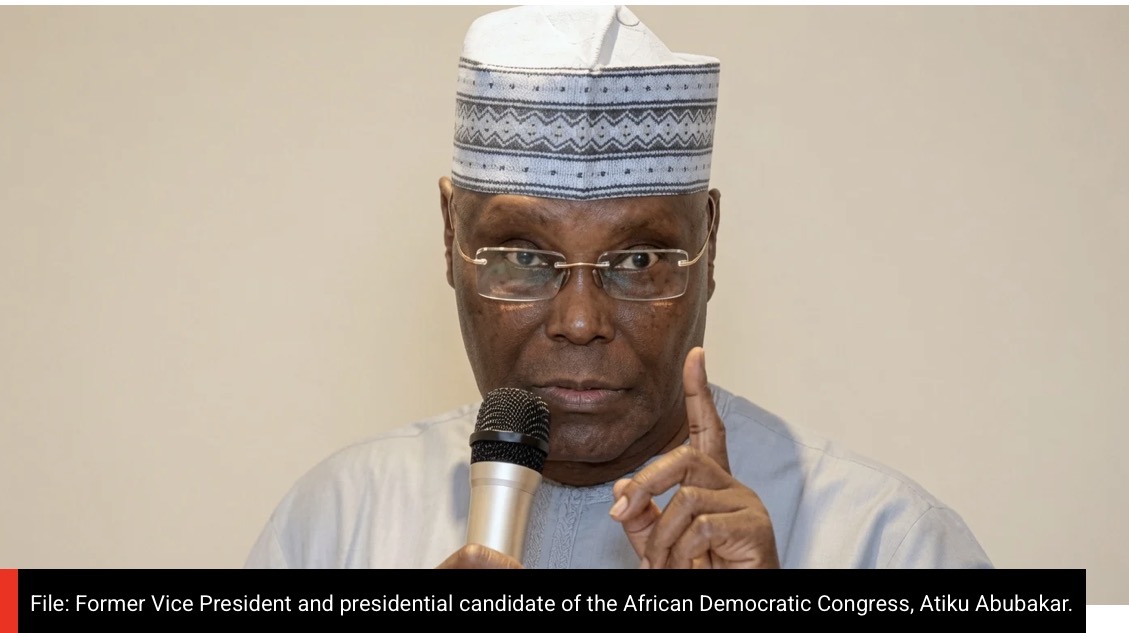
The renewed political campaign surrounding the documents has been associated with Von Batten-Montague-York, L.C., a Washington-based lobbying firm reportedly engaged by former Vice President Atiku Abubakar, who is seeking the presidency in 2027 on the platform of the African Democratic Congress.
The firm has been advocating the release of records it says are held by the FBI, DEA and other US agencies in relation to Tinubu.
The lobbying campaign became more controversial after the firm alleged that individuals connected to the Nigerian President attempted to offer one of its senior officials $3m in connection with the records.
The controversy took another turn on Wednesday when Trump reportedly appointed the lobbying firm’s Managing Partner, Dr Karl Von Batten, to serve as a commissioner on a White House presidential commission.
The firm announced the appointment through its verified X account, describing Von Batten as someone with a “longstanding commitment to public service, leadership” and the United States.
The development involving the UNGA trip also comes just a day after the Presidency issued an explanation of the legal dispute involving the FBI and DEA records.
Special Adviser to the President on Information and Strategy, Bayo Onanuga, said the case had been wrongly portrayed in some quarters as a criminal proceeding against Tinubu.
“For clarity, the matter is a civil records-disclosure dispute under the United States Freedom of Information Act. It is not a criminal case against President Bola Ahmed Tinubu, nor has the court found him guilty of any criminal wrongdoing,” Onanuga said.
The Presidency explained that the legal dispute originated from FOIA requests submitted by Aaron Greenspan in 2022 for records relating to Tinubu.
After some US agencies declined to confirm or deny the existence of certain records or withheld requested materials, Greenspan filed a federal case in Washington in 2023.
Tinubu was later permitted to participate in the proceedings as an intervenor.
Several agencies have since been removed from the case following court rulings in their favour, leaving the FBI and DEA as the major focus of the remaining dispute.
According to the Presidency, the two agencies have already provided 399 pages of records in compliance with court orders, but parts of the documents were redacted.
Greenspan has challenged the decision to withhold portions of the records, while the FBI and DEA have argued that US law prevents the disclosure of some of the information.
The agencies have cited legal protections covering grand jury materials, court orders, privileged communications, law enforcement information, personal privacy and information that could expose confidential sources or investigative methods.
Tinubu has also invoked FOIA Exemption 7(C), which provides protection for certain personal information where disclosure could result in an unwarranted invasion of privacy.
“The release or withholding of records under FOIA does not, by itself, establish criminal liability,” the Presidency said. “The case concerns access to government records and the proper application of statutory exemptions.”