Kenya will ban exports of unprocessed gold and establish at least three refineries as the East African country moves to retain more value from its mineral resources.
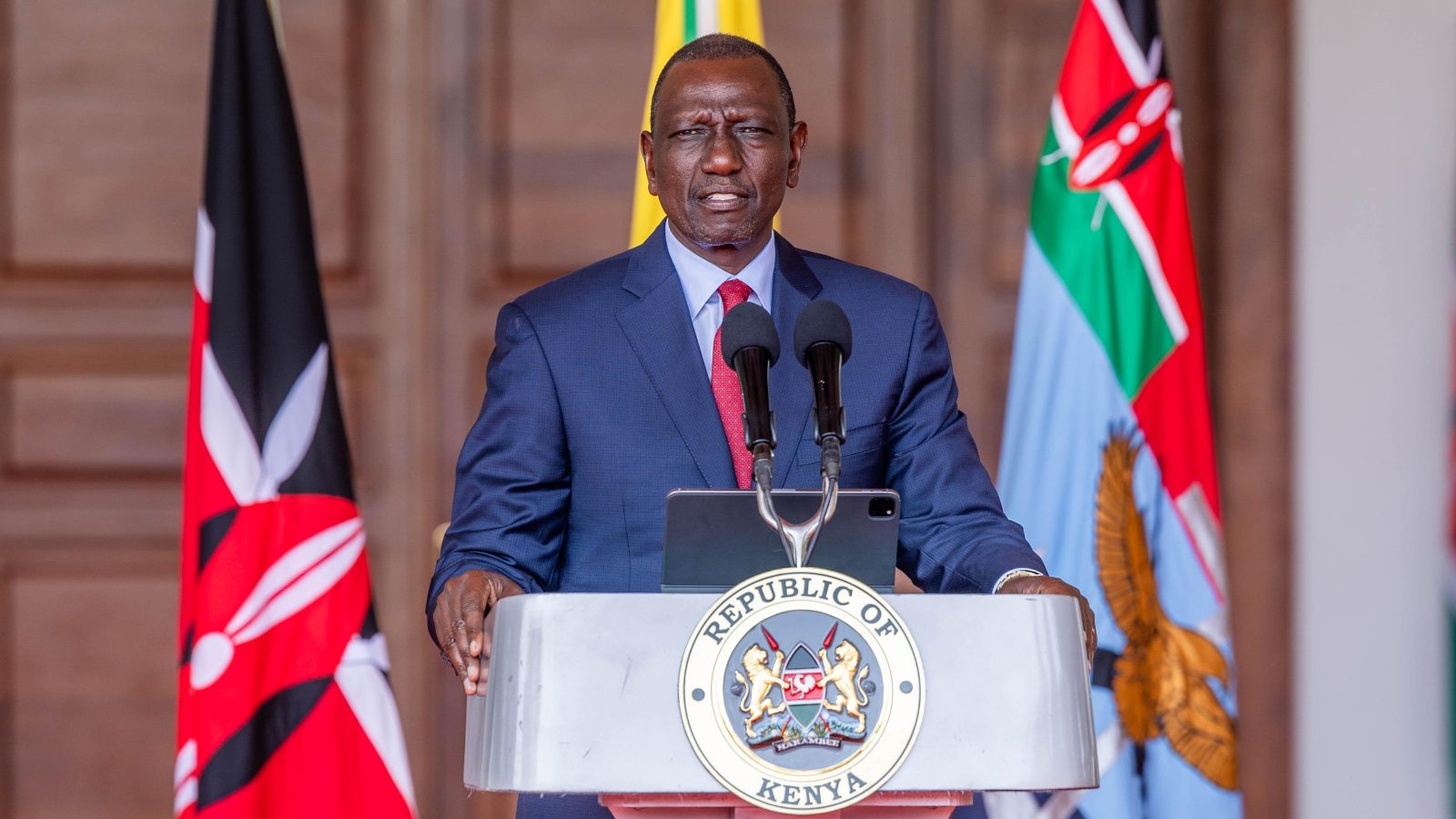
President William Ruto disclosed this on Monday while speaking to reporters in Kisumu, western Kenya, saying the government would require gold and other minerals mined in the country to be processed locally before export.
Kenya joins a growing list of African countries seeking to maximise the economic value of their natural resources by increasing domestic processing and limiting the export of raw minerals. Ghana and Zimbabwe have introduced measures in recent years aimed at increasing local refining, strengthening government control over mineral trade and retaining more revenue from their resources.
Ruto said Kenya will make it illegal to export gold that has not been processed locally and passed through government-approved channels.
He said Kenya was following the approach adopted by Ghana and Zimbabwe, adding that the policy would eventually apply beyond gold to all minerals produced in the country.
Ruto also said Kenya plans to establish three gold refineries, with facilities planned for the gold-producing region of Kakamega and Nairobi. The Central Bank of Kenya will also have first priority under a planned domestic gold-purchasing programme.
Kenya’s State Department for Mining estimates that the country produces about 300 kilograms of gold monthly, equivalent to 9,645 ounces. The volume translates to about 36 billion shillings ($278 million) in unregulated transactions annually.
More than 90% of Kenya’s gold production comes from unregulated artisanal and small-scale miners, according to the department, leaving the government with an estimated 1.2 billion shillings in potential annual royalties.
Ghana is also tightening controls over unprocessed gold exports as it seeks to retain more value from its gold resources and expand domestic refining.
Zimbabwe has similarly strengthened state control over gold purchases, with an arm of its central bank serving as the sole buyer of the country’s gold. Earlier this month, the country also banned some mineral exports to encourage mining companies to refine more materials locally.
Kenya’s push for domestic mineral processing extends beyond gold, with the country also moving towards local crude oil refining.
On Monday, Dangote also disclosed that the Dangote Petroleum Refinery had sold out its jet fuel supply to European markets from August to September, with the remaining stock reserved for Nigeria.