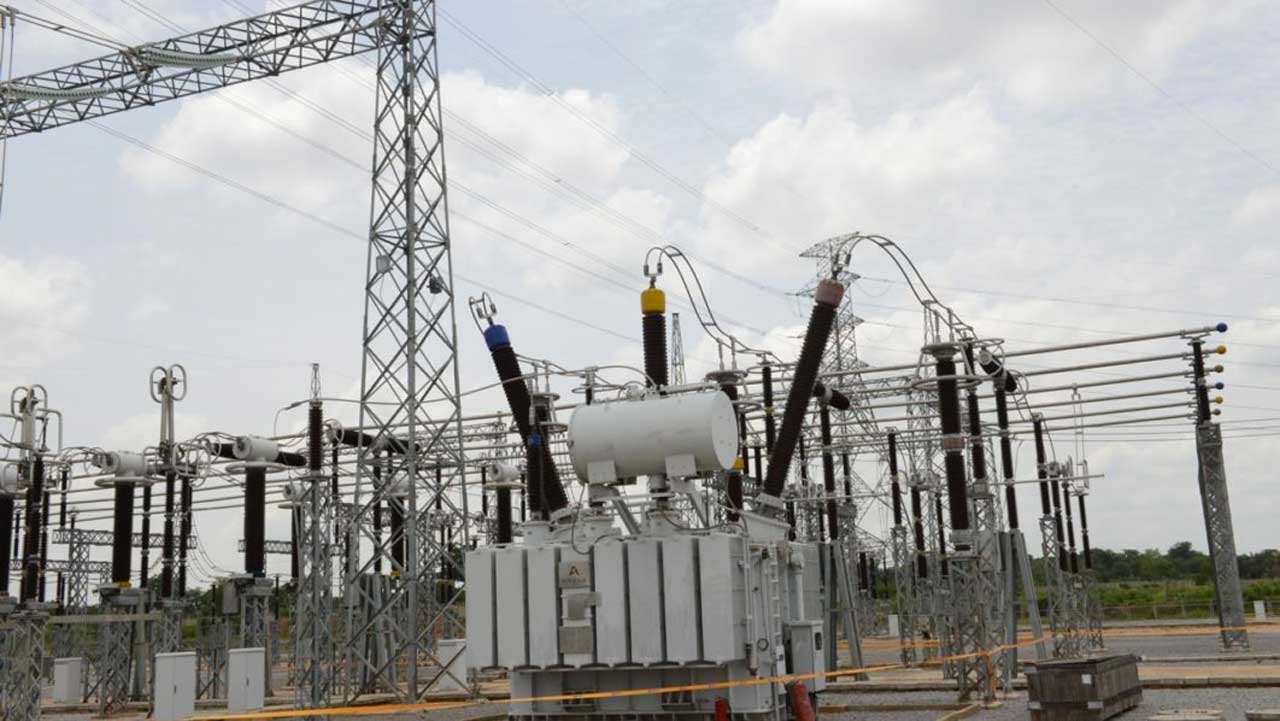
The rehabilitation of the Amuwo 132/33kV Transmission Substation in Lagos is awaiting equipment being manufactured in China before the remaining work can continue.
Engr. Mrs Funmi Ikoko, Acting General Manager of the Transmission Company of Nigeria (TCN), Lagos Region, disclosed this during discussions with the Lagos State Electricity Regulatory Commission (LASERC) team led by its CEO, Mrs Temitope George, and Executive Member of Engineering and Standards, Engr. Olopade Adekunle, during a fact-finding tour of TCN facilities in Lagos on Tuesday, which Nairametrics attended.
The update comes after Nairametrics reported in March that residents and businesses in parts of Amuwo-Odofin could face a four-month power disruption due to the scheduled rehabilitation of the facility.
Ikoko said the rehabilitation is now about 80% complete, but the contractors are waiting for contactors, relays and other equipment needed to complete the remaining work.
She said the outstanding materials are not being sourced locally and are being manufactured in China, adding that the contractor has promised that the materials will arrive soon.
The equipment delay follows an earlier delay caused by difficulties in granting the outage required for contractors to carry out the rehabilitation work.
She explained that the rehabilitation required a total shutdown of the Amuwo station, but TCN could not grant the outage without making alternative arrangements to maintain electricity supply to customers. Eko Electricity Distribution Company and Ikeja Electric also needed to give consent under their Service Level Agreement (SLA).
She said TCN deployed mobile transformers and diverted loads to them, while lines were also extended from Ojo and other locations towards the Festac axis to relieve some of the affected loads.
With the outage issue now addressed, Ikoko said the outstanding equipment is the major requirement for the contractors to continue and complete the remaining work.
The LASERC team raised concerns about the ability of Lagos’ electricity network to absorb and distribute available power, noting that improvements in transmission infrastructure must be matched by upgrades on distribution networks.
Adekunle said bottlenecks remain on the distribution side, particularly around load uptake, feeder capacity and protection coordination.
He said DisCos need to upgrade their 11kV and 33kV networks to effectively take up available power from the transmission system.
The discussions also highlighted the need for greater network redundancy, given the importance of facilities such as Amuwo and Akangba to electricity supply in Lagos.
Nairametrics reported in March that the rehabilitation and maintenance of the 132kV GIS substation at the Amuwo Transmission Station was scheduled to run from March 18 to July 30, 2026.
The company said the replacement would increase the substation’s capacity by an additional 60MVA upon completion.
TCN had also deployed two mobile transformers to enable Eko and Ikeja DisCos to continue taking power during the rehabilitation and prevent a total blackout in the affected areas.
However, the project missed its July completion target, with TCN’s latest September update putting progress at about 80% and identifying outstanding equipment from China as the next requirement for the work to continue.
In an earlier exclusive interview with Nairametrics, LASERC CEO Temitope George said the commission was strengthening consumer protection, universal metering and performance monitoring while expanding private-sector participation in Lagos’ electricity market.
A Nairametrics review of LASERC documents also found about 40 additional applications under review across embedded generation, captive power and mini-grid categories.
The applications indicate a growing pipeline of decentralised electricity projects in Lagos, alongside efforts to address transmission and distribution constraints.