The Presidential Campaign Council of the African Democratic Congress (ADC) has challenged President Bola Tinubu to provide Nigerians with a detailed account of the borrowings incurred under his administration, amid a sharp rise in the country’s recorded public debt.
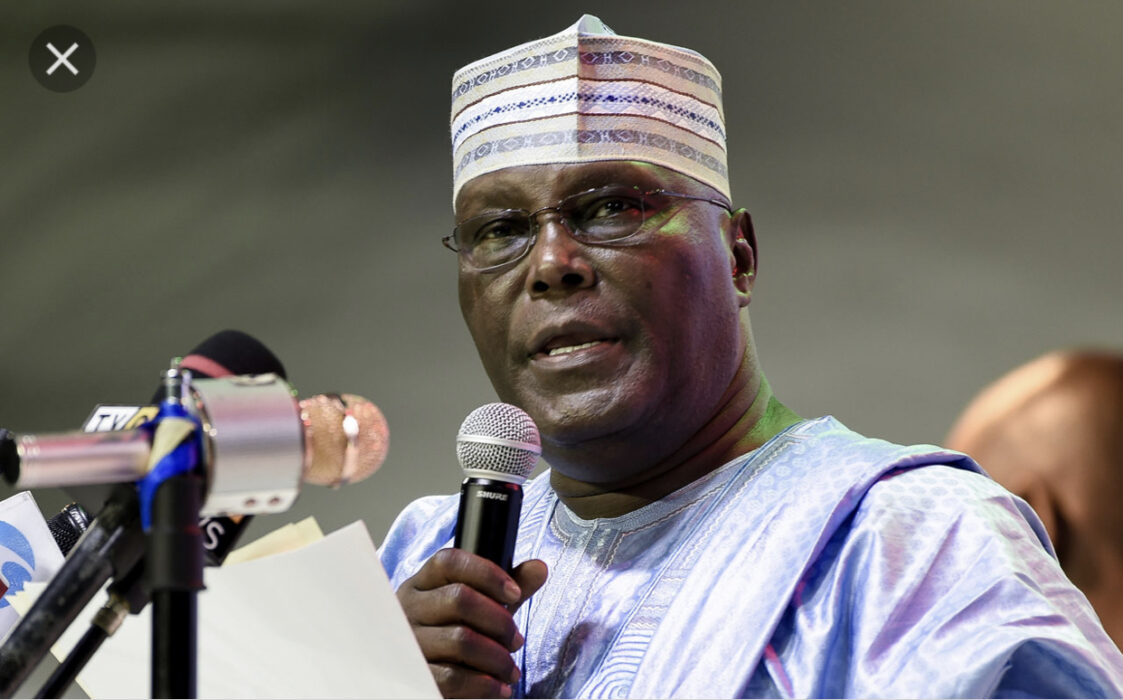
Former Vice President Atiku Abubakar, through his Director of Strategic Communications, Phrank Shaibu, described the Tinubu administration as one of the most ruinous governments Nigeria has experienced, arguing that Nigerians have endured higher living costs while government borrowing has continued to increase.
The statement came after the Debt Management Office (DMO) reported that Nigeria’s total public debt stood at ₦166.79 trillion as of June 30, 2026. The DMO published the latest debt figure on September 25.
The ADC campaign said the debt figure should be accompanied by a detailed reconciliation showing existing liabilities, newly contracted loans, exchange-rate effects on foreign debt, repayments and outstanding obligations.
“A government that says more money is coming in must explain why it keeps borrowing and why the people paying for its policies cannot see the promised gains,” Atiku said in the statement.
The council contrasted the latest debt figure with Nigeria’s ₦49.85 trillion total public debt at the end of March 2023. The earlier figure is documented in DMO data and a 2023 public-debt statistical bulletin.
Atiku also questioned the relationship between rising government revenues, economic reforms and household living standards.
He argued that the removal of fuel subsidies, exchange-rate reforms and increases in the cost of electricity, transportation, food and other necessities had placed additional pressure on households.
IMF acknowledges difficult conditions
The ADC’s criticism comes against the backdrop of a mixed assessment from the International Monetary Fund (IMF).
In its June 2026 Article IV consultation, the IMF said reforms implemented over the previous three years had produced improved macroeconomic outcomes and strengthened Nigeria’s resilience. At the same time, it said conditions remained difficult for many Nigerians.
The IMF estimated poverty at 63 per cent under Nigeria’s national poverty line and said an estimated 27 million Nigerians experienced food insecurity in late 2025. It also warned that higher food and transport costs could weigh on economic activity and aggravate poverty and food insecurity.
Atiku said these pressures demonstrated what he described as a gap between macroeconomic indicators and the experience of ordinary Nigerians.
“An economy cannot be declared successful simply because government revenue is rising, reserves are improving or official statistics look better while the purchasing power of ordinary citizens is being destroyed.”
Debt-service burden questioned
The ADC campaign also raised concerns about the proportion of government revenue being absorbed by debt servicing.
BudgIT reported that debt service reached ₦12.52 trillion against revenue of ₦18.63 trillion by the third quarter of 2025, representing 67.2 per cent of the revenue figure.
The 2026 budget signed by President Tinubu provides for ₦68.32 trillion in total expenditure, with ₦15.8 trillion allocated to debt service. The State House confirmed the figures when Tinubu assented to the Appropriation Act in April.
The government’s revised 2026 fiscal plan projects ₦36.87 trillion in revenue, leaving a deficit of about ₦31.46 trillion, with borrowing accounting for much of the financing requirement.
At the Africa Forward Summit in Nairobi in May, Tinubu said Nigeria would spend approximately $11.6 billion on debt service in 2026, describing the burden as nearly half of projected revenue and arguing that high debt costs were diverting resources from productive sectors.
The ADC campaign said the president’s acknowledgement underscored the need for greater scrutiny of new borrowing.
“If President Tinubu understands abroad what debt payments are taking away from Nigeria, then he must explain at home why the borrowing bill continues to grow.”
ADC demands explanation for $22.5m charge
The campaign also called for greater disclosure concerning Nigeria’s external debt-service transactions for the second quarter of 2026.
It specifically questioned a $22.5 million charge recorded under “other charges” against a First Abu Dhabi Bank Total Return Swap, as well as a separate charge involving Deutsche Bank.
Atiku demanded that the government publish the agreements and supporting documentation and explain the nature, origin and outstanding obligations associated with the transactions.
The DMO has published its second-quarter 2026 external debt-service data among its latest debt documents, alongside federal domestic debt-service and debt-stock publications.
The ADC campaign further demanded a reconciliation of Treasury Bill borrowing, citing the DMO’s reported ₦19.48 trillion in outstanding Nigerian Treasury Bills as of June 30, 2026.
It said Nigerians should be told which bills subsequently matured, which were redeemed or rolled over, and which transactions represented genuinely new borrowing.
“Auction allotments do not automatically equal an increase in outstanding debt because some issuances replace maturing bills,” Atiku said.
Government says reforms are aimed at fiscal stability
The administration has defended its economic reforms as necessary measures to address structural fiscal problems and restore macroeconomic stability.
In its 2026 budget presentation, the presidency said the government’s programme was designed around fiscal discipline, economic stability, infrastructure investment and growth. The budget allocated ₦32.2 trillion to capital expenditure and ₦15.4 trillion to recurrent non-debt spending, alongside the ₦15.8 trillion debt-service allocation.
The IMF similarly said in June that ending fuel subsidies, liberalising the exchange rate and tightening monetary policy had reduced fiscal vulnerabilities, rebuilt external buffers and improved foreign-exchange market functioning.
But the IMF also noted that higher fuel, food and fertilizer prices could intensify inflationary pressures and worsen conditions for poor and food-insecure households.
Atiku said the government’s reform programme should ultimately be judged by its effect on Nigerians’ living standards.
He called on Tinubu and the ruling All Progressives Congress (APC) to apologise for the hardship Nigerians have experienced since 2023 and to provide a comprehensive reconciliation of government borrowing and debt obligations.
“Nigerians were asked to sacrifice. Fuel subsidy was removed. The naira was allowed to depreciate sharply. Electricity and transportation costs rose. Government revenues increased, yet borrowing continued.”
He added that Nigerians were entitled to know what the sacrifices had produced.
The ADC campaign said by demanding that the federal government “reconcile the borrowing, explain the charges, show Nigerians what their sacrifice bought” and account publicly for the country’s rising debt burden.
We’ve got the edge. Get real-time reports, breaking scoops, and exclusive angles delivered straight to your phone. Don’t settle for stale news. Join THISTIMES on WhatsApp for 24/7 updates →
Join Our WhatsApp Channel