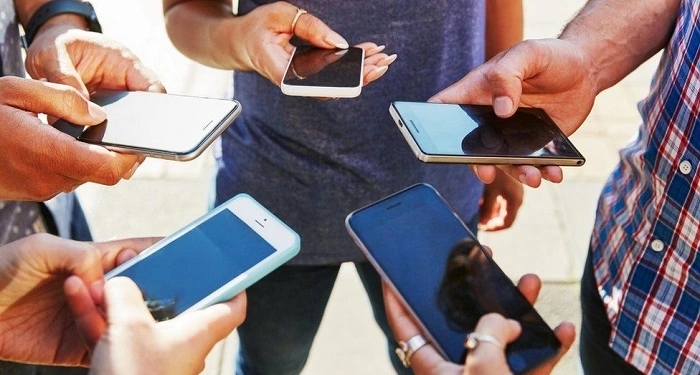
Nigeria’s smartphone ownership has risen to 75% as mobile devices become increasingly central to how Nigerians access digital services.
The finding was disclosed in the Nigeria Smartphone Study: A Nationwide Analysis of Smartphone Ownership and Digital Application Usage, conducted by KPMG in partnership with Orange Group Nigeria.
The study, which surveyed 13,251 respondents across 12 major Nigerian cities, found that the growth in smartphone adoption is contributing to increased use of digital applications across financial services, commerce, entertainment, education and transportation.
According to KPMG, Nigeria’s smartphone ownership increased from 64% in 2023 to 75% in 2025.
The report attributed the increase to factors including Nigeria’s large and youthful population, improving connectivity and greater smartphone affordability, which are supporting the transition from feature phones to internet-enabled devices.
KPMG said smartphones have evolved beyond tools for communication and convenience, becoming important enablers of economic participation, innovation and enterprise.
The growth in smartphone ownership comes alongside increasing internet usage in Nigeria.
Data from the Nigerian Communications Commission (NCC) cited in the report showed that Nigeria had 157 million internet subscribers as of May 2026, while data consumption exceeded 1.5 million terabytes.
KPMG said the figures reflect the growing scale and intensity of digital activity in the country as more consumers use mobile devices to access online services.
The report identified financial services, telecommunications, commerce, entertainment, education and transportation among the areas being affected by the expansion of smartphone and application usage.
Despite the increase in smartphone ownership, the report highlighted continuing gaps in the quality and depth of digital access.
The report identified infrastructure limitations, affordability, gaps in digital literacy and cybersecurity concerns among factors that could affect the pace and inclusiveness of Nigeria’s digital development.
The continued reliance on older network technology means that rising smartphone ownership does not by itself eliminate other barriers to digital participation.
Nigeria’s rising smartphone ownership comes as the country continues to experience both rapid growth in digital usage and a significant mobile internet usage gap.
Nairametrics reported in September that Nigeria accounted for about 140 million people in the mobile internet usage gap in 2025, according to the GSMA. The figure represents people who live within the coverage of mobile broadband networks but do not use mobile internet services.
Data consumption among connected Nigerians has also continued to rise. Nairametrics reported in August that Nigerians consumed a record 1.5 million terabytes of data in May 2026, while active mobile internet subscriptions increased from 154.3 million in April to 157 million in May.