The Nigeria Centre for Disease Control and Prevention (NCDC) says 34 of the 62 people identified as contacts of Nigeria’s imported Bundibugyo Ebola case have completed their 21-day monitoring period, while 28 remain under surveillance.
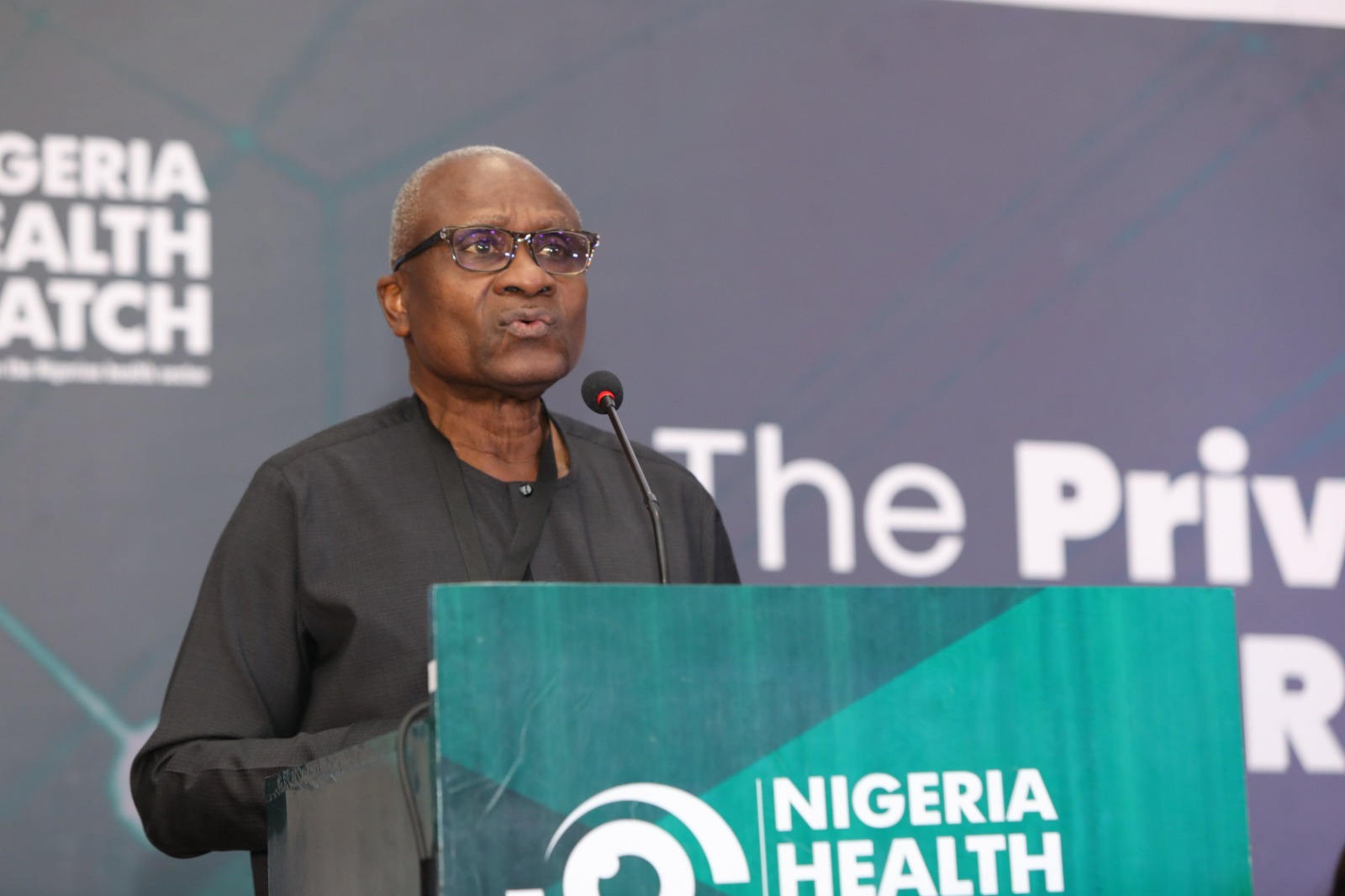
The agency’s Director-General, Dr Jide Idris, disclosed this in a national health security update issued on Tuesday, adding that Nigeria had recorded no additional Ebola case, 21 days after confirming the imported infection from Uganda.
Idris said the agency was sustaining contact tracing, laboratory testing and surveillance while strengthening preparedness for other infectious disease threats, including dengue fever, Chikungunya, cerebrospinal meningitis, diphtheria and Lassa fever.
According to the NCDC, identifying someone as a contact does not mean the individual has contracted Ebola. Rather, the monitoring process is intended to support early detection and prompt response if symptoms develop.
He said the agency was continuing its surveillance and response activities in collaboration with relevant authorities.
He urged healthcare workers in public and private facilities to remain vigilant, establish patients’ travel and exposure histories, and immediately report suspected Ebola cases to public health authorities.
Idris also advised anyone who develops symptoms after possible exposure to avoid contact with others and call the NCDC toll-free line, 6232, for guidance before visiting a health facility.
The NCDC director-general also said dengue fever had been confirmed in Sokoto and Zamfara States, while Chikungunya was confirmed in Sokoto, prompting intensified surveillance and response activities.
He said National Rapid Response Teams, including entomologists from the National Arbovirus Research Centre in Enugu, had been deployed to support affected states.
He also advised households to eliminate stagnant water, cover water containers, clear discarded tyres and protect themselves against mosquito bites, noting that disease-carrying mosquitoes often bite during the daytime.
Nigeria’s response to the imported Ebola infection has involved contact tracing, isolation, laboratory testing and intensified surveillance to prevent further transmission.
The agency clarified that the suspected cases still required laboratory confirmation and did not necessarily mean the individuals had contracted the virus.