The Premium Times Training Academy has cautioned journalists against ethnic profiling in news reports, warning that insensitive descriptions of individuals and communities could deepen tensions and fuel conflicts.
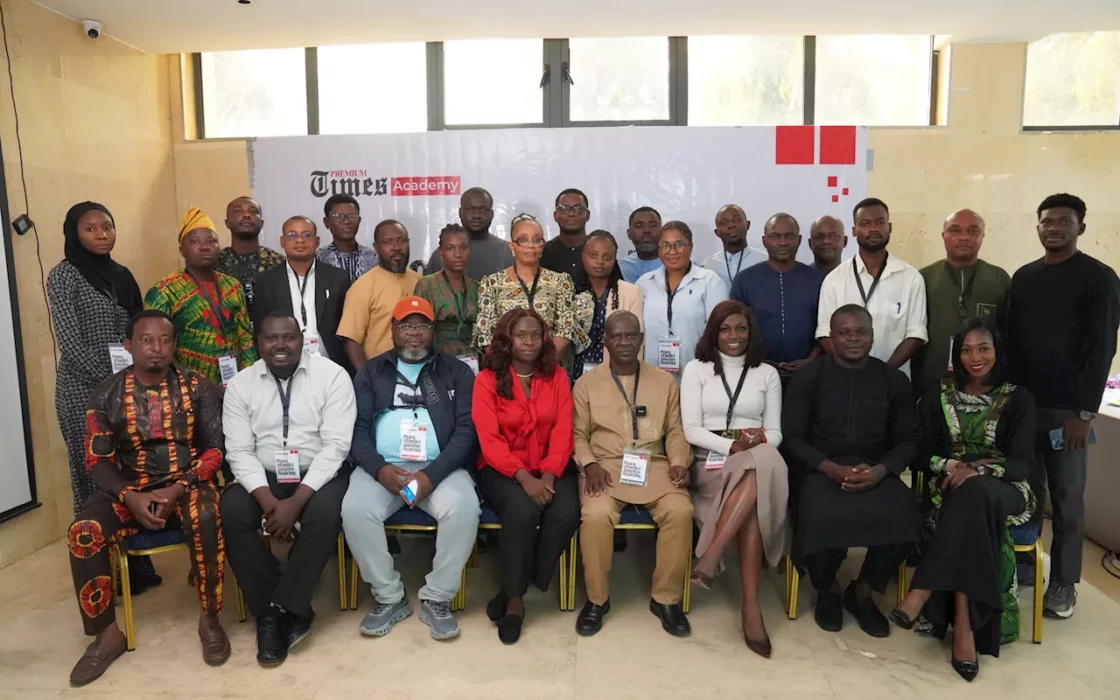
The warning was given during a two-day training on peace and conflict-sensitive reporting organised by the academy for investigative and security journalists in Abuja.
The training, held between September 23 and 24, 2026, focused on the role of journalists and the media in either mitigating or escalating conflicts through the framing and presentation of news.
The participants were drawn from various media organisations, including LEADERSHIP, Punch, The Sun, Daily Trust, The Nation, New Telegraph, TVC, NTA, FRCN, Wazobia, the International Centre for Investigative Reporting (ICIR), News Agency of Nigeria (NAN) and Premium Times.
The academy stressed the need for journalists to avoid attributing crimes or violent incidents to an ethnic, religious or regional group where such identification is not relevant to the story.
It also examined the consequences of injurious and insensitive reporting, particularly in conflict situations, where media narratives can influence public perception and exacerbate existing divisions.
The training featured sessions on the nature and dynamics of conflicts, hate speech, misinformation, ethics and professionalism, conflict-sensitive reporting, social media sourcing and access to humanitarian information.
Facilitators included Professor Isaac Olawale Albert of the University of Ibadan; Dr Joan Hassan of Kaduna State University; the Editor-in-Chief of Premium Times, Musikilu Mojeed; the Managing Editor, Idris Akinbajo; and the Standards Editor, Oluwaseyi Ayeni.
Others were the Executive Director of the International Centre for Investigative Reporting, Dayo Aiyetan; the Publisher of Premium Times, Dapo Olorunyomi; the journalist and media trainer, Taiwo Adebayo Hassan; and the digital investigations expert, Silas Jonathan.
The second day of the training examined the dangers of ethnic profiling and the impact of harmful reporting, with participants also studying lessons from conflicts in Sierra Leone, Kenya and Rwanda.
The journalists were exposed to approaches for gathering and writing news in environments affected by hate speech, as well as techniques for fact-checking and verifying social media content.
The academy also addressed emerging challenges associated with artificial intelligence, particularly the spread of AI-generated content and misinformation.
Participants were trained to verify information before publication, identify misleading content, and handle material obtained from social media platforms responsibly.
The programme further covered the sourcing and interpretation of humanitarian data, fact-checking, hate speech and newsroom practices that can reduce the risk of harmful reporting.
The academy said the training was designed to strengthen journalists’ understanding of conflict dynamics and help them recognise how media narratives can affect conflict situations.
It encouraged participants to apply the knowledge acquired in their daily reporting while maintaining professional and ethical standards.
The programme also provided an opportunity for journalists to share experiences and examine practical challenges confronting newsrooms in reporting security and conflict-related issues.
We’ve got the edge. Get real-time reports, breaking scoops, and exclusive angles delivered straight to your phone. Don’t settle for stale news. Join THISTIMES on WhatsApp for 24/7 updates →
Join Our WhatsApp Channel