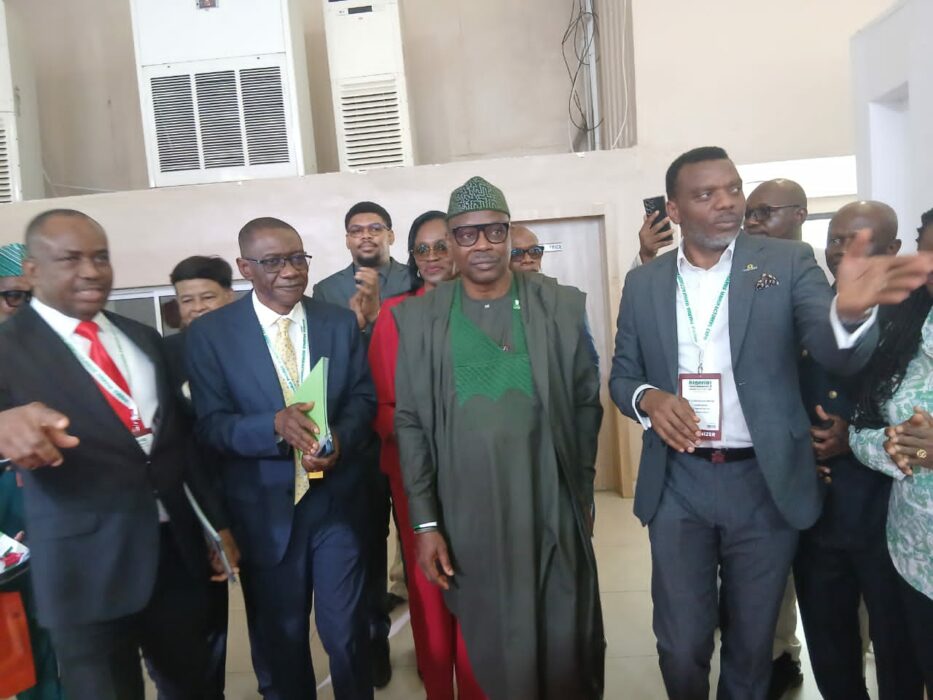
The Emir of Kano, Muhammadu Sanusi II, has questioned the consistency of Nigeria’s anti-corruption fight, citing the continued detention of former Kaduna State governor, Nasir El-Rufai.
Sanusi raised the concern in an interview with Channels Television on Monday, on the sidelines of the launch of The Unexplained Wealth Trilogy, authored by Senior Advocate of Nigeria (SAN), Wahab Shittu, in Lagos.
The Emir said the existence of laws against corruption was not enough, stressing that institutions responsible for investigation, prosecution and adjudication must ensure that the laws were properly implemented.
“The laws are one thing. Even the existing laws we have need to be implemented better. You have institutions that are supposed to identify corrupt people and prosecute them. You have courts that are supposed to do it,” he said.
Sanusi said some corruption cases had been dropped because suspects had political connections or belonged to what he described as the “right political environment.”
“We have seen in this country people who are facing corruption charges who basically just get those charges dropped because they belong to the right political environment or have the right political support,” he said.
He said the handling of some corruption cases had raised questions over whether the anti-corruption campaign was being applied consistently or being used against political opponents.
“We have legal processes where people are questioning if, in fact, it is a fight against corruption or political persecution,” Sanusi said.
Speaking specifically on El-Rufai’s case, the Emir said the former governor’s continued detention could fuel public concerns about the motive behind the prosecution.
“An example is my brother, Nasir El-Rufai, who’s been denied bail. He’s been in detention for seven months, not having been convicted for anything, using the courts,” he said.
Sanusi added: “So people begin to wonder, is this really a fight against corruption, or is it a political battle?”
He said political office holders and the judiciary must ensure that laws were used for the purposes for which they were enacted.
“Now, until the politicians and those who control political office and the judiciary decide that they are going to use these laws for the purpose for which they are set up, we’re not going to get anywhere,” he said.
The Emir also called for greater attention to the institutions enforcing anti-corruption laws, rather than focusing only on reviewing existing legislation.
“So the laws are one thing, and I think it’s a good thing that we’re looking at the laws, but we also have to look at the institutions that are involved in the structure of the law, and that is only where you make progress,” he said.
“Otherwise, anyone knows that you can get away with anything if you have the right political connections.”
We’ve got the edge. Get real-time reports, breaking scoops, and exclusive angles delivered straight to your phone. Don’t settle for stale news. Join THISTIMES on WhatsApp for 24/7 updates →
Join Our WhatsApp Channel