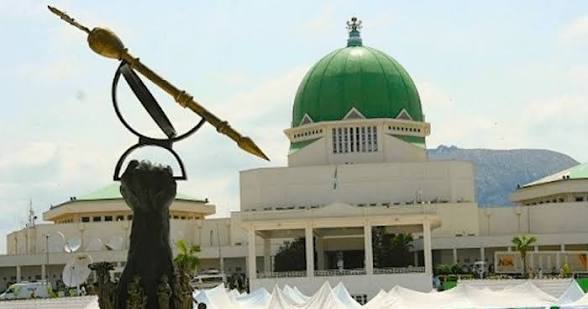
The National Assembly is set to deepen the digitisation of parliamentary records by translating Nigerian laws into Igbo, Hausa, Yoruba and other indigenous languages to improve public access to legislative information.
The Executive Secretary of the National Assembly Library Trust Fund, Henry Nwawuba, disclosed this on Monday in Abuja while declaring open the 2026 National Assembly Library Week, themed, “Parliamentary Memory: Connecting Records, Legislation and the People.”
Nwawuba said the three-day programme was designed to promote legislative research, access to information and effective use of the National Assembly Library’s resources.
He described the library as the legislature’s knowledge infrastructure and a repository of parliamentary records, including Order Papers, Votes and Proceedings, committee reports and Acts passed by the National Assembly.
He said the Trust Fund was investing in electronic repositories and upgrading the library’s E-Library, while developing a mobile application to make legislative information more accessible to lawmakers, staff, researchers and members of the public.
Nwawuba also announced plans for a Bills Tracker that would allow users to monitor bills and follow their progress through the legislative process. He added that the library was developing infographics, audiovisual materials and video explainers to simplify bills, Acts and legislative procedures.
According to him, translating laws into indigenous languages would enable more Nigerians to understand legislation affecting their daily lives and broaden access to parliamentary information.
He said the library would also organise public policy dialogues to encourage citizen participation in public hearings and facilitate interaction among legislators, researchers and members of the public.
Senate President, Godswill Akpabio, represented by Senator Osita Ngwu, urged lawmakers to make greater use of the library, particularly amid increasing misinformation, disinformation and the rapid development of artificial intelligence. Speaker of the House of Representatives, Abbas Tajudeen, represented by the House Leader, Julius Ihonvbere, similarly stressed the importance of preserving legislative records for future generations.
The Clerk to the National Assembly, Kamoru Ogunlana, said the legislature could not be truly independent without the capacity to generate, preserve, retrieve and authenticate its institutional knowledge. He warned that the digitisation of parliamentary records also created risks of cyberattacks, manipulation and impersonation, requiring stronger cybersecurity, digital preservation and authentication systems.
Ogunlana said the National Assembly Library must evolve from a repository of documents into an institution where parliamentary knowledge is preserved, authenticated and made accessible to lawmakers, researchers, journalists, civil society organisations, students and the wider public.
We’ve got the edge. Get real-time reports, breaking scoops, and exclusive angles delivered straight to your phone. Don’t settle for stale news. Join THISTIMES on WhatsApp for 24/7 updates →
Join Our WhatsApp Channel