Oil marketers have lamented that Nigerians are not sympathetic to the losses they incur due to volatility in the downstream petroleum sector.
In an exclusive chat with Nairametrics, the National Publicity Secretary of the Independent Petroleum Marketers Association of Nigeria (IPMAN), Chinedu Ukadike, said marketers incur losses running into billions of naira due to price volatility, particularly when prices suddenly fall.
The development comes amid sustained volatility in the downstream petroleum sector, driven by rising global crude oil prices linked to the Middle East conflict involving the United States, Iran and Israel.
Marketers argued that consumers pressure them to keep selling petrol at prevailing prices even when crude oil prices rise and the cost of getting the product increases, while they are expected to reduce pump prices when costs fall.
The high cost of petrol is seriously affecting independent marketers, who have to cover the cost of purchasing products, transportation, storage, depot charges and other expenses that affect the viability of their businesses.
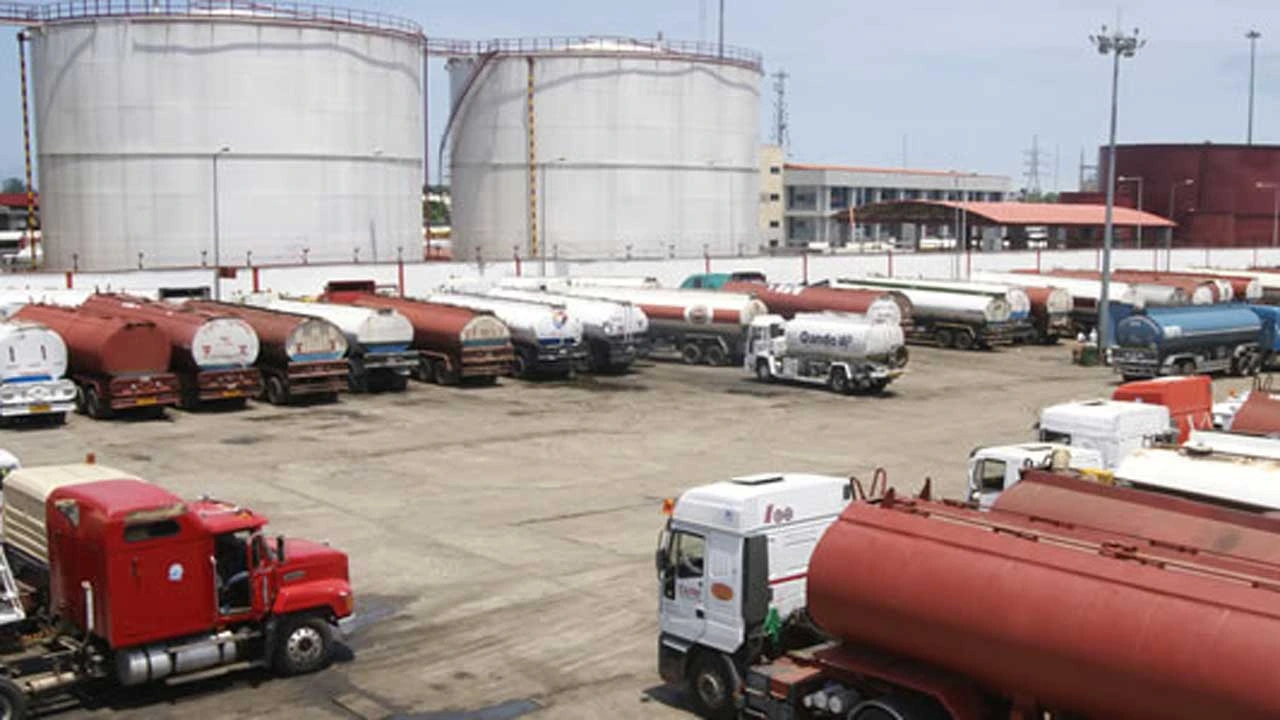
Ukadike wondered how some marketers, who still have more than 300 trucks on the road due to bad roads, will cope with a sudden N25 reduction in petrol prices after buying the products at higher prices.
Another oil marketer, Paul Akams, said the high cost of petrol affects everyone along the value chain, from marketers to transport operators and consumers.
The surge in prices pushed petrol from an average of N1,077–N1,205 in early July 2026 to an average of N1,395–N1,500 for most of September at filling stations, although retail prices have recently dropped to an average of N1,370.
The Federal Government and Nigerians have consistently advocated for immediate reductions in pump prices once global oil prices fall, while marketers say sudden price movements can leave them with products purchased at higher prices.
The issue of petrol smuggling to neighbouring countries, where the product may be cheaper, has also remained a concern in the downstream sector.
Akams said petrol smuggling has been a recurring issue because there is an incentive for marketers to move products across borders illegally whenever there is a significant price difference between Nigeria and neighbouring countries.
He said marketers should not be simply blamed, adding that the government needs effective border monitoring, accurate tracking of petroleum products and pricing policies that reduce the incentive for arbitrage.
Ukadike, however, admitted that the level of smuggling has reduced drastically compared with previous years.
On how marketers are coping with high petrol prices, Ukadike said they want the establishment of an Energy Bank or petroleum bank where they can source funds to cushion the impact of price volatility.
He said such an institution would allow independent marketers to access funds when petrol prices increase and continue their operations without severe financial pressure.
Akams said marketers are also trying to cope by improving efficiency, reducing unnecessary operating costs and carefully managing supply and inventory.
Oil marketers in March this year raised concerns that their businesses were suffering from the spike in petrol prices linked to the ongoing conflict in the Middle East.
They said they required a much larger financial outlay to purchase a truckload of petroleum products, while returns were very low and could be inadequate to cover the high interest rates on bank loans used to finance purchases.
They also said demand had dropped drastically, with some customers who previously bought 20,000 litres or 10,000 litres now purchasing about 2,000 litres or 1,000 litres.
The marketers maintained that the rising cost of petrol supply had increased the financial burden on operators, many of whom rely on bank loans to finance purchases of petroleum products.